



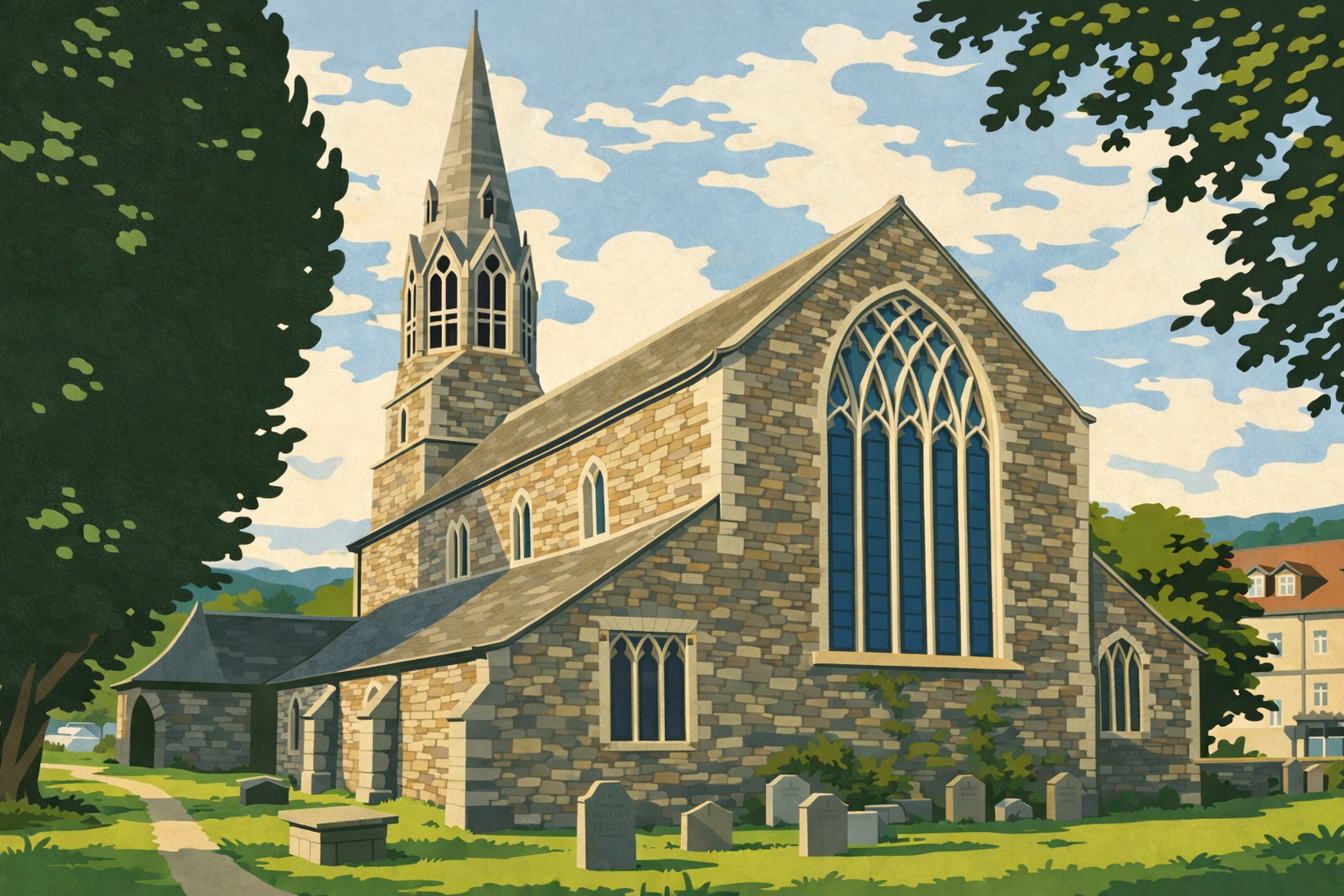








Situated at the peak of Lostwithiel’s historic market triangle, St Bartholomew’s Church rises in a town once regarded as Cornwall’s capital, close to the River Fowey and the Duchy Palace. The church’s modest design includes narrow lean-to aisles, clerestory windows, and a notable west tower crowned by a 14th-century broach spire, which was reduced in height after a lightning strike in 1757. Unlike many Cornish churches that expanded during the 15th century, this building retains the original scale from the 13th century.
Archaeological and historical finds
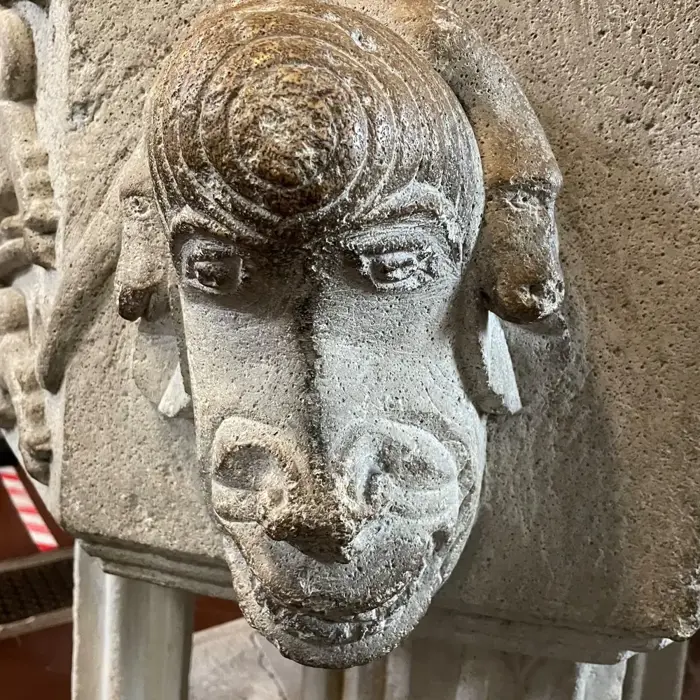
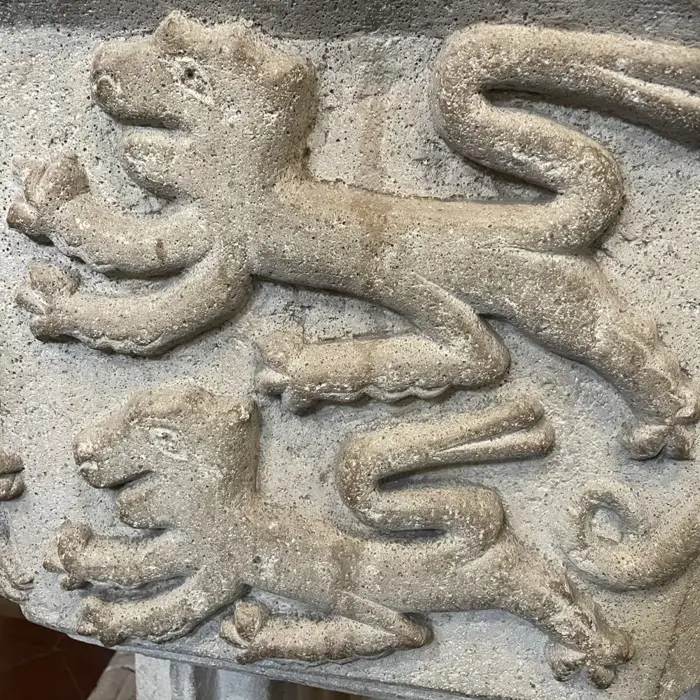
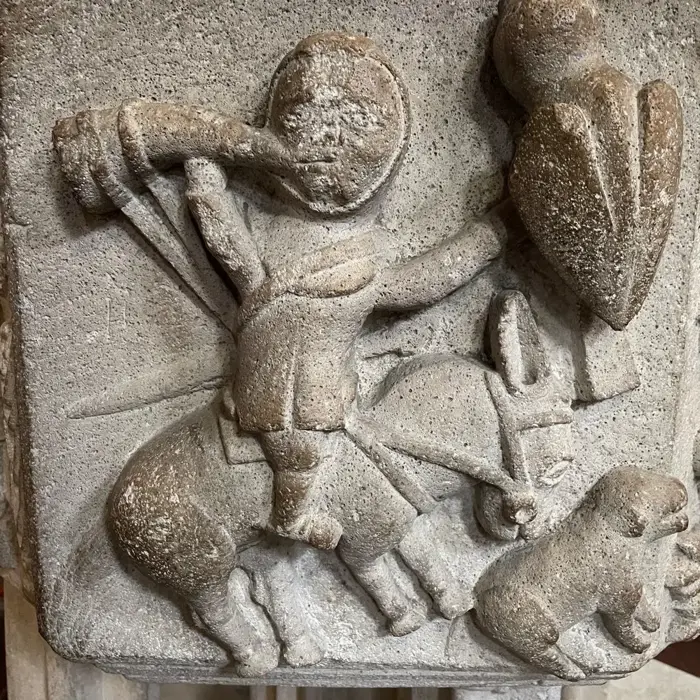
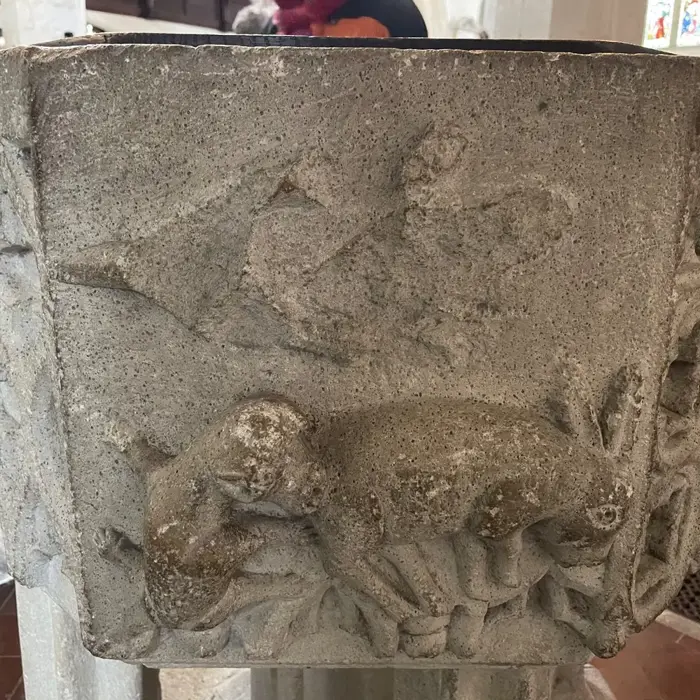
The land for St Bartholomew’s was granted in 1159, and the church was constructed during Lostwithiel’s prosperous period as a river port, reflecting the Early English Gothic style. The west tower reveals architectural elements from the 12th and 13th centuries, including small lancet windows, with the spire added in the 14th century featuring large openings and a distinctive Catherine Wheel-patterned lantern on the northwest side. Inside, octagonal pillars without capitals draw inspiration from churches in Fowey and France, and there is no chancel arch dividing the nave. Exterior sepulchral recesses might be connected to the Cardinhams, earlier lords before the Duchy’s possession. A notably unusual stone font is also present. The church’s footprint has remained untouched by later expansions. The building uses locally sourced stone rubble and is topped with slate roofing, while the spire height is now reduced.
Accessibility and visitor information
From Lostwithiel’s town center, proceed up Fore Street to the medieval market square, approximately 0.3 km from the railway station, where the church is prominently situated. The site does not have an official entrance gate or visitor center. The terrain is flat and paved, with no noticeable steps or slopes, making it accessible for visitors of all abilities.[3][4][6] Entry is free; visitors are asked to maintain quiet respect during services.