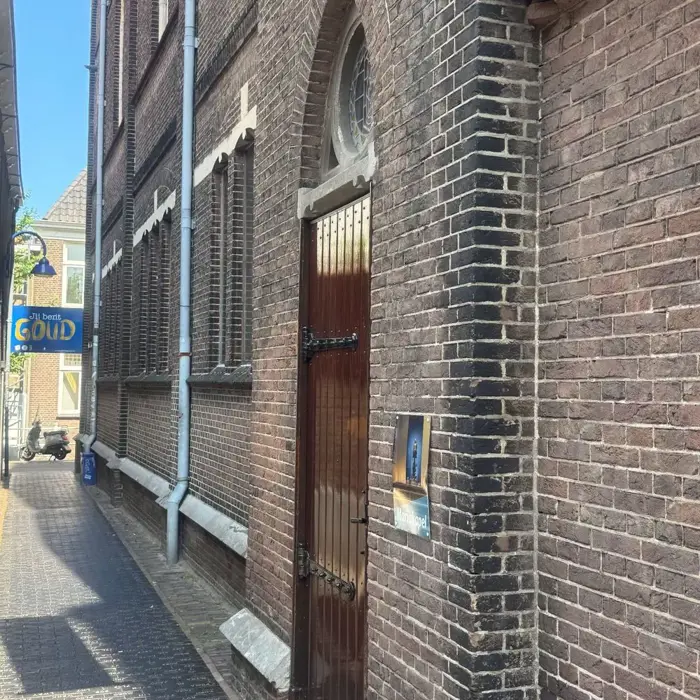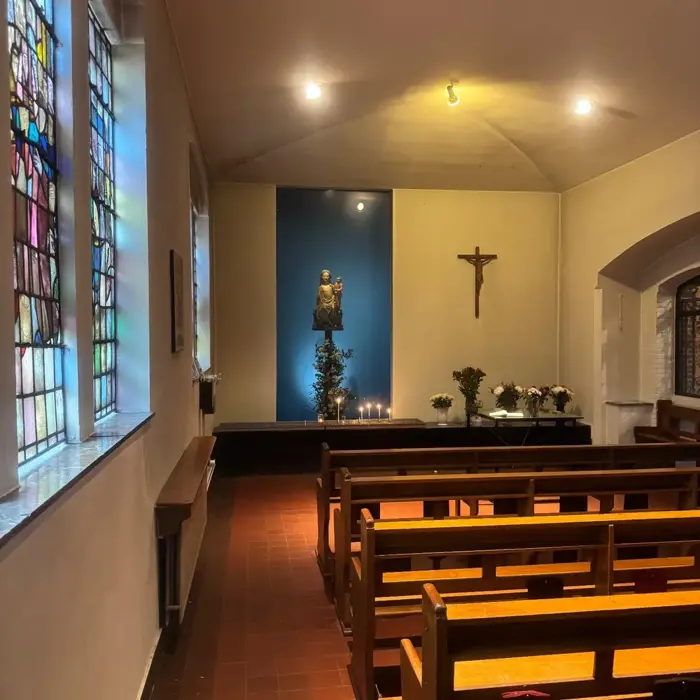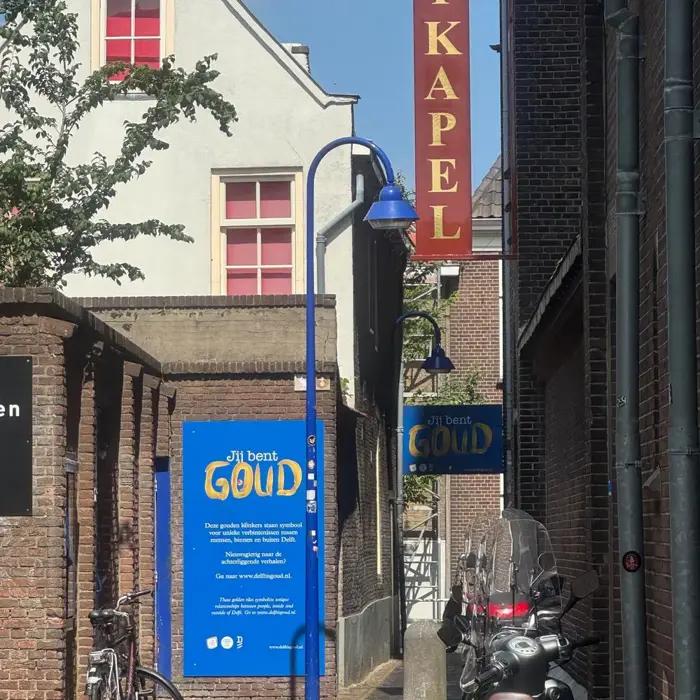




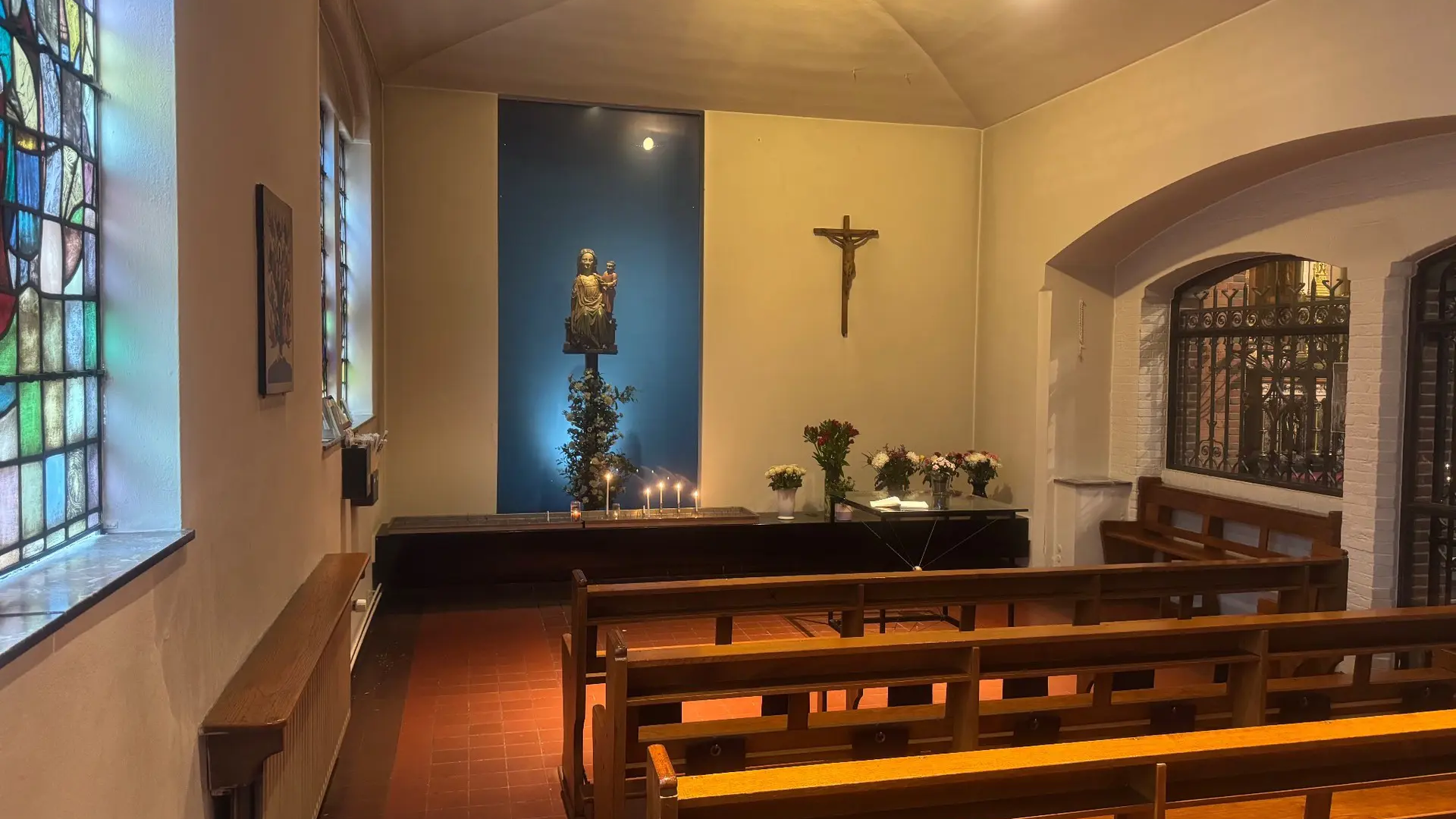








This Roman Catholic chapel is situated on Jozefstraat, adjacent to the larger Maria van Jesse Church near Delft’s central market square (Markt). The main church, distinguished by its Gothic Revival style with graceful vertical lines and intricate stone detailing, was designed by Everard Margry, a respected pupil of Pierre Cuypers, and constructed between 1875 and 1882. The chapel shares design features with the main church and serves as an intimate space for prayer and smaller services, providing a calm atmosphere separate from the larger church building.
Archaeological and Historical Findings
The chapel and its neighboring church were built in the 19th century, employing traditional Gothic Revival architectural methods. The main church, originally known as St Joseph's Church, was constructed to replace a modest shelter church at the western side of the present complex. Margry’s design includes a cruciform layout with three aisles and vaulted ceilings, utilizing the brick and stone characteristic of that era. Inside, elements such as a pulpit made by Jos Tonnaer in 1903 and an altarpiece painted by Anthony van Lijsendijck in 1905 contribute to the site’s rich ecclesiastical tradition. Since 1982, the entire complex has been protected as a national heritage site in the Netherlands, maintaining much of its original interior and architectural integrity.
Accessibility and Visitor Information
Visitors can enter Kapel Maria van Jesse via a separate entrance on Jozefstraat. The site is easily accessible on foot from Delft’s Markt and central areas, involving a brief walk along paved streets with only mild inclines. The route and facilities are suitable for visitors with mobility considerations. Access to the chapel is free.