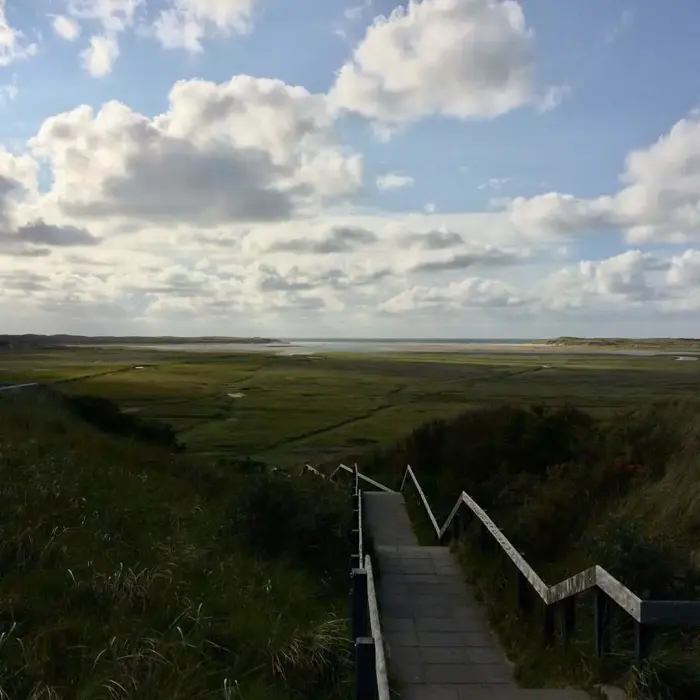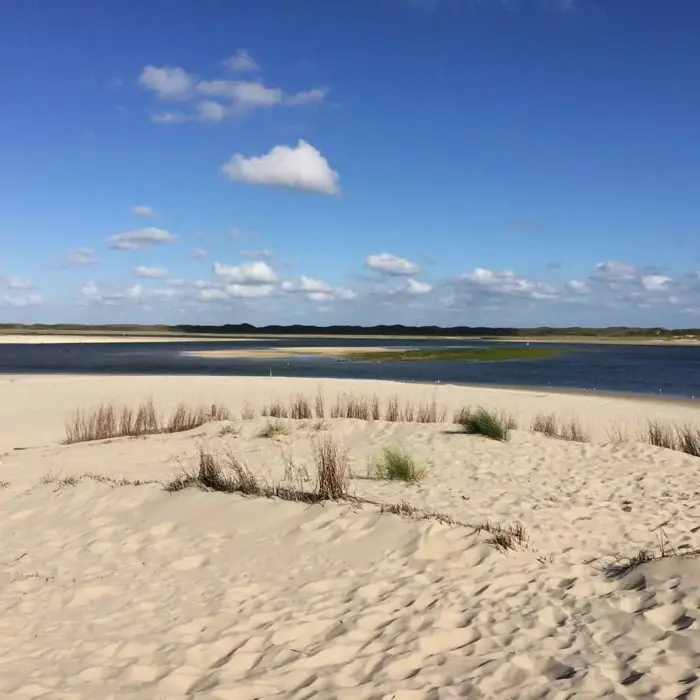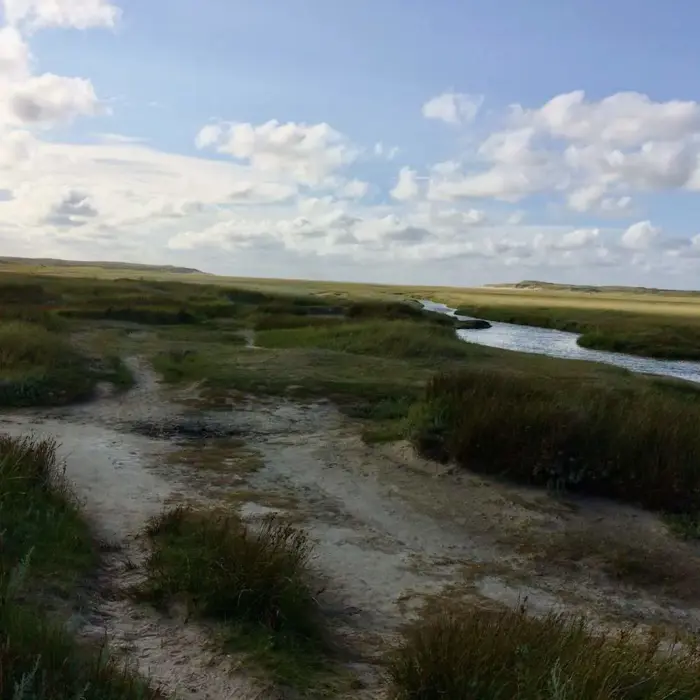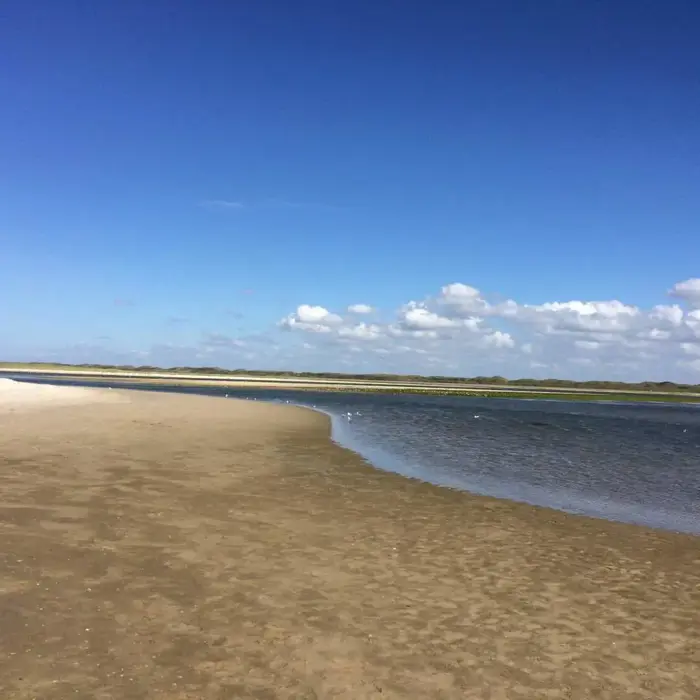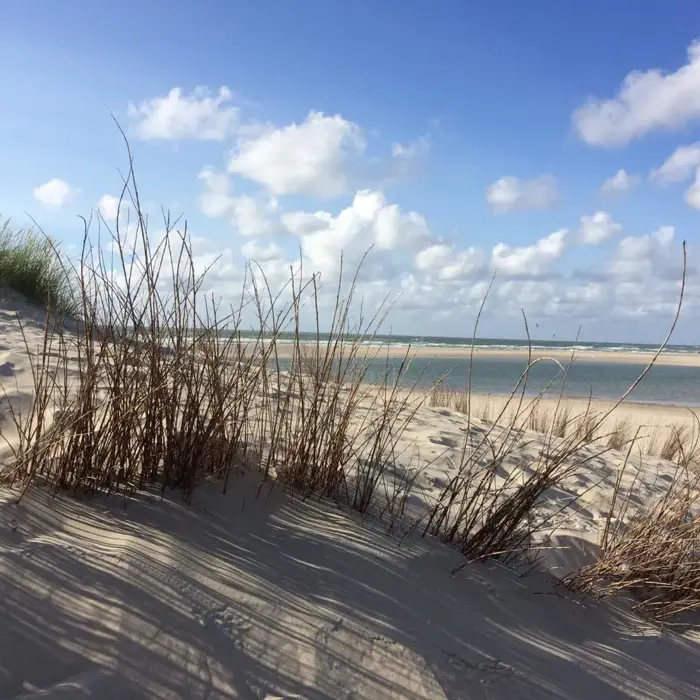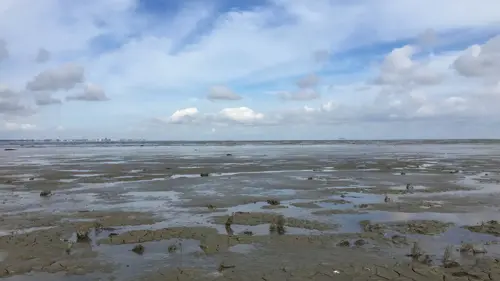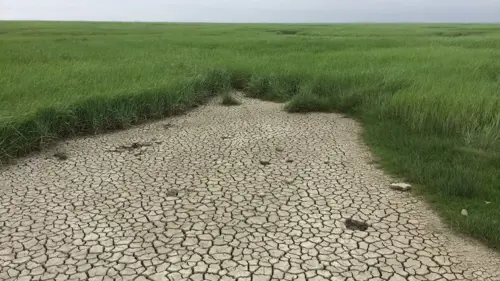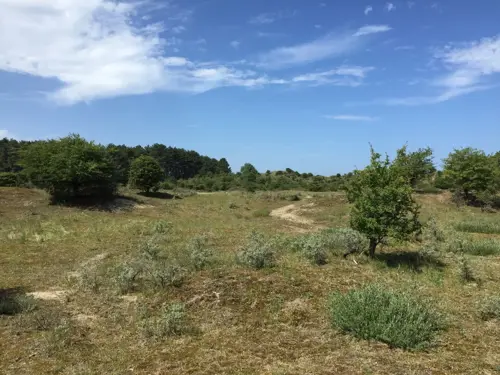




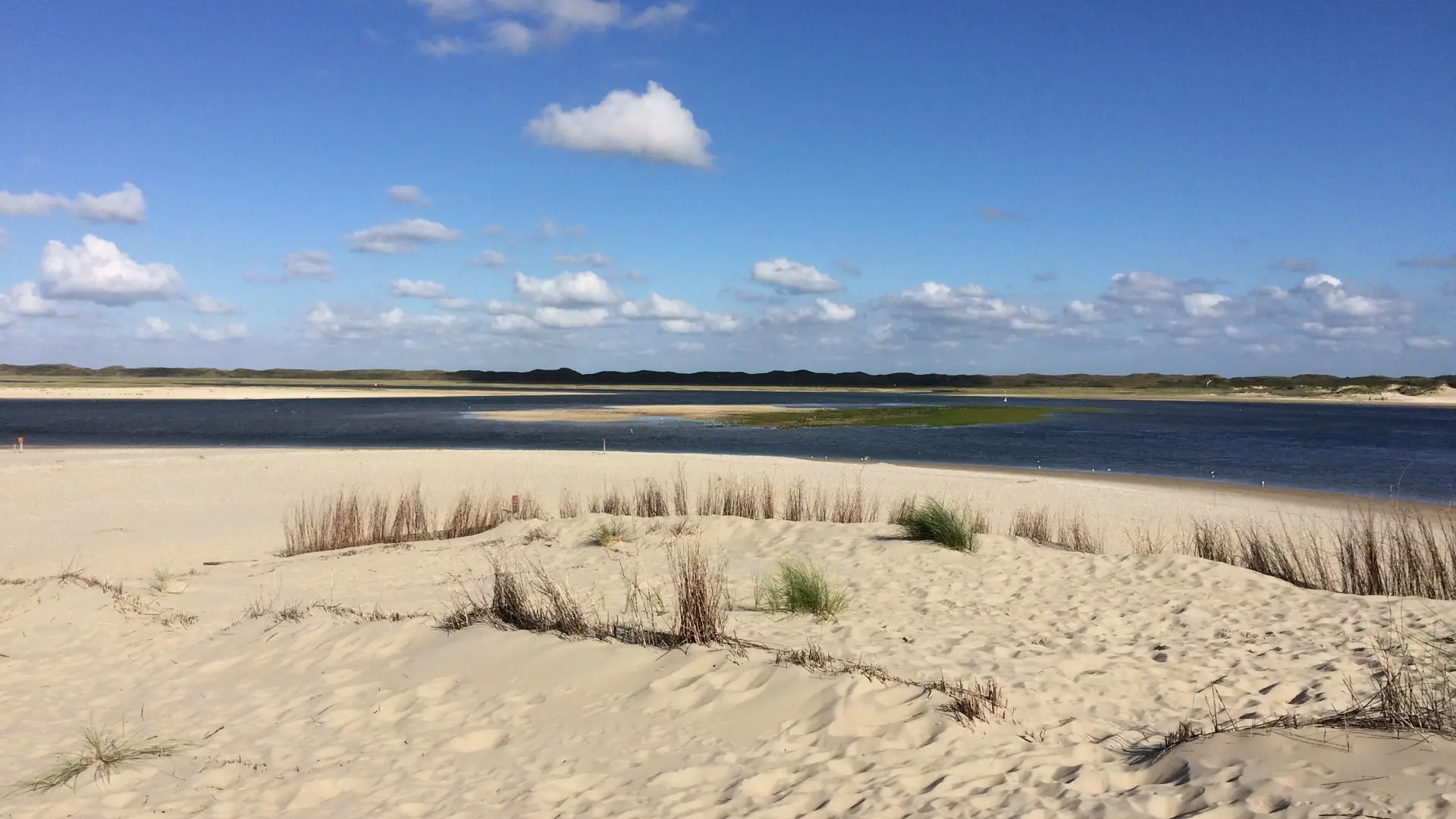








Recognized as the most renowned natural area on Texel, De Slufter is a wide salt marsh plain located between two sand dikes, with an open connection to the North Sea. Seawater freely floods in at high tide, particularly during northwesterly storms and spring tides. The area includes creeks, muddy channels, and flat marshlands covered with salt-tolerant plants like sea lavender and salicornia, which give the landscape a purple tint in summer and a reddish hue in autumn. This marsh lies between the Muy and the Eierlandse Dunes. Most of De Slufter is closed to visitors to safeguard nesting birds such as eider ducks and skylarks, but the southern section is accessible for walking and partially equipped for wheelchair users.
Archaeological and Historical Findings
De Slufter’s main importance lies in its natural heritage rather than archaeological discoveries. Geologists have uncovered fossil seashells in the local plains dating back to the Eemian Stage, approximately 120,000 to 130,000 years ago, underscoring the long-standing relationship between current and ancient coastal environments. Over recent decades, human efforts have redirected shifting dune creeks to protect the delicate surrounding dunes, reflecting an ongoing interaction between people and this dynamic landscape.
Accessibility and Visitor Information
From the official entrance on De Slufter’s southern side, visitors follow a flat gravel path of around 250 meters leading to the main viewing stairs. Climbing these stone steps on the Zanddijk provides a panoramic view over the valley. Beyond the viewpoint, sandy and occasionally muddy trails wind through the salt marsh. The accessible southern zone accommodates sturdy strollers and wheelchairs, though much of the remaining land can be soft, uneven, or waterlogged after rain or high tide. There are no significant inclines beyond the stairs, but walkers should be prepared for muddy patches and shifting sands typical of tidal marshland. Entry to De Slufter is free of charge.