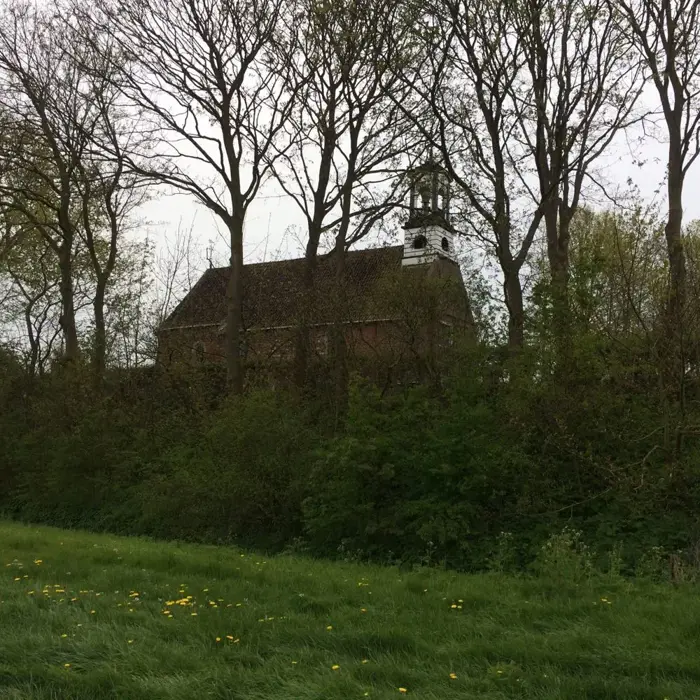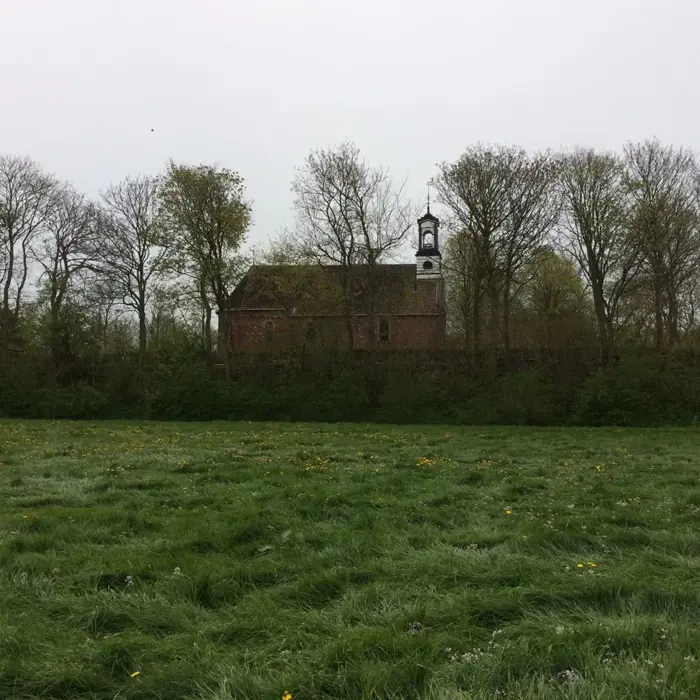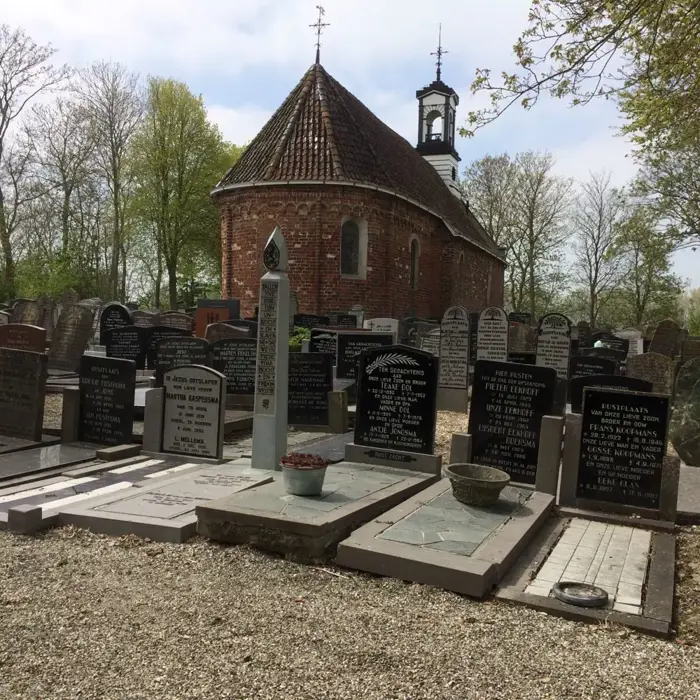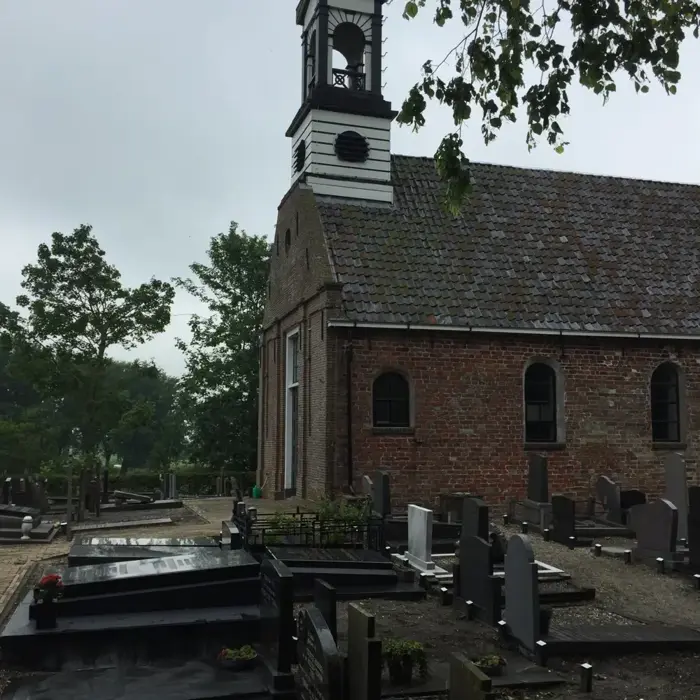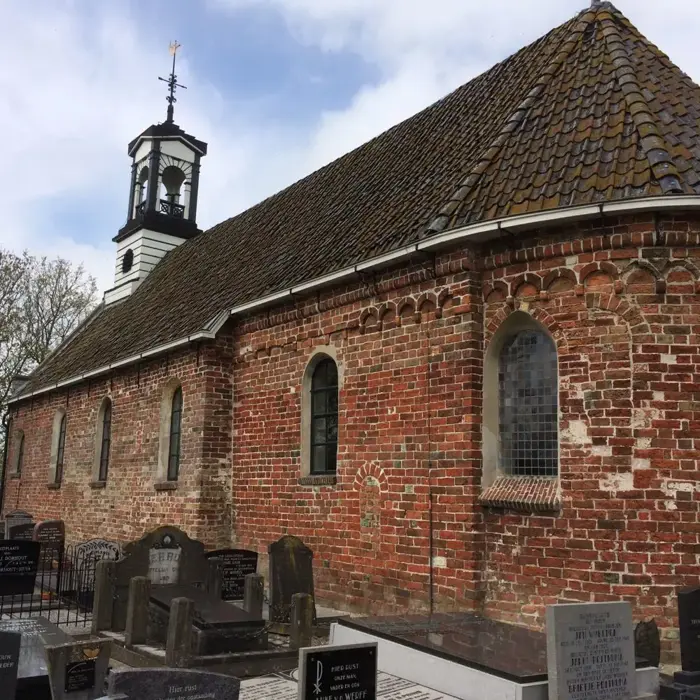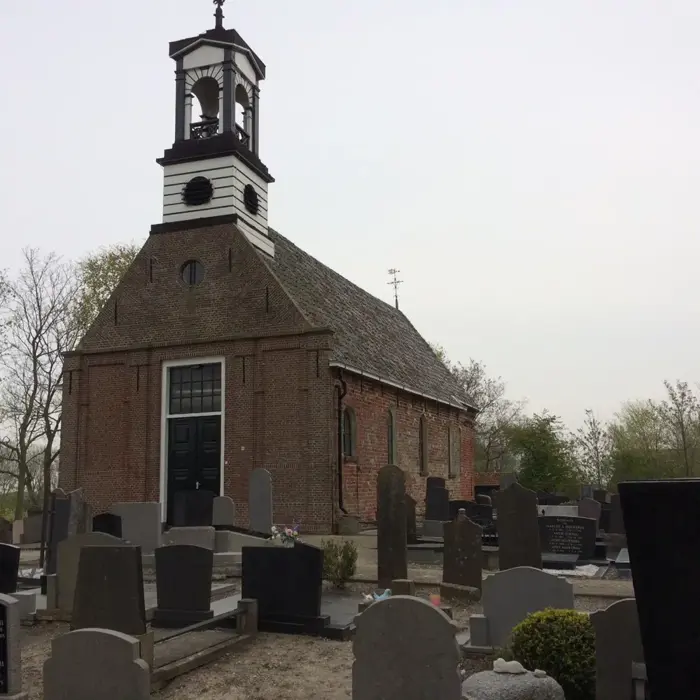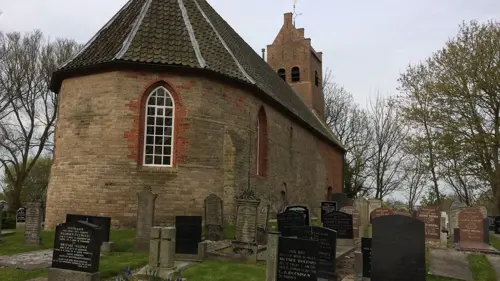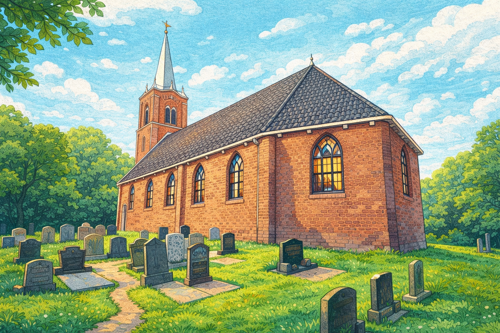




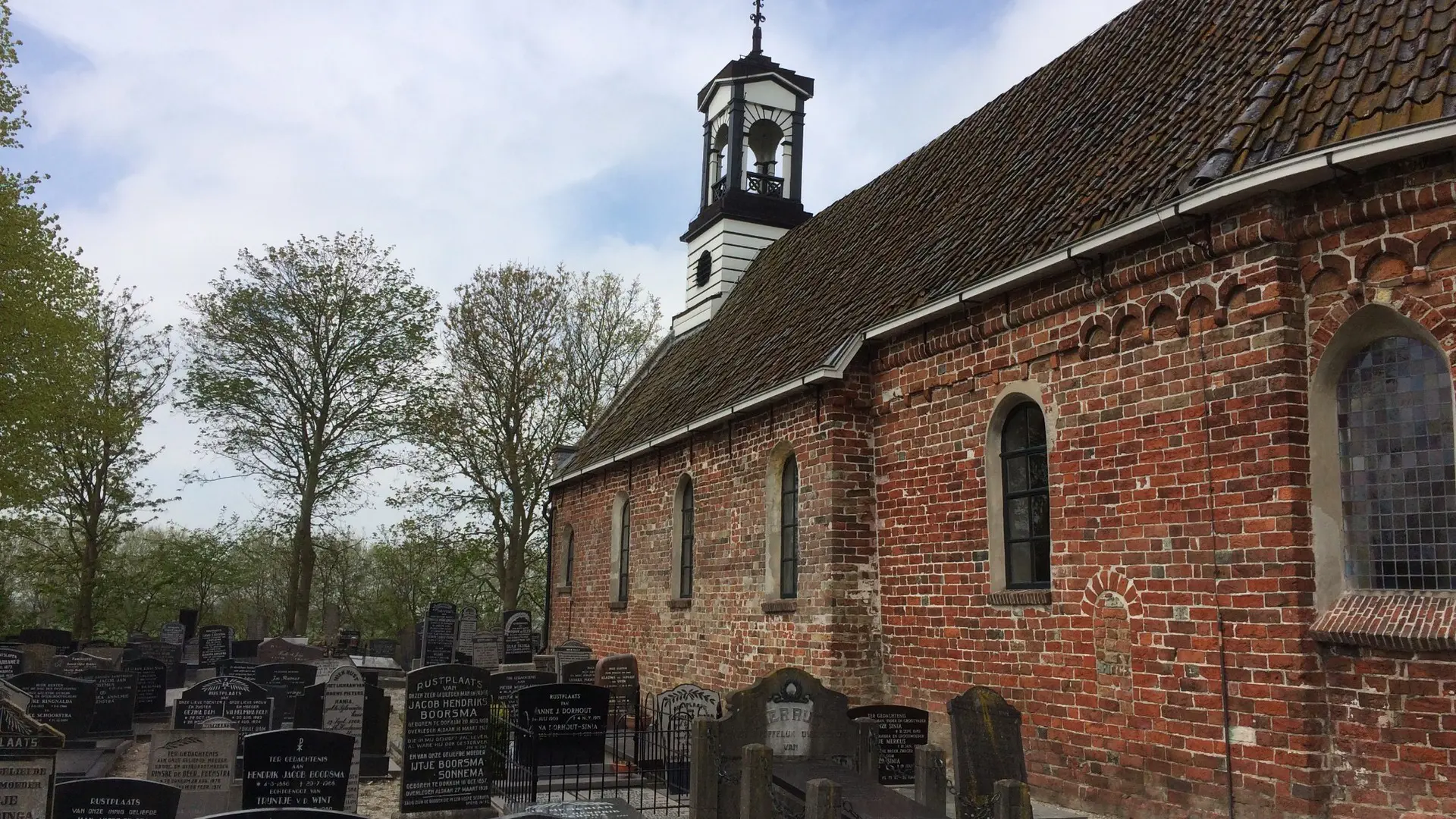








The church is a Romanesque structure featuring a single nave, built predominantly from large red bricks characteristic of medieval Frisian religious buildings. It rests on a partially excavated artificial mound (terp) within the village of Aalsum. The main construction dates back to the early 13th century, with later extensions and alterations occurring across several centuries. The building maintains a simple rectangular layout with a wooden tower on the west side topped by a bell turret, and its interior walls are whitewashed. Elevated slightly above the surrounding fields, the church’s position reflects its historical role as a spiritual and community center. Visitors interested in further exploration might also consider nearby Dokkum, which is home to several medieval churches and offers additional context on the region’s past.
Archaeological and Historical Findings
Archaeological research suggests Kerk van Aalsum was established in the early 13th century, likely coinciding with the spread of Christianity and organization of parishes in rural Friesland. The nave is constructed from large bricks known locally as kloostermoppen, while the choir on the eastern end was added mid-13th century. Around the year 1500, the nave was extended westward. The original stone tower was demolished in 1843 and replaced with a wooden bell turret. The church was originally dedicated to Saint Catherine of Alexandria, a common patron in medieval Frisian churches. Inside, visitors will find a pipe organ dating from 1906 and a historic cast bell dating back to 1499. Restoration efforts in the 19th century included the installation of new windows and alterations to the west façade. The building is officially listed as a Rijksmonument, recognizing its architectural and historical importance.
Accessibility and Visitor Information
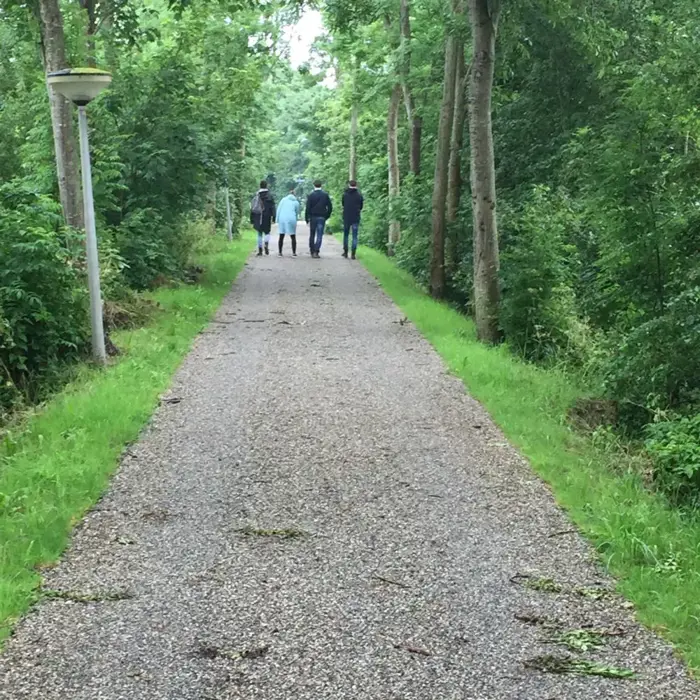
The church is accessible on foot via a gravel path from the village entrance, with a walking distance of under 50 meters to the main entrance. While the path includes gentle slopes due to the terp’s elevation, it remains mostly even; however, those with mobility challenges should be aware of potentially uneven surfaces near the entrance. The church is free to visit.