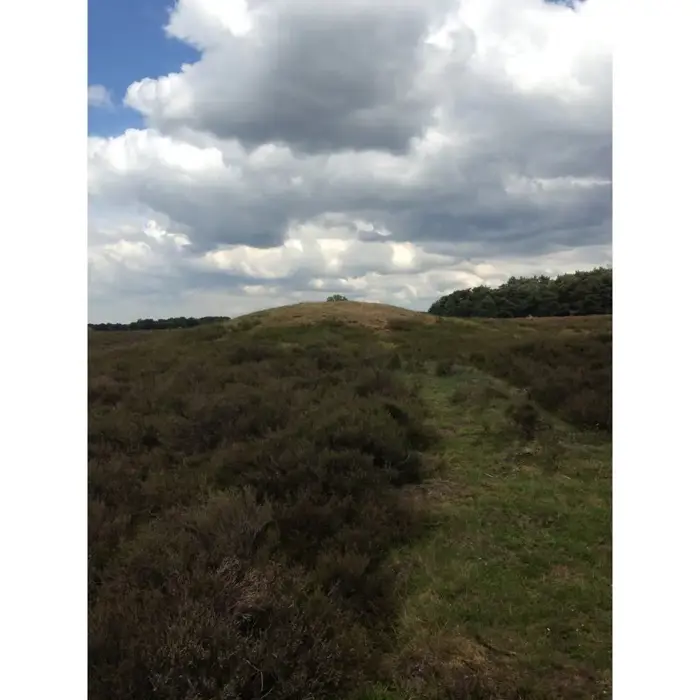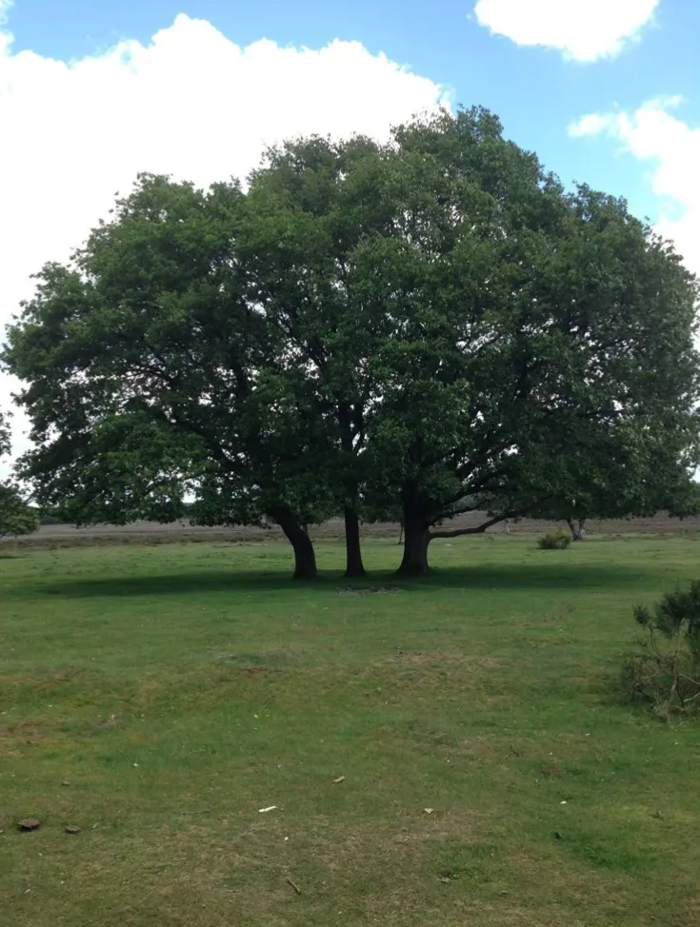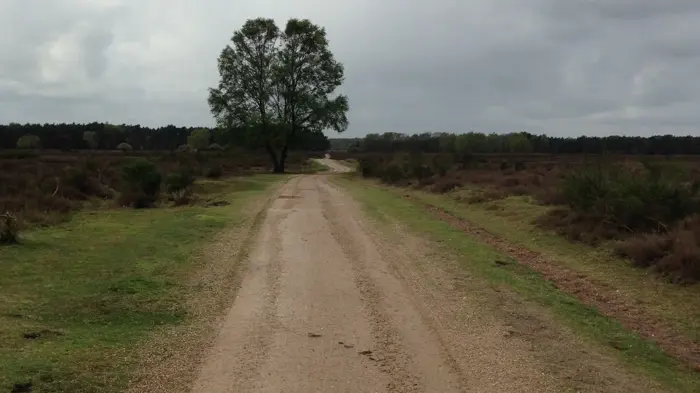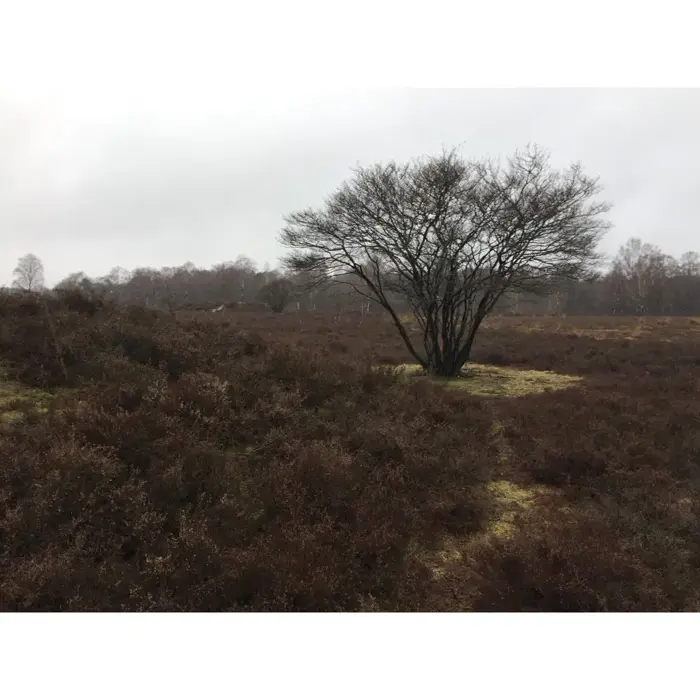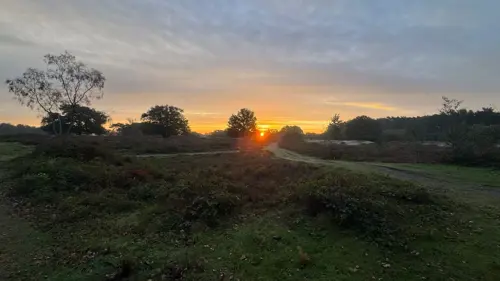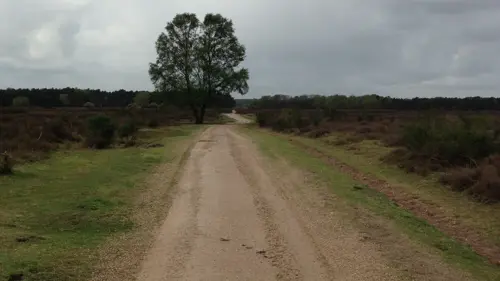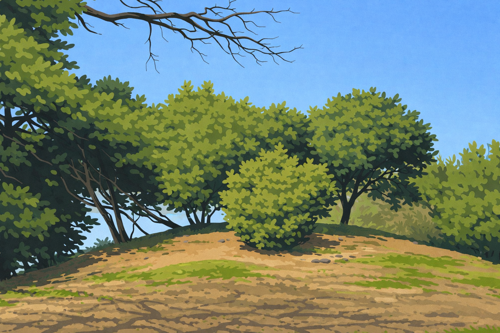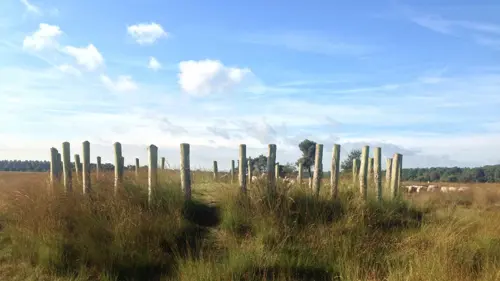




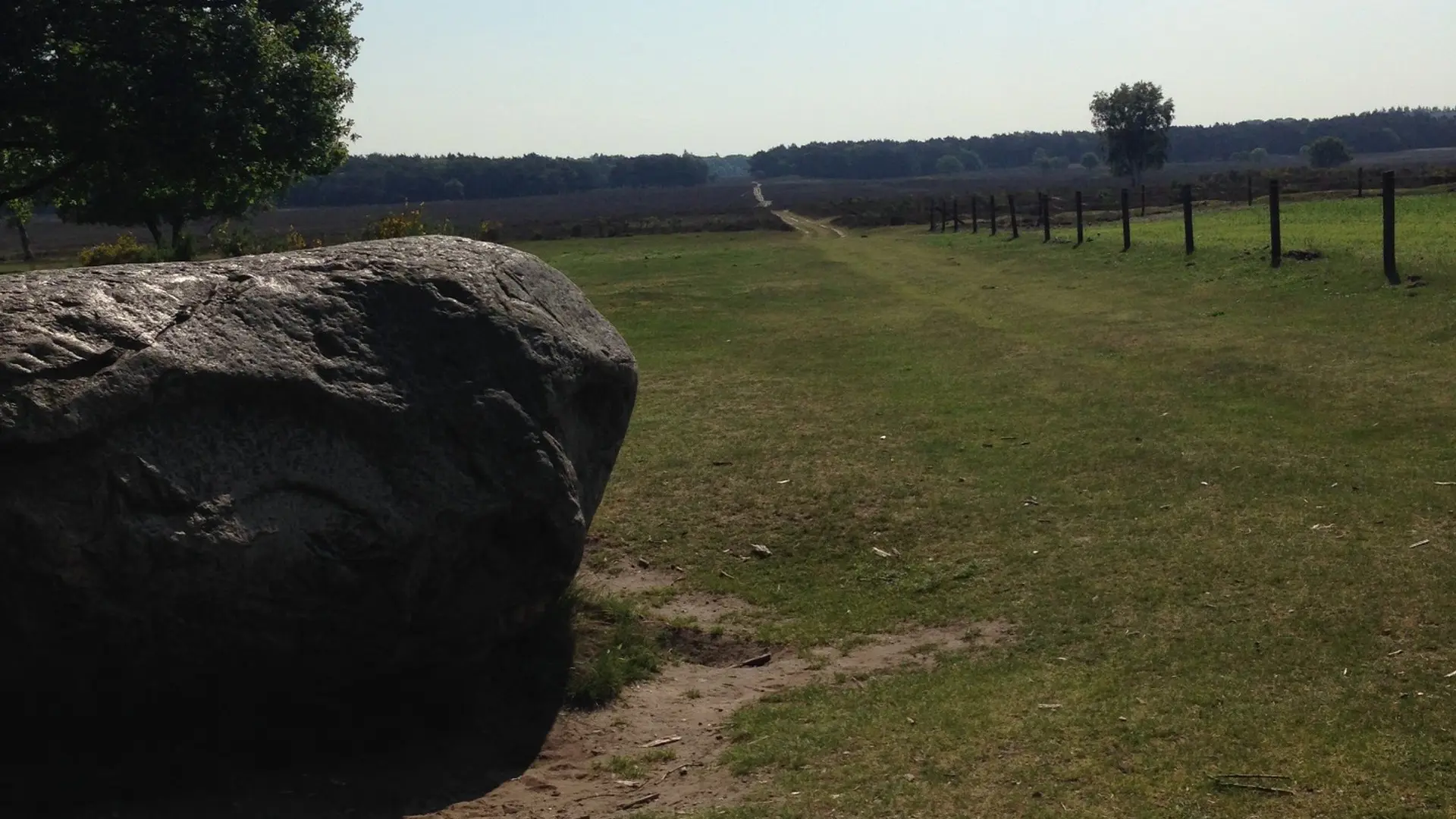







Located within the broad heathlands bordered by the villages of Laren, Bussum, and Hilversum, the Grafheuvels Westerheide consist of a group of prehistoric burial mounds. These earthen mounds blend subtly into the natural terrain, their grassy contours outlined by expansive heather fields and intermittent trees. The Westerheide area is part of the Goois Natuurreservaat, a protected nature reserve noted for its scenic landscapes and visible archaeological remains. Comparable burial mounds appear throughout the surrounding heath, contributing to a larger archaeological network in the region.
Archaeological and Historical Findings
Research conducted by Dutch heritage organizations and archaeologists has established that the burial mounds on both Zuiderheide and Westerheide date from the Late Neolithic through to the Iron Age (approximately 2000-500 BCE). Certain graves are specifically linked to the Early Iron Age period, around 800-500 BCE. Excavations of similar mounds in the locality have uncovered features such as timber post circles, sand-filled tumuli, and grave items like a footed beaker and a copper dagger. Studies of plant remains and soil chemistry suggest the immediate vicinity was not heavily farmed, implying the mounds were likely used for ceremonial or burial purposes. In the 15th or 16th centuries, some nearby earthworks (though not the burial mounds themselves) were reinforced, perhaps for defensive measures or livestock management, but the original prehistoric character of the mounds remains intact.