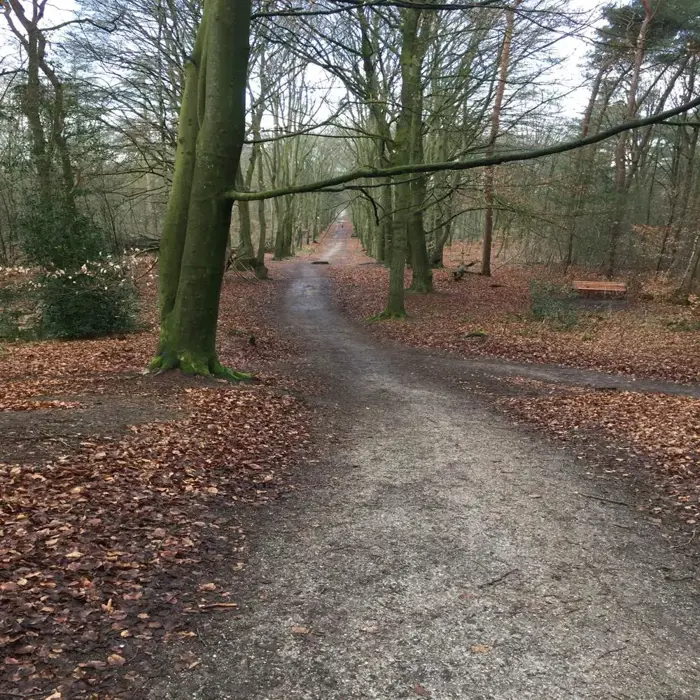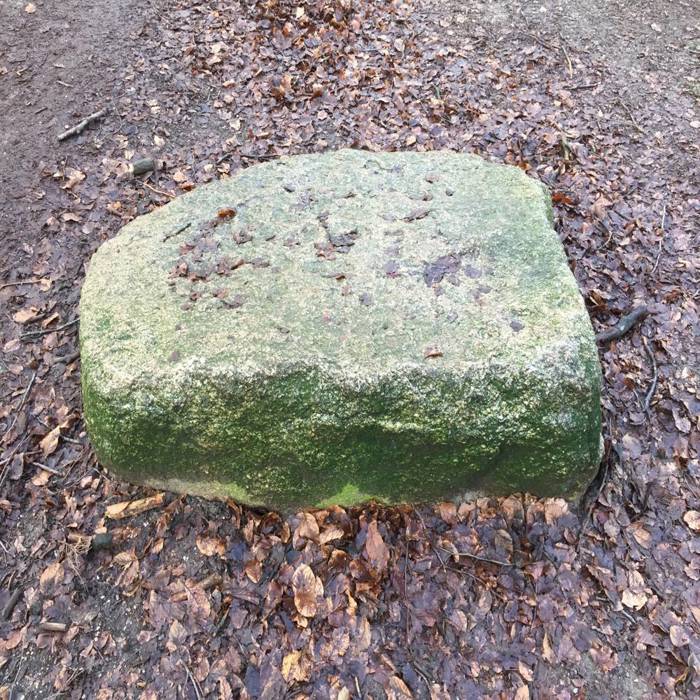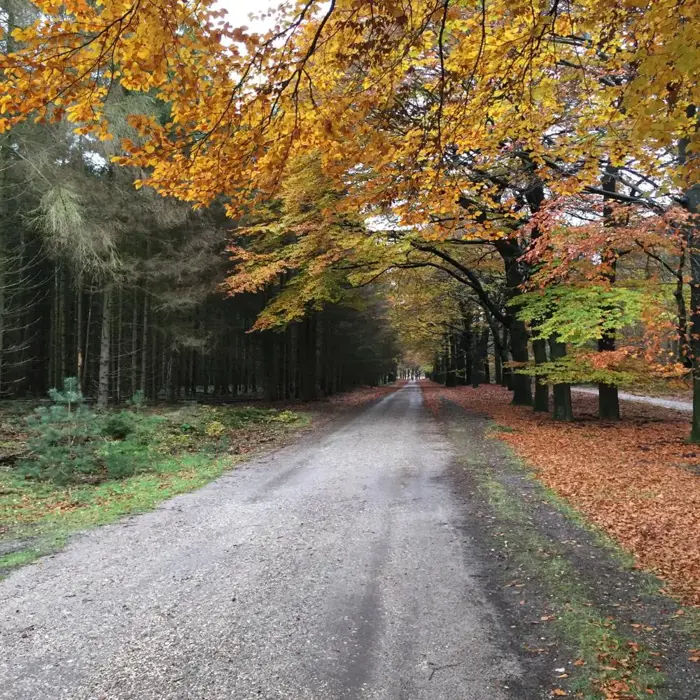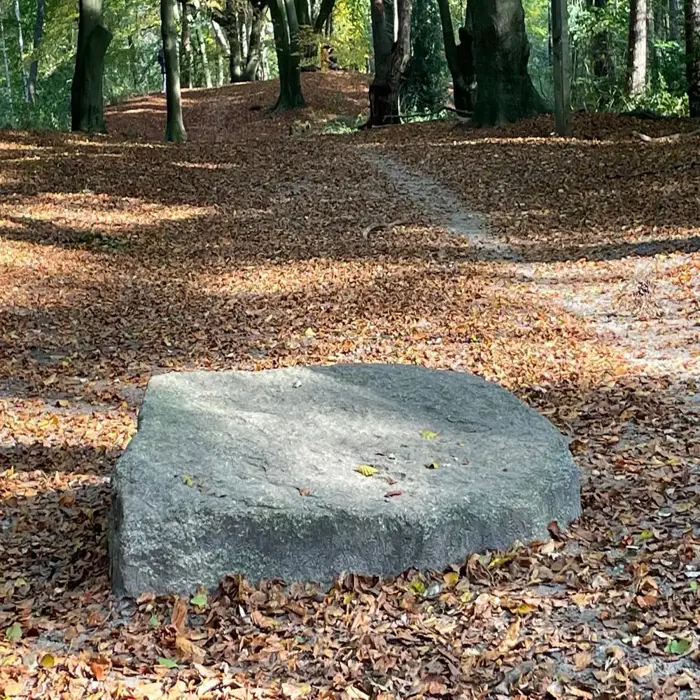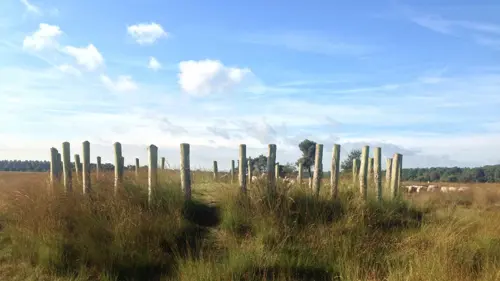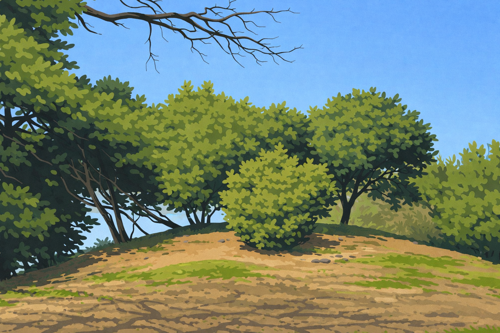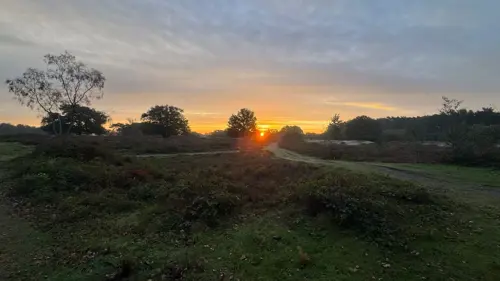




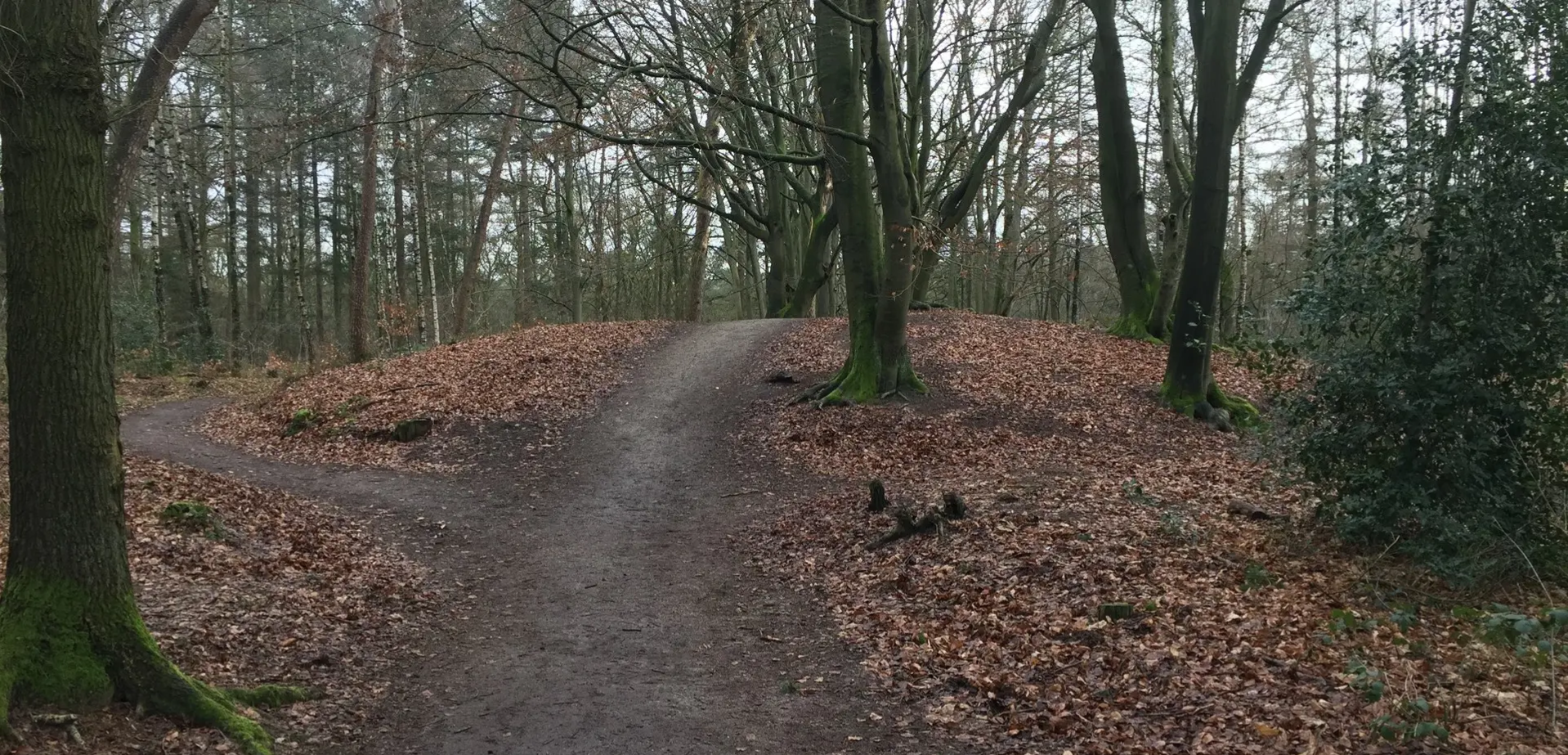








Grafheuvel Doolhoflaan is a prehistoric burial mound, known locally as a “grafheuvel,” located within the forested region of Gelderland in the eastern Netherlands. The site blends naturally into a landscape characterized by mature trees, softly inclined trails, and the dappled light of the forest canopy. This area features several similar prehistoric mounds and archaeological sites, highlighting its rich cultural heritage.
Archaeological and Historical Findings
Research and excavations date Grafheuvel Doolhoflaan to the Bronze Age, roughly between 2000 and 800 BCE. Like other burial mounds from this period found in eastern Netherlands, it was constructed using local sandy soil and turf, occasionally reinforced with wooden or stone elements to maintain its structure. These mounds served as funerary markers for important members of prehistoric communities. Comparable sites in the region have yielded artifacts such as pottery shards, tools, and sometimes cremated remains, although not all mounds undergo extensive excavation in order to preserve their archaeological integrity. There is no indication that this particular mound was significantly altered or reused in subsequent historical eras.
Accessibility and Visitor Information
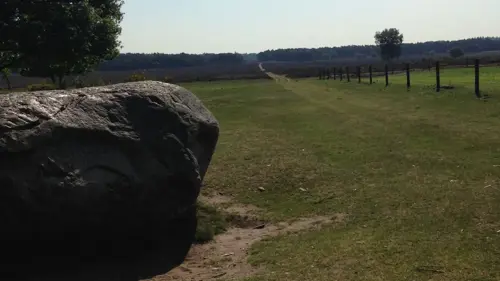
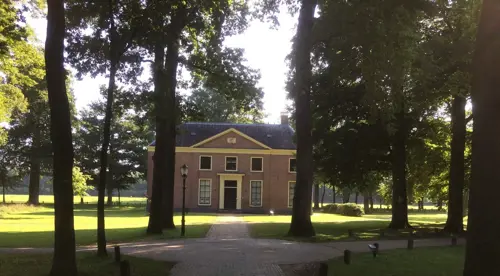
Located on Landgoed Kernhem in Ede, Grafheuvel Doolhoflaan is accessible via the Doolhoflaan walking trail, a historic tree-lined path ending at the burial mound. The site is about 250 meters from the main path and can be reached on foot by a mostly flat, unpaved forest trail. There is no entry fee, and visitors are advised to wear sturdy shoes due to the natural terrain. No formal visitor facilities exist on site, but benches are available nearby for rest.