











The Sijsjesberg is located on the moraine of Het Gooi, which was pushed up during the penultimate ice age (the Saalian, approximately 150,000 years ago) by land ice that pushed sand, gravel and loam from river deposits in front of it. In the subsequent Weichselian ice age, wind and erosion further flattened the surface, creating the characteristic gentle shapes of the current forest and heathland landscape. The origin of the so-called table mountains in Het Gooi — flattened hilltops such as the Tafelberg near Blaricum — is not entirely clear. Geologists generally regard them as natural remnants of the moraine, which acquired their flat tops through erosion and human use, while some historians suggest that parts of them have been artificially flattened or raised.
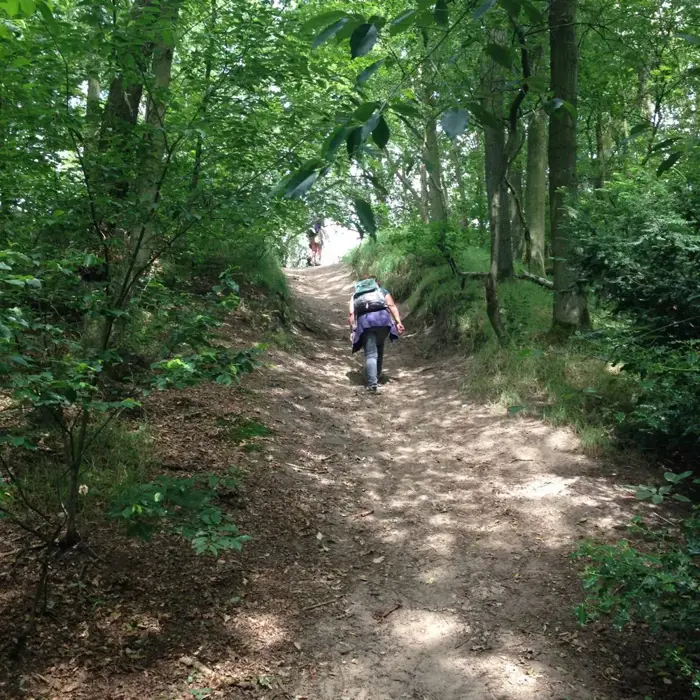
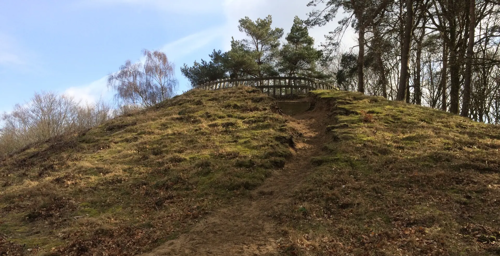
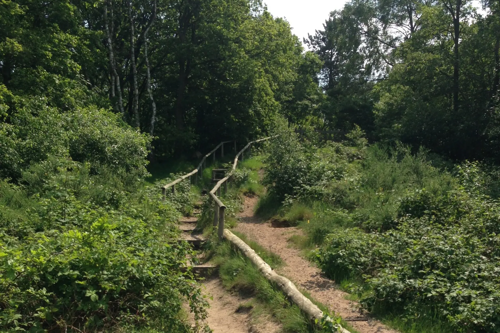
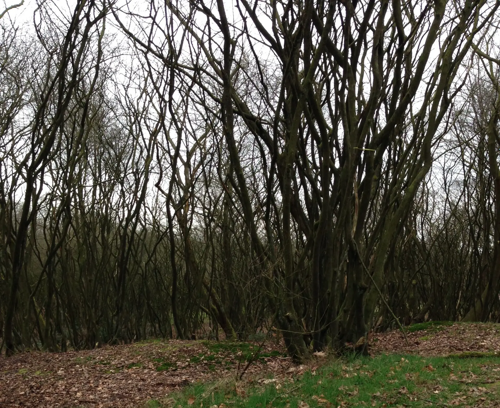
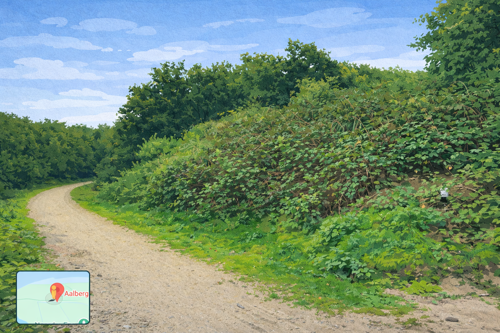
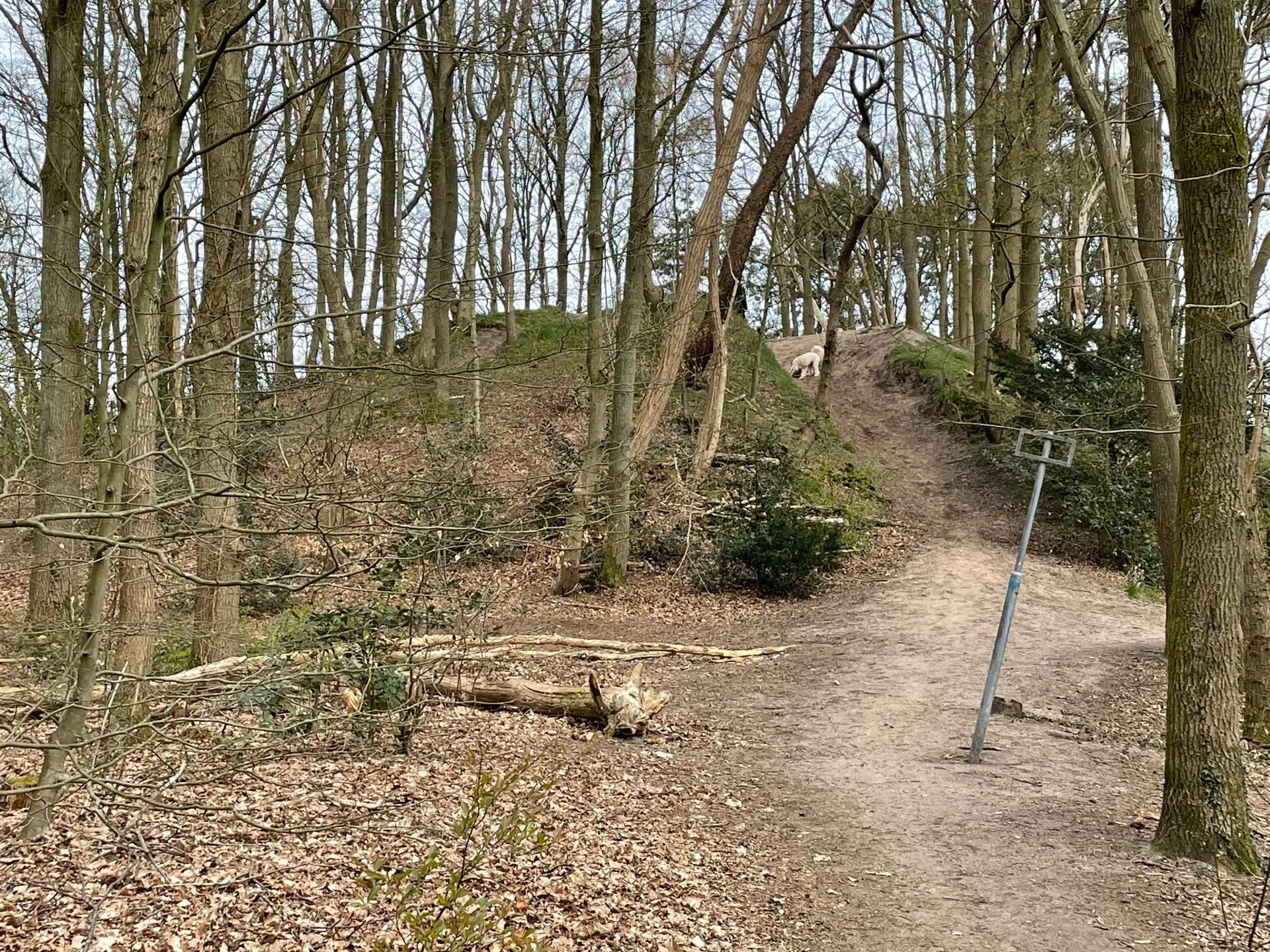
The Sijsjesberg rises slowly behind the municipal swimming pool in Huizen, with slopes covered in forest and heathland, typical of the landscape of the Gooi. Surrounding the hill are open heathlands interspersed with young birch and oak trees and sandy paths. As one of the local “table mountains”, the Sijsjesberg offers views of the surrounding landscape through the trees. Although the hill is mainly natural in character, it is located near remarkable archaeological sites, such as the Bronze Age burial mounds in Bussumerheide and the Vuurse Steeg.
Archaeological and Historical Findings
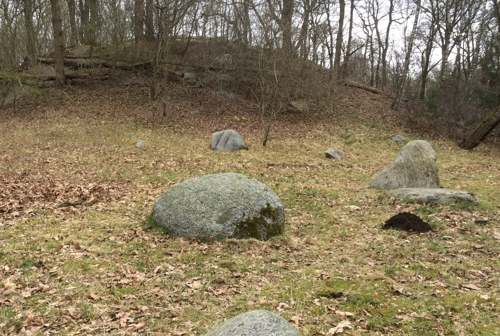
Sijsjesberg lies within the historic Niftarlake/Nardinclant landscape, known to have been inhabited since the early Middle Ages. Although no major standing monuments have been found on Sijsjesberg itself, nearby locations have produced significant archaeological discoveries. These include a late Bronze Age urnfield near Hilversum dated roughly between 1200 and 700 BCE, as well as Viking-period metal artifacts and coin hoards found near Bikbergen. The surrounding region held political importance during the early medieval period and was connected to local noble families. However, there is no definitive evidence directly linking the hill to the Wursingen family or the medieval county of Hamaland. Additionally, while hilltop forts are known in the wider region, there is no clear documentation that Sijsjesberg functioned as a fortification, boundary marker, or lookout post.
Accessibility and Visitor Information
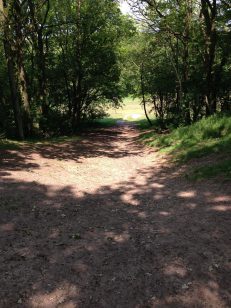
Visitors can access Sijsjesberg via a designated footpath located behind the municipal swimming pool (Zwembad Sijsjesberg). The hike from the parking area near the pool entrance to the hilltop is about 250 meters. The terrain mainly consists of gently sloping woodland and heath with sandy, somewhat uneven paths but no steep inclines or major obstacles. The area is free accessible generally suitable for visitors with normal mobility; however, wheelchair access may be limited on some sections due to sandy and loose gravel surfaces.