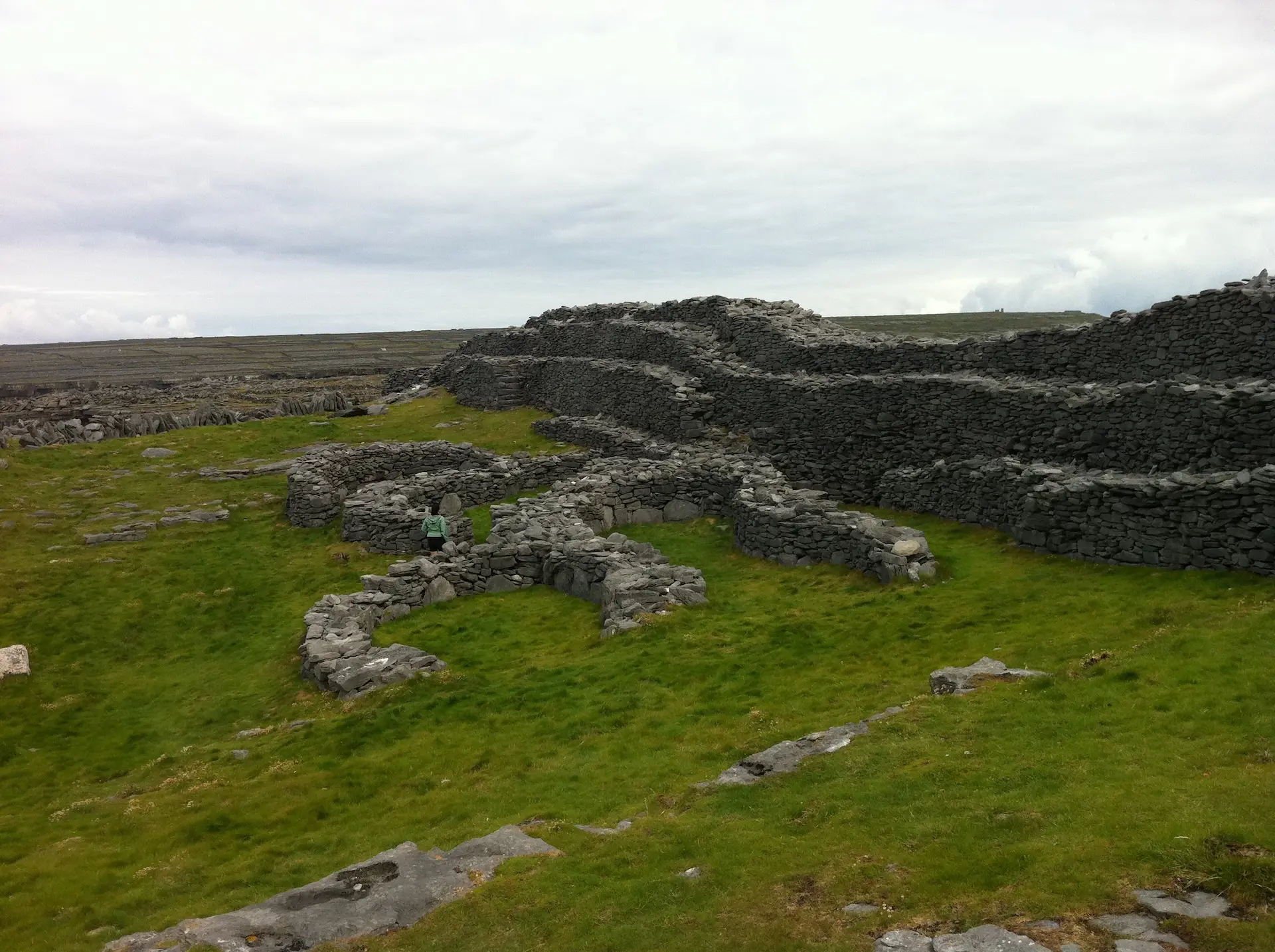
Dún Dúchathair rises in dark stone above crashing waves, wilder and quieter than its famous neighbour.
Follow the rocky path and uncover a fortress shaped by sea, wind and time.
Late Bronze Age / Iron Age, c. 1500–500 BCE (approx. 2,500–3,500 years old)
Ruin
The accessibility of this location is good (green) or somewhat limited (red)
Is the location still in good condition, or has it deteriorated due to the passage of time.
Is the location very atmospheric (red), neutral (orange), or rather raw and cold (green).
View map
Switch between map view and image view to choose how you want to explore the locations.
2
Dún Dúchathair (Black Fort)
The Black Fort, known in Irish as Dún Dúchathair, stands dramatically on a rocky promontory along the southern cliffs of Inis Mór in the Aran Islands. Built from dark limestone that gives the site its name, the fort forms a curved enclosure facing the Atlantic Ocean. Its thick dry-stone walls rise from a rugged karst landscape of exposed rock and low vegetation. Compared to the nearby and more visited Dún Aonghasa, the Black Fort feels more isolated, with fewer visitors and uninterrupted views of the sea. Inside the enclosure, low stone remains hint at possible former dwellings, while the surrounding cliffs emphasize both its defensive strength and vulnerability to erosion.
Continue reading — for members
Archaeological and historical findings
Accessibility and visitor information
Area guides
Read the full story of Dún Dúchathair (Black Fort)
Get access to the full story, practical information and deeper experiences.
Discover all exclusive locations and in-depth content from Gofinestera.
Church of Our Lady
Onze-Lieve-Vrouwe Kerk blends Romanesque origins, Gothic grandeur, and vivid medieval murals beneath its rebuilt sandstone tower.
Wander inside, trace centuries in stone and color, and discover Sint-Truiden from a new perspective.
The Hurler Stone Circles
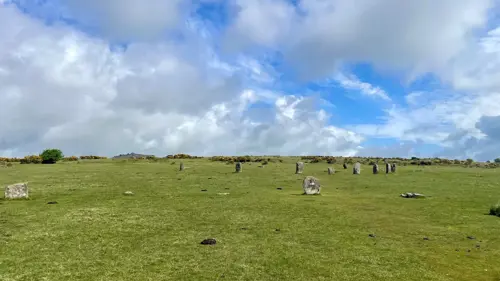
Three ancient stone circles stand where legend says men once played on a Sunday and were turned to stone. Wander the wide moorland, count the stones (if you can!), and feel the echo of a Bronze Age crowd beneath the Cornish sky.
Hill of Tara
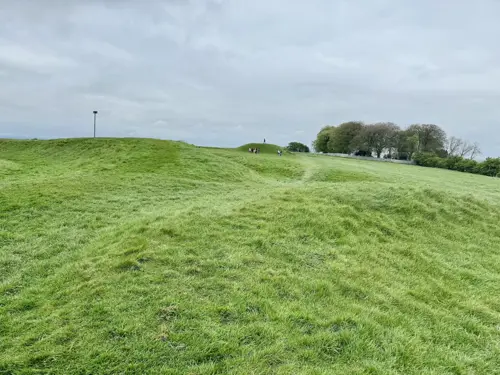
The Hill of Tara weaves together Neolithic tombs, vast ceremonial earthworks, and the legendary Stone of Destiny.
Walk the ridge, trace ancient boundaries, and feel the power of this iconic landscape.
Burial mounds De Regte Heide
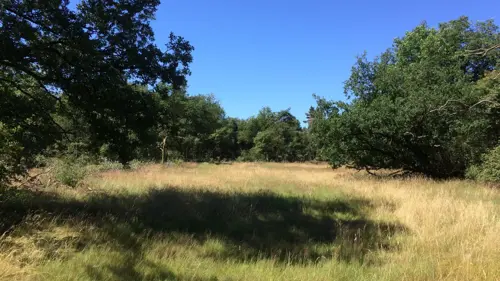
The Regte Heide mixes open heathland, forest paths, and 3,000-year-old landmarks.
Perfect for curious walkers and weekend explorers!
Woodhenge
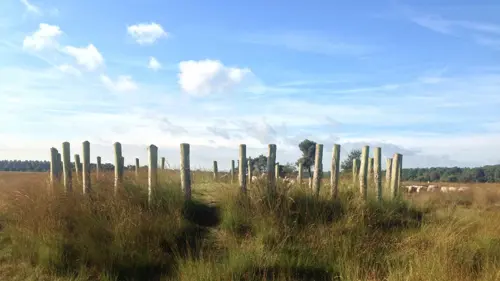
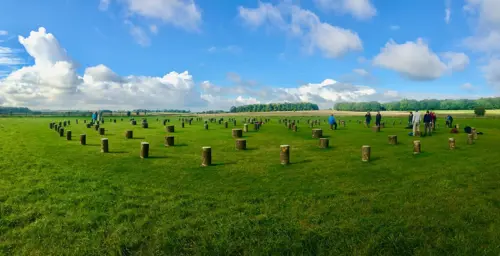
Six rings of ancient posts trace a solstice-aligned circle in open Wiltshire fields.
Step inside the rings and start connecting the ancient dots.
Isterberg
At Isterberg, exposed sandstone cliffs meet woodland and farmland, shaped by geology and centuries of use.
Walk the ridge, climb the tower and enjoy the wide cross-border views.
Kernhem House and Estate
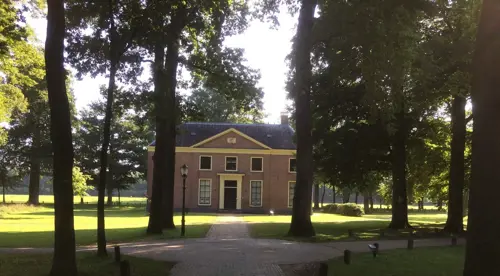
The estate’s grand halls and wooded paths invite both art lovers and nature walkers alike.
Follow the trails, enjoy the gardens and escape from everyday life.
The Luttenberg
Luttenberg’s soft hills lead to forests, open meadows, and local crafts worth stopping for.
Come for the view. Stay for the charm!
House of Viviane (Hotié de Viviane)
The Hôtié de Viviane is a rare Neolithic burial chest on the Rauco heath, high above the Val sans Retour.
Take the forest trail and explore this unusual prehistoric landmark!
Le Val sans Retour
Red schist cliffs, forest trails and Arthurian landmarks bring geology and folklore together in one extraordinary valley.
Take the trail and uncover Brocéliande’s most famous stories!