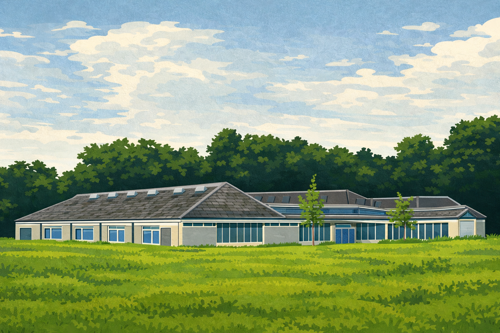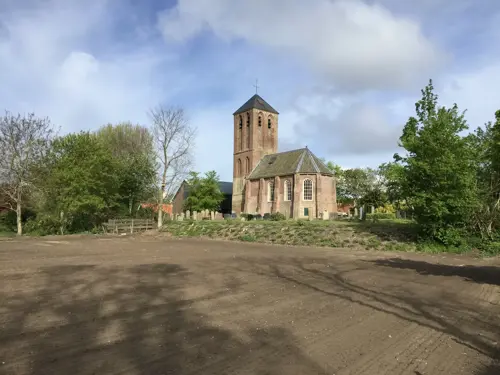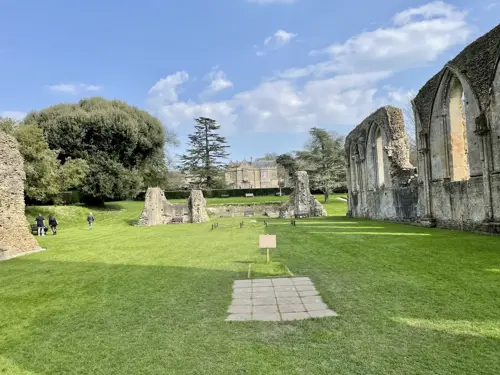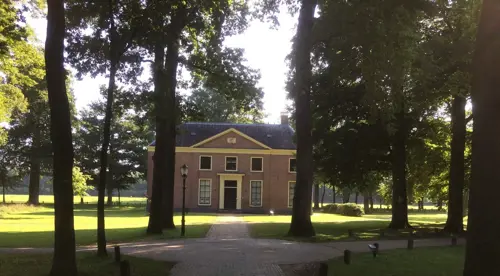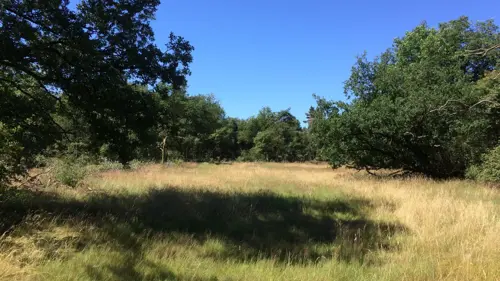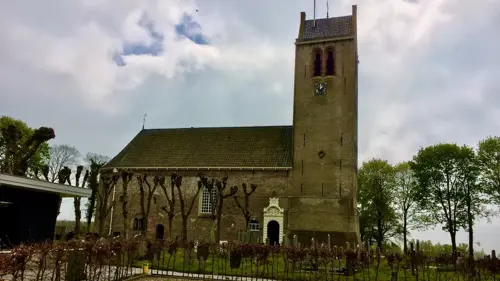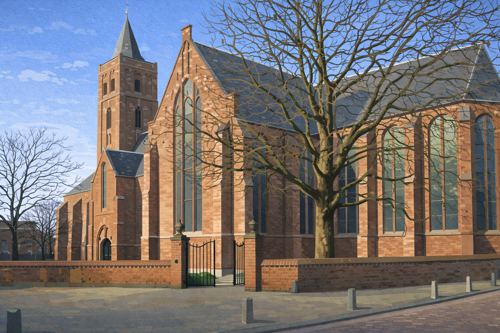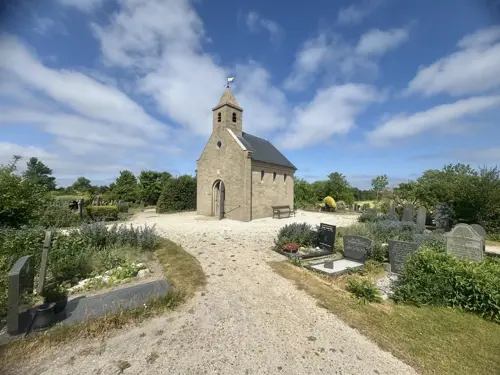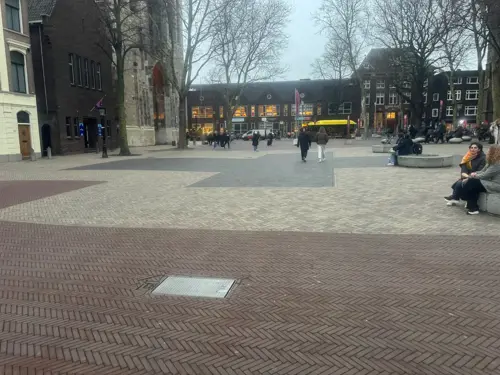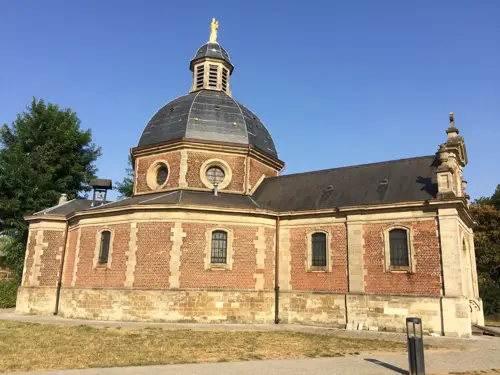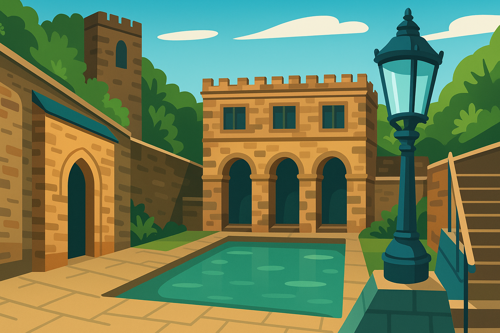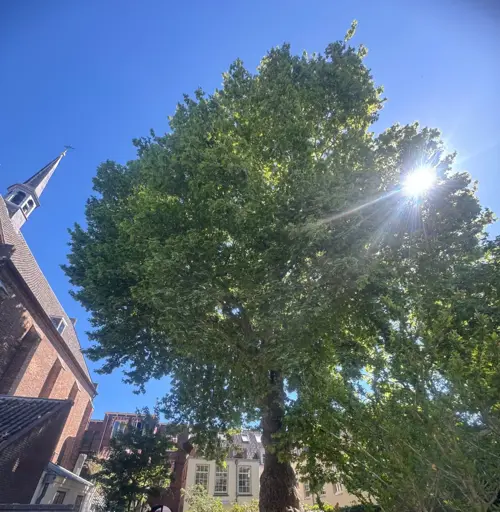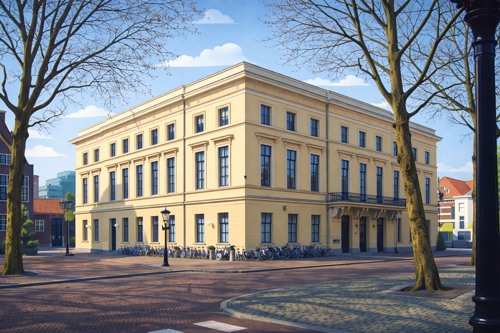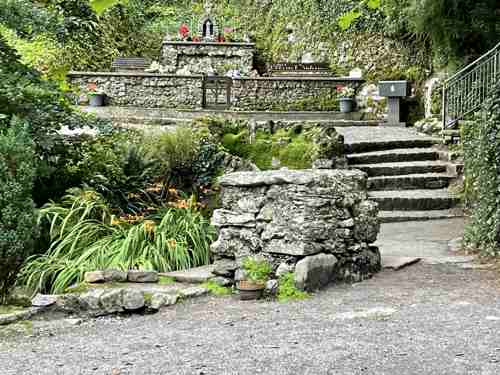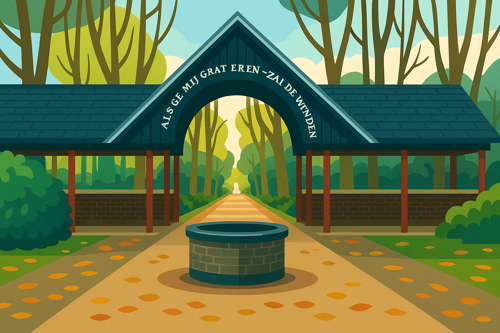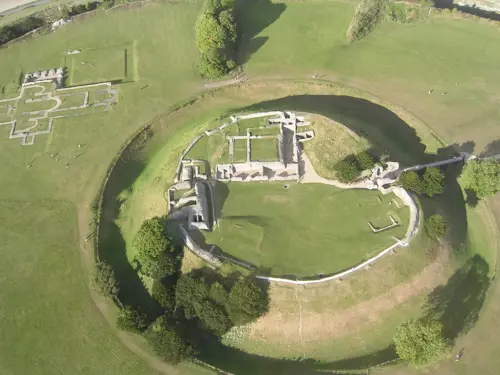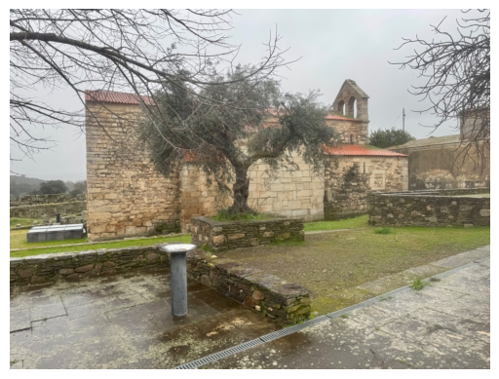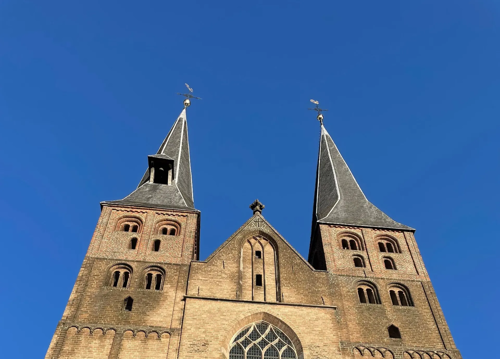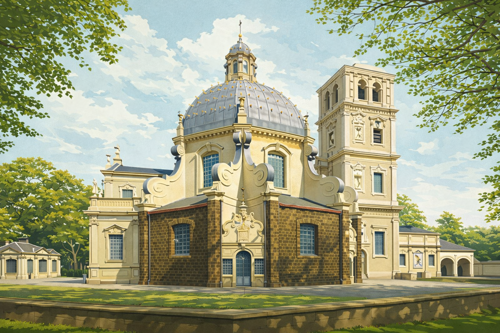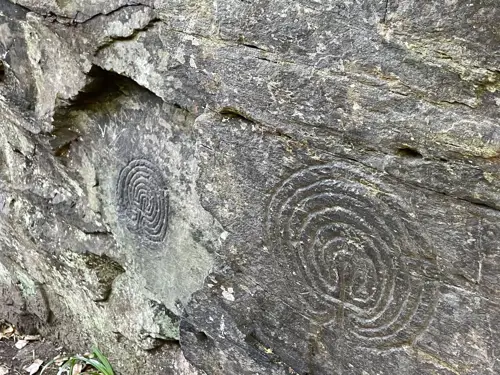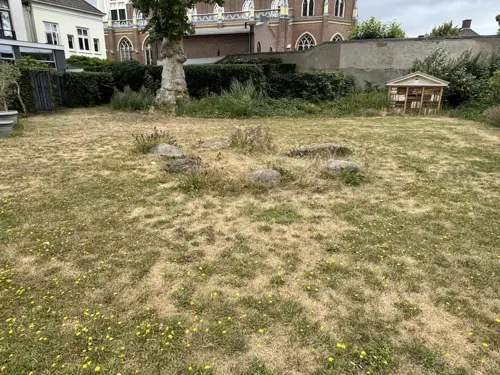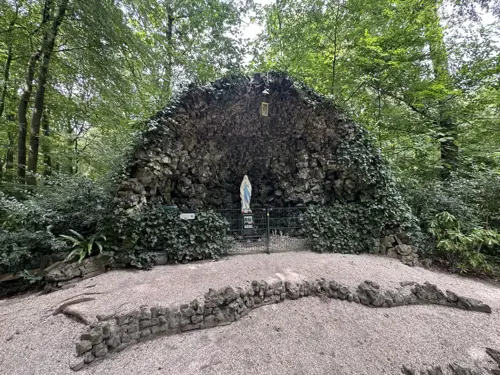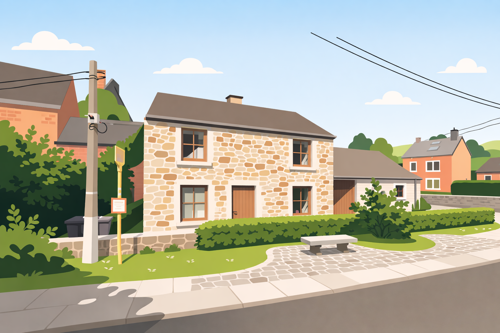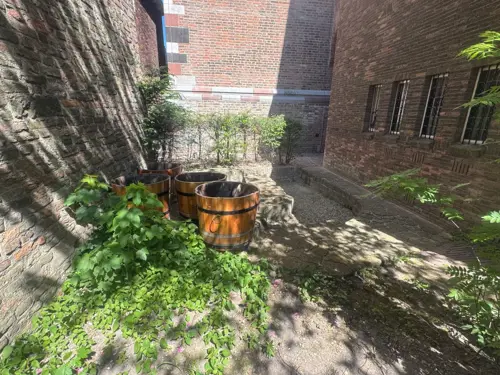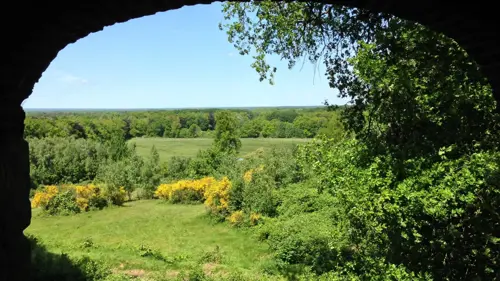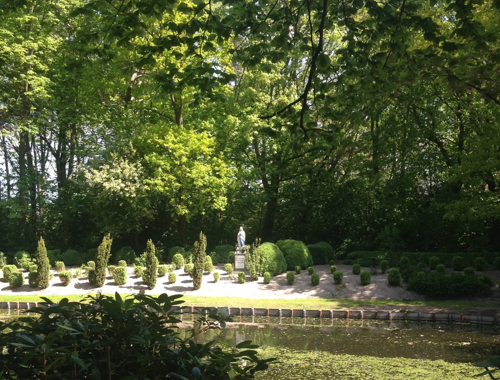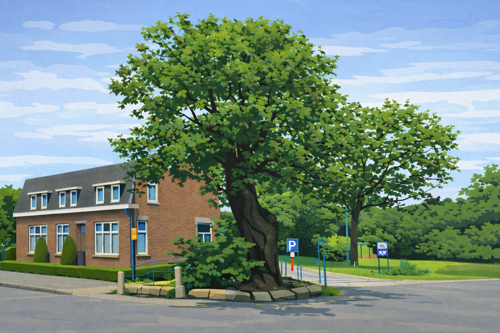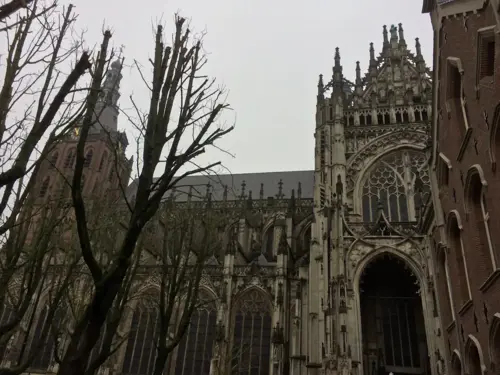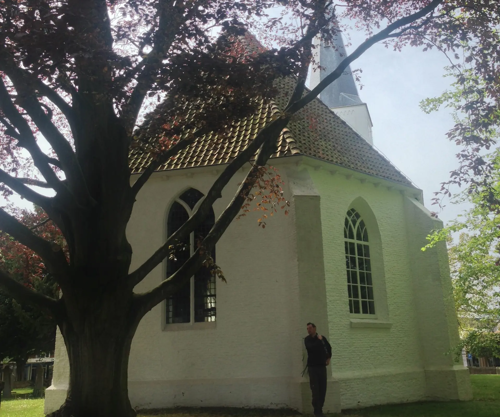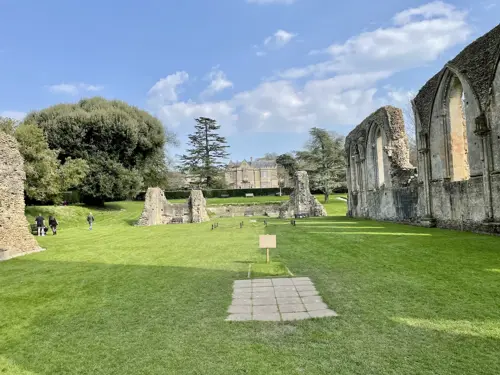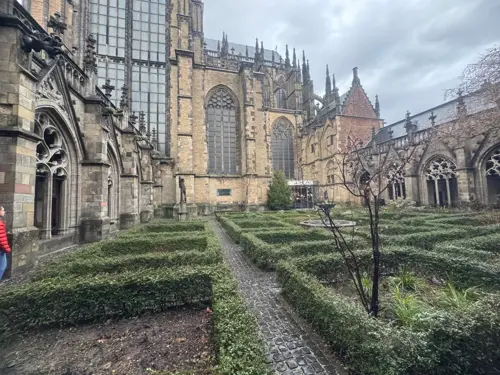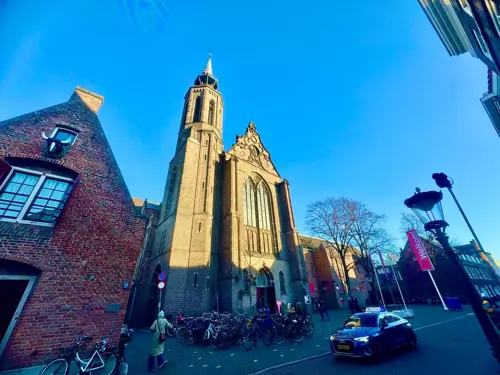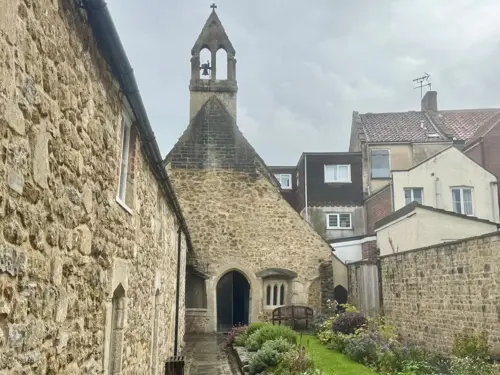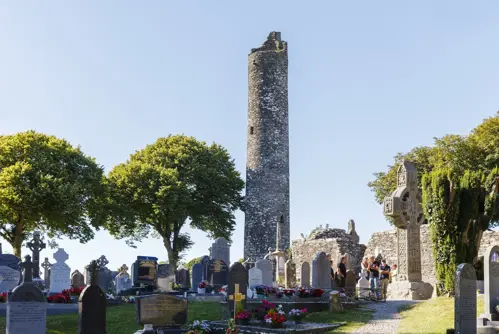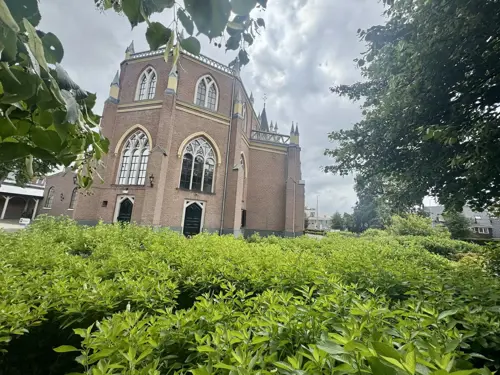




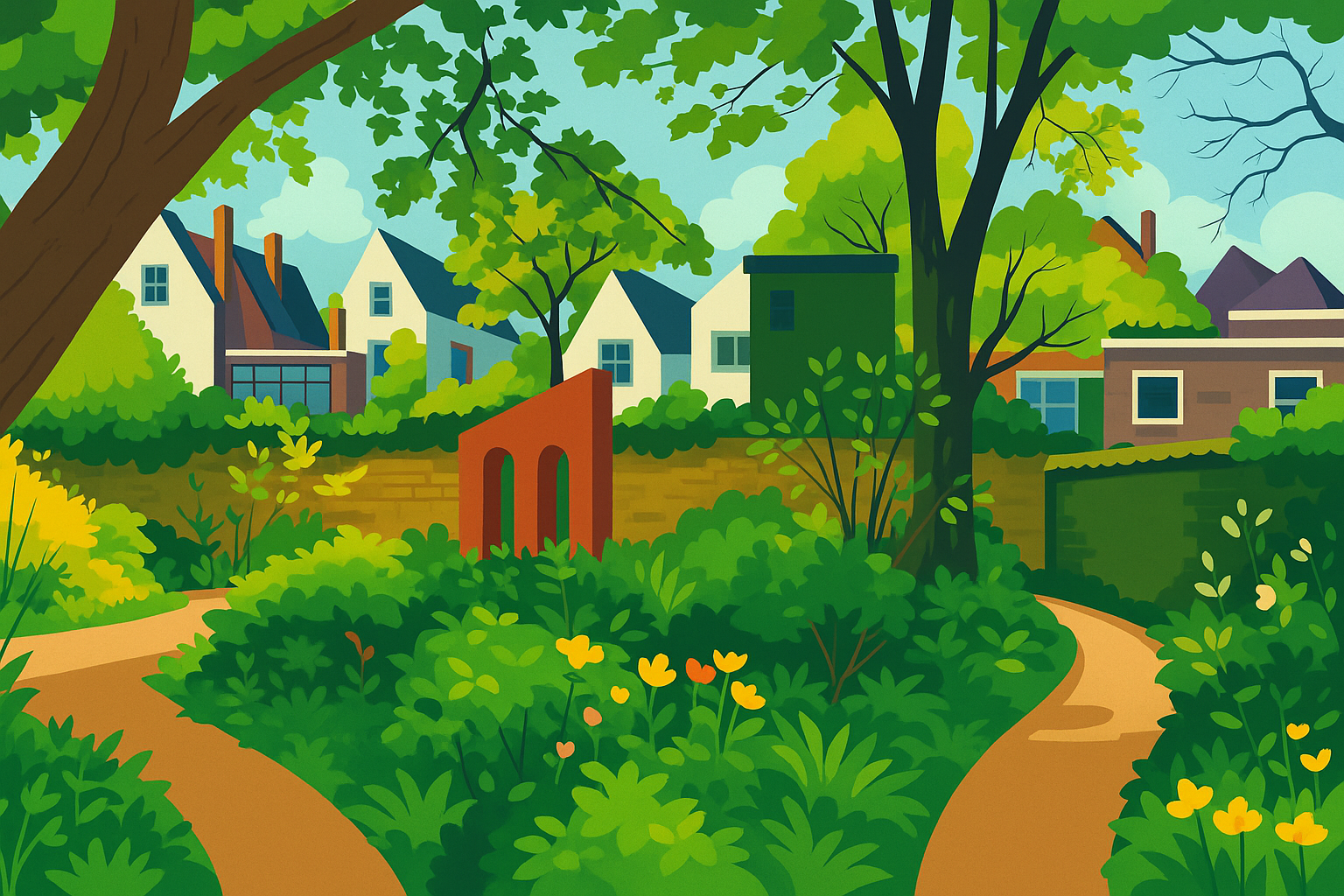








Situated behind centuries-old buildings near the medieval core of the city, Kloostertuin Deventer is a modest monastic garden enclosed by ancient architecture. The garden showcases tended flower beds, mature trees, and pathways bordered by benches, creating an inviting space for quiet contemplation and leisurely exploration. Its position makes it easy to transition from Deventer’s bustling shopping streets and market squares to this peaceful retreat, making it popular among both residents and visitors exploring the city’s heritage. Nearby notable sites include Saint Nicholas Church (Bergkerk) and other historical landmarks that highlight Deventer’s role as a Hanseatic trading center.
Archaeological and Historical Findings
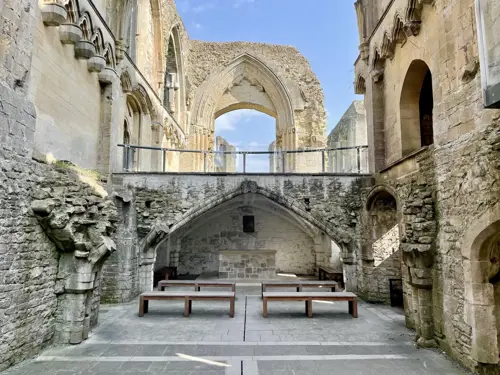
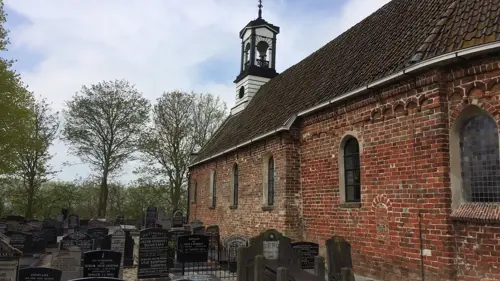
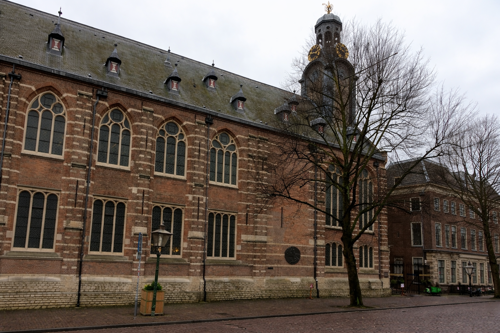
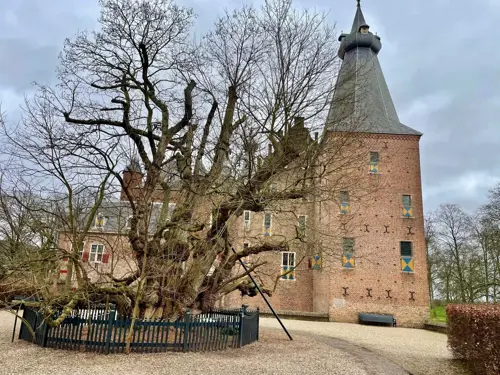
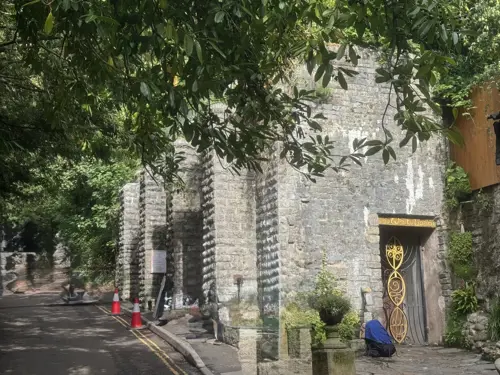
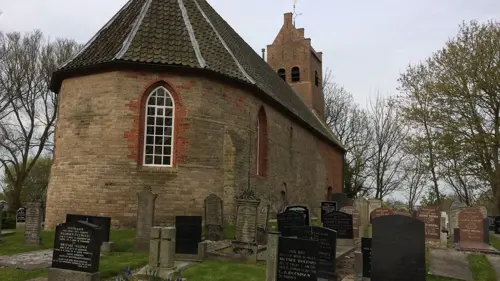
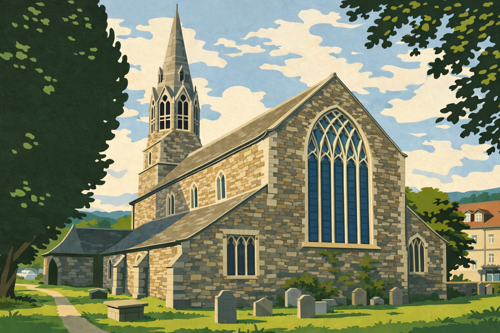
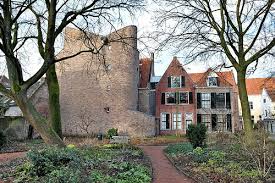
Research into the area reveals continuous use dating back to at least the early 15th century, when Reinier Buyskens constructed a house and almshouses around 1400, establishing the foundation for the Buyskenshuis and monastic community associated with the garden. The garden lies within what was formerly a medieval monastic precinct, closely linked to the Modern Devotion movement that thrived in Deventer from circa 1370 to the late 15th century. Although the present design is a modern interpretation, remnants of the original cloister walls and foundations, some dating to the 1400s, remain visible today. Surrounding structures primarily feature local brick and sandstone, typical of North Dutch church architecture in the late medieval period. Throughout its history, the site supported religious activities and urban development, functioning variously as a contemplative garden, a source of medicinal herbs for the monastery, and, during the 15th century, as a residence for religious women seeking spiritual renewal.
Accessibility and Visitor Information
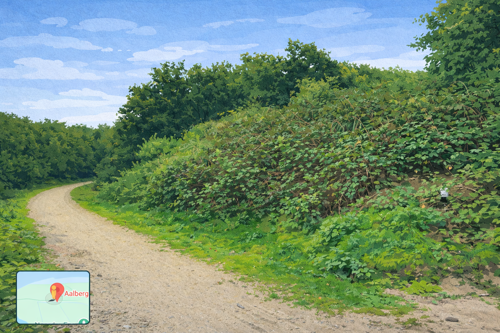
De kloostertuin is easy to reach on foot from the city’s main square. The main entrance is level, and inside the garden, paths made of compacted gravel and stone are generally accessible to visitors using mobility aids. Secondary entrances may include a few steps, but primary access routes are flat and step-free, accommodating visitors of various ages and abilities. Entrance to the site is free of charge.