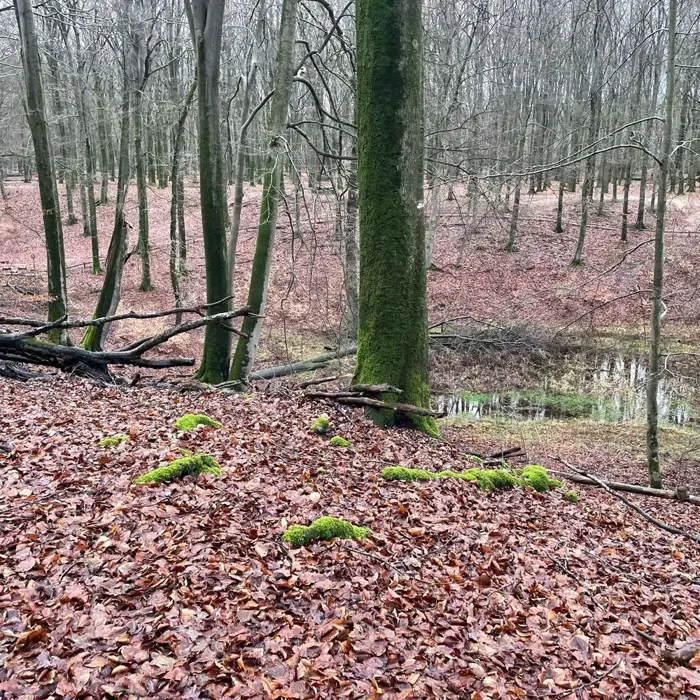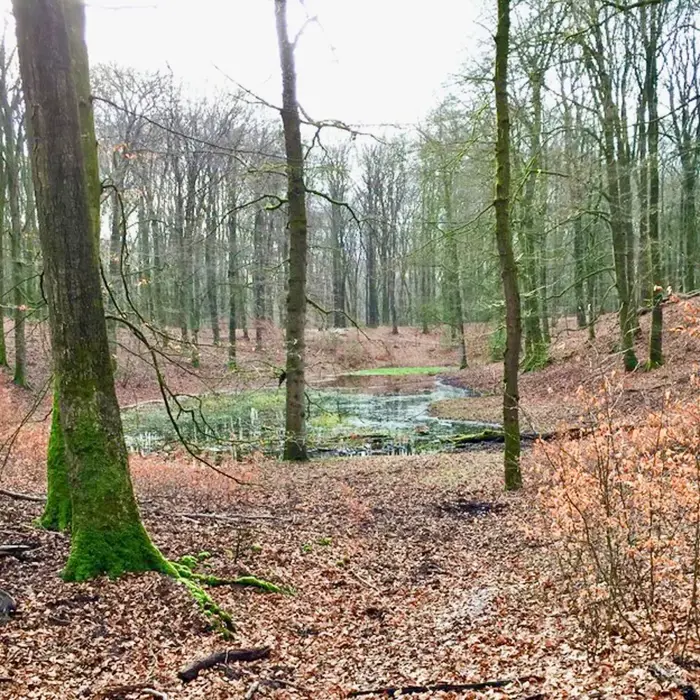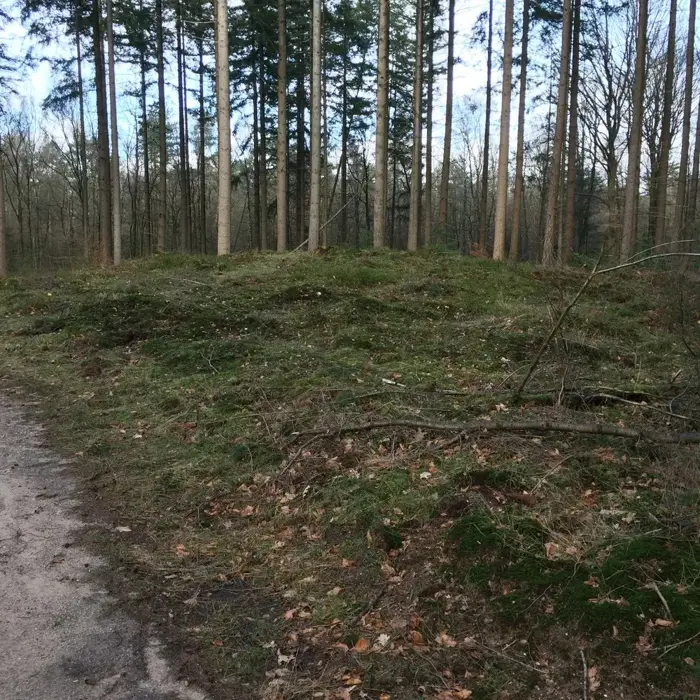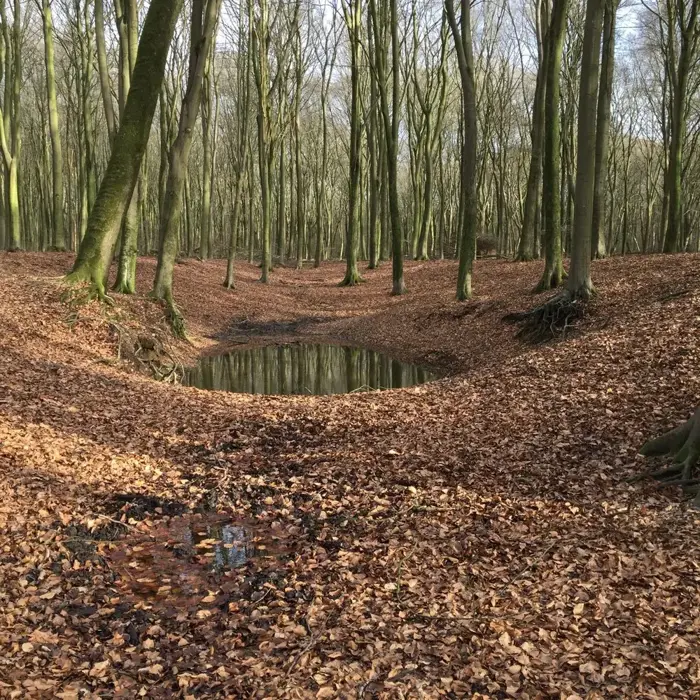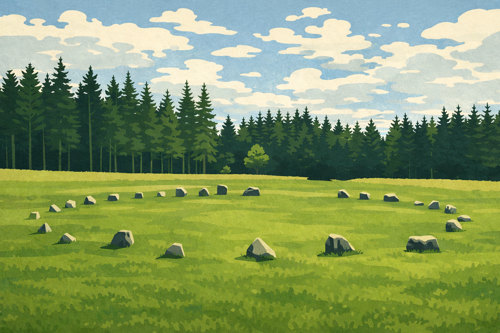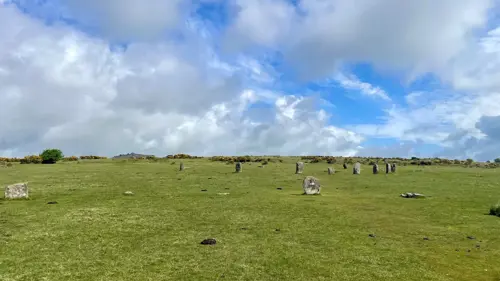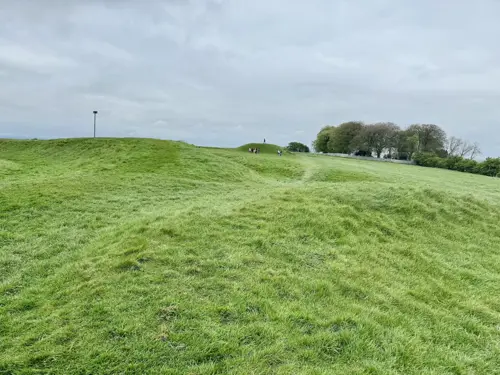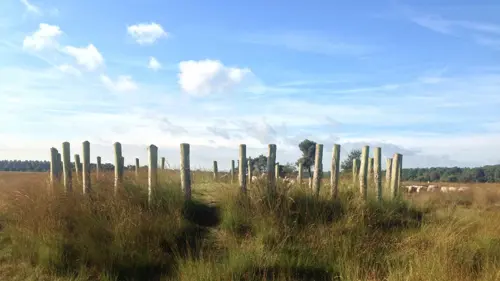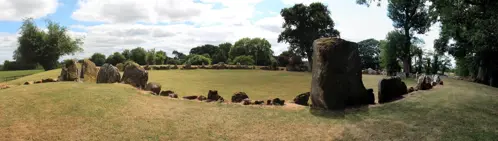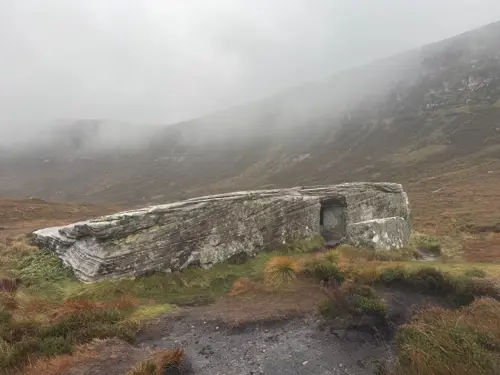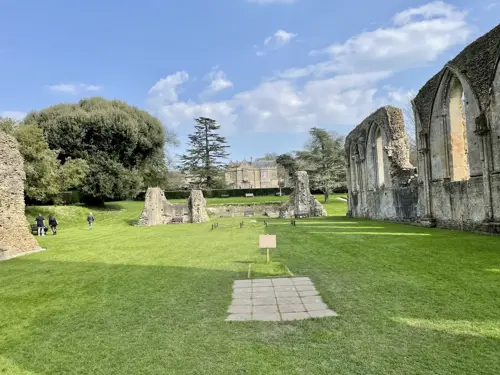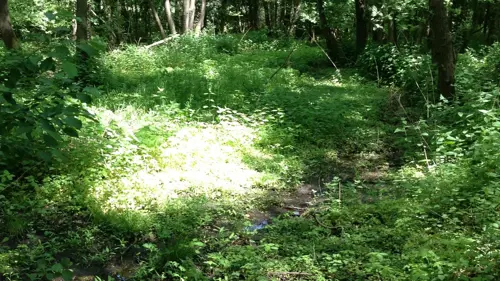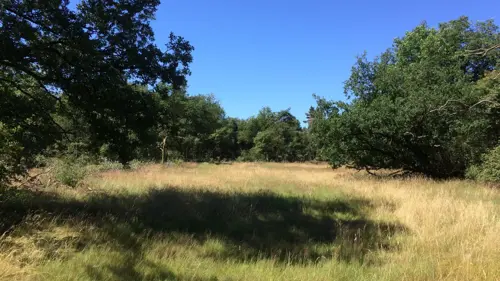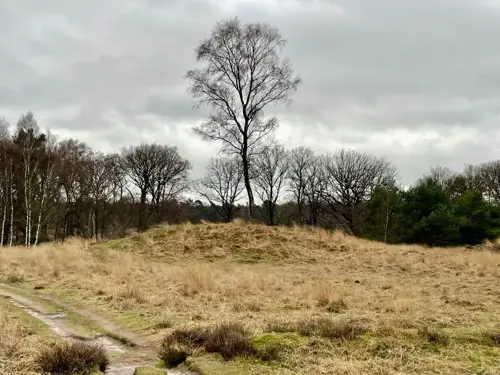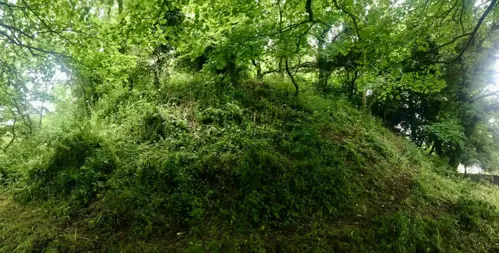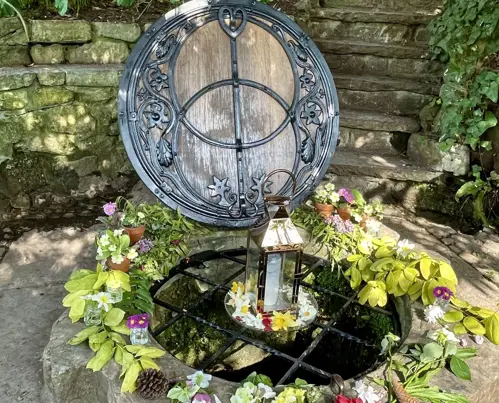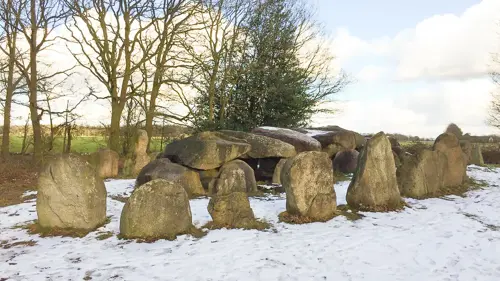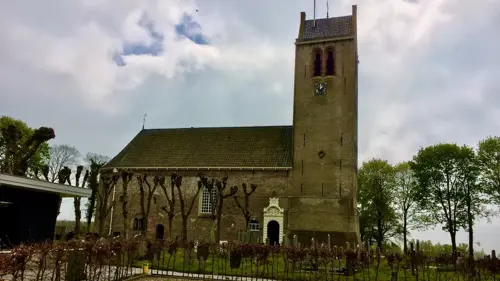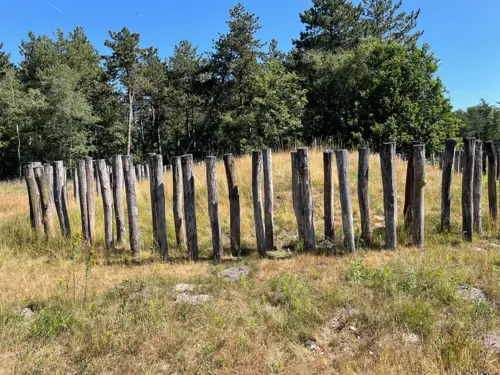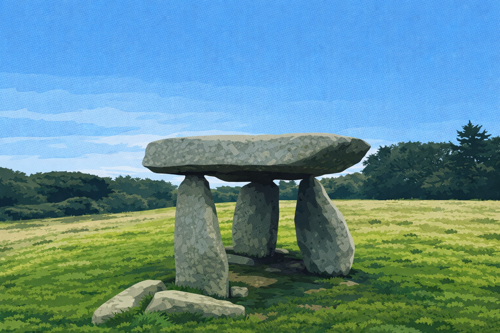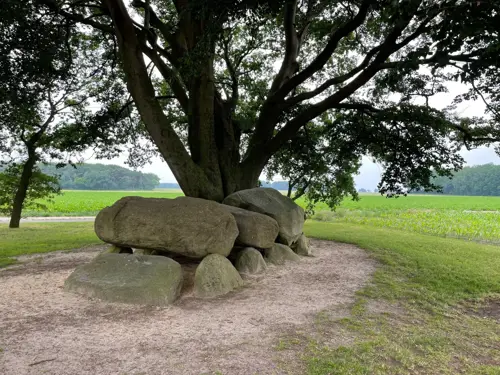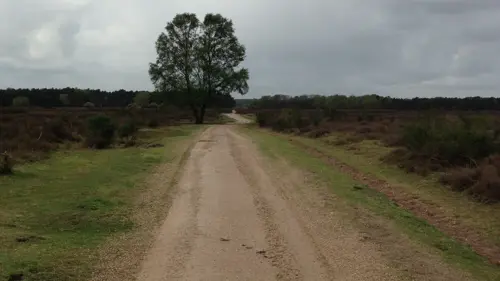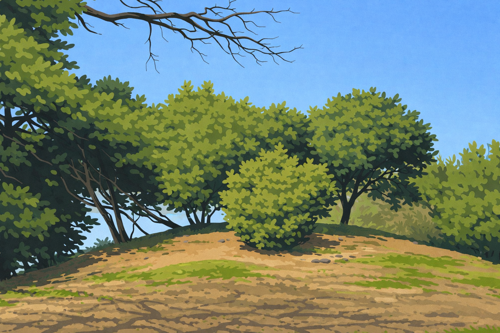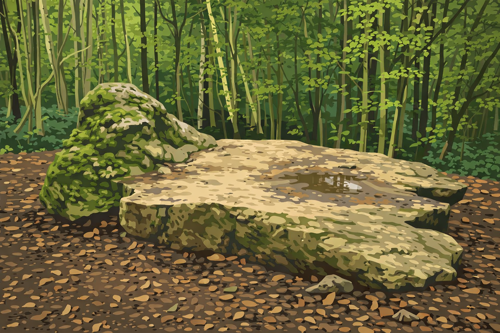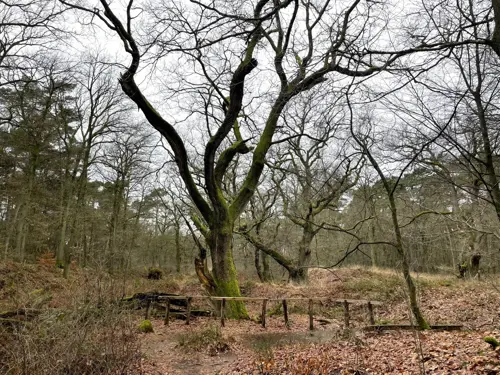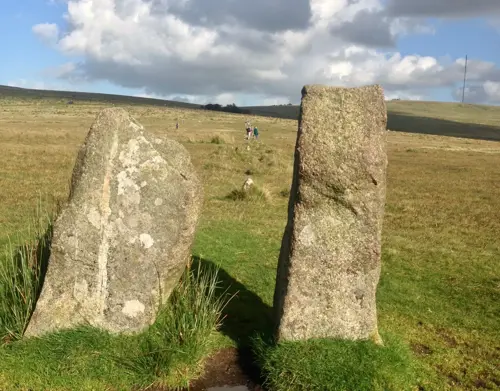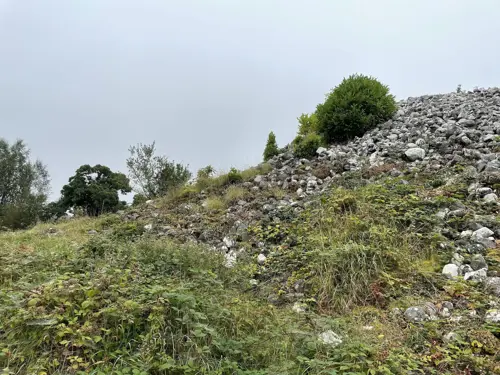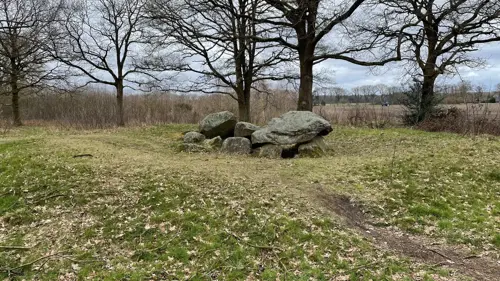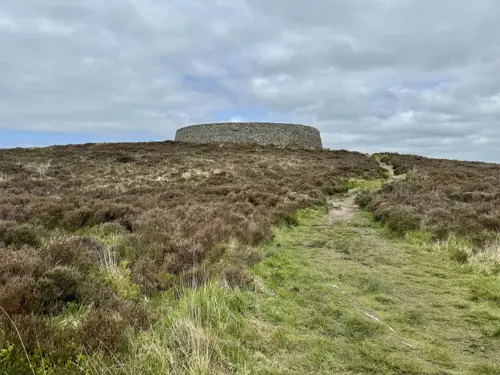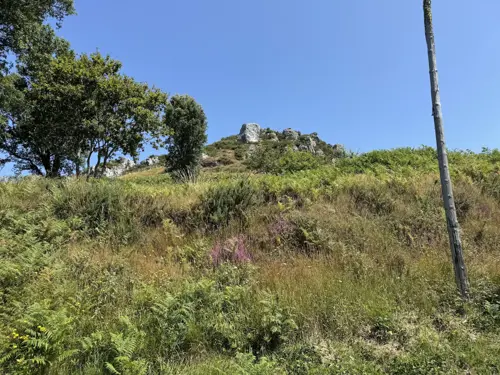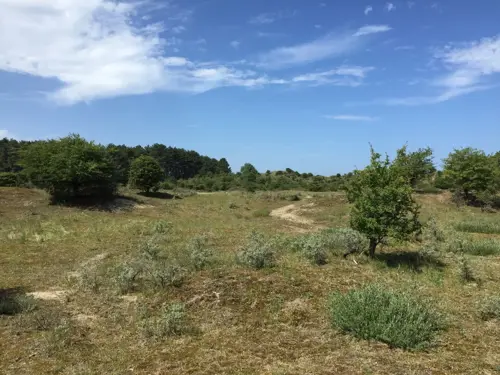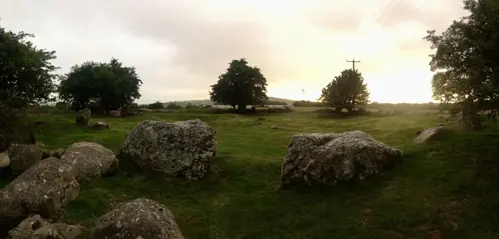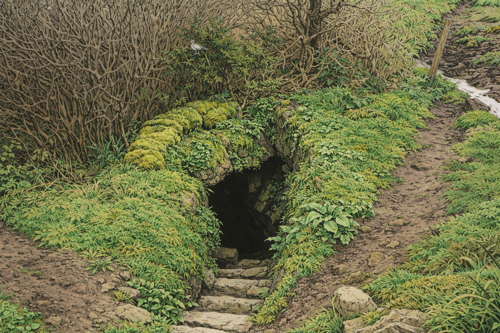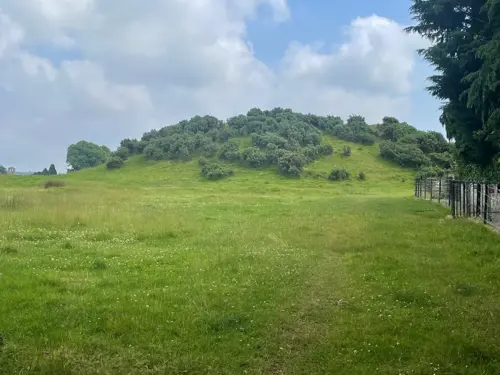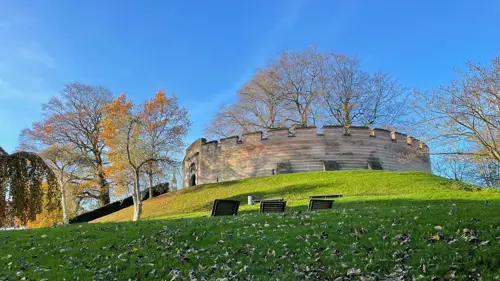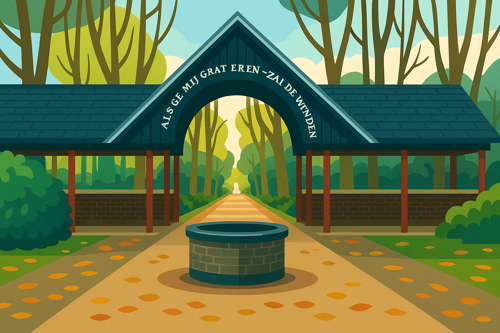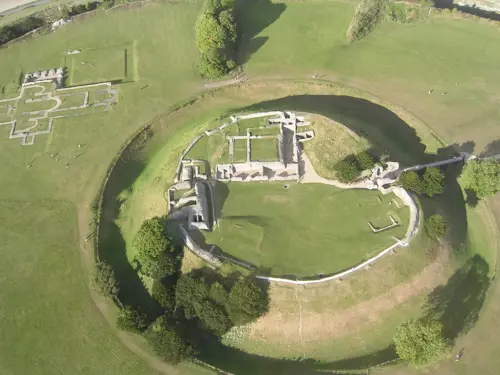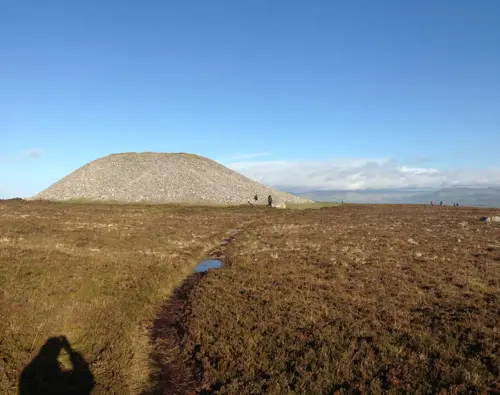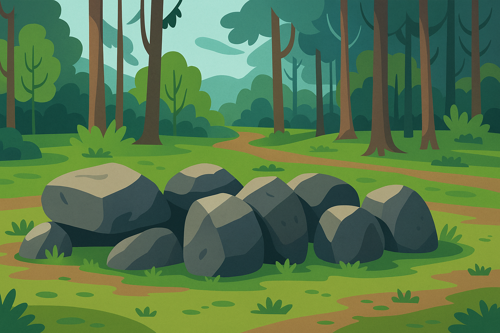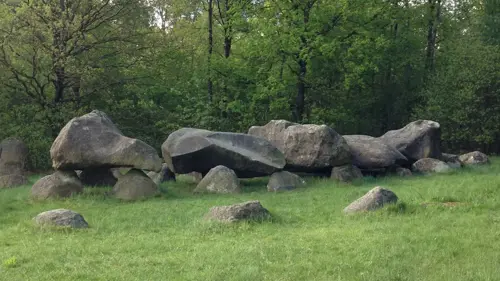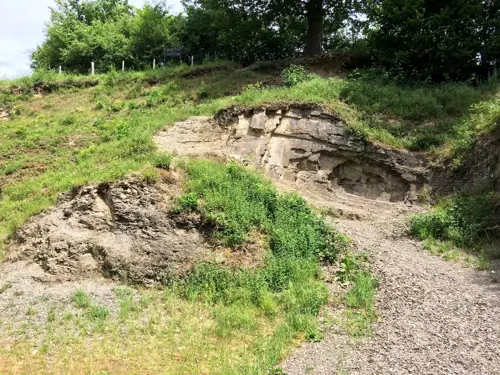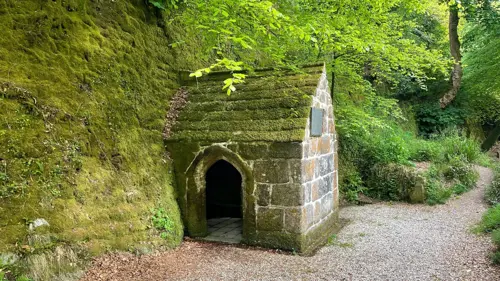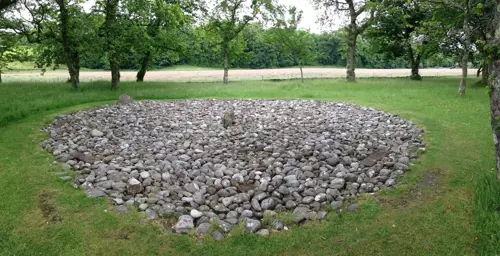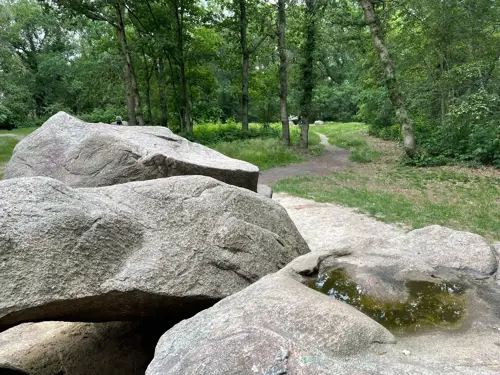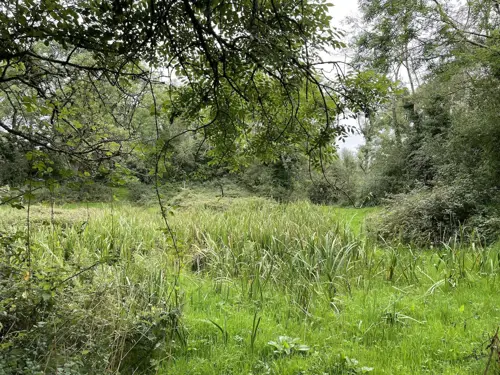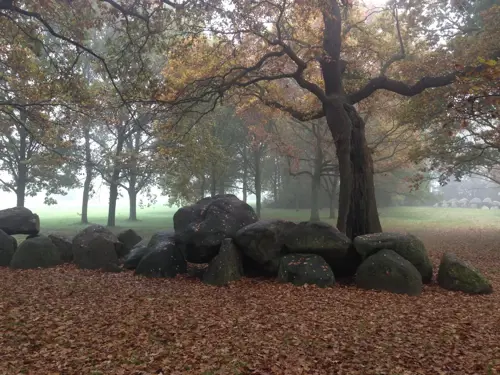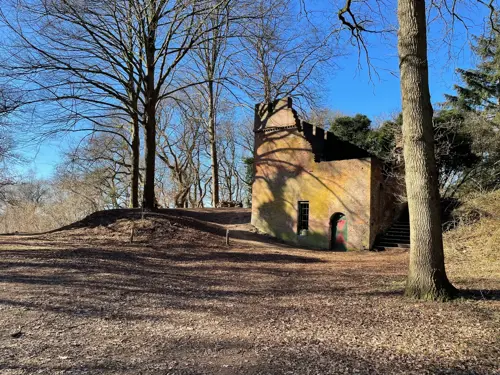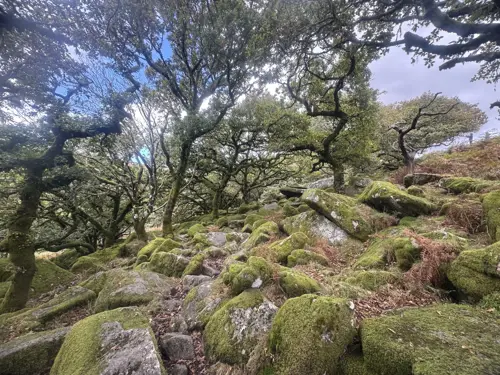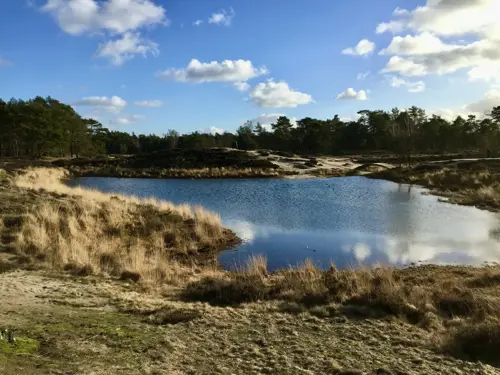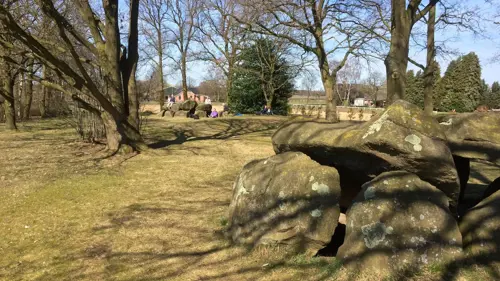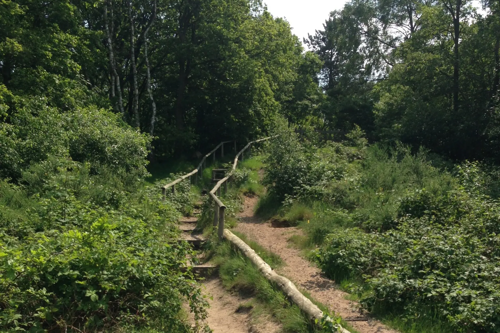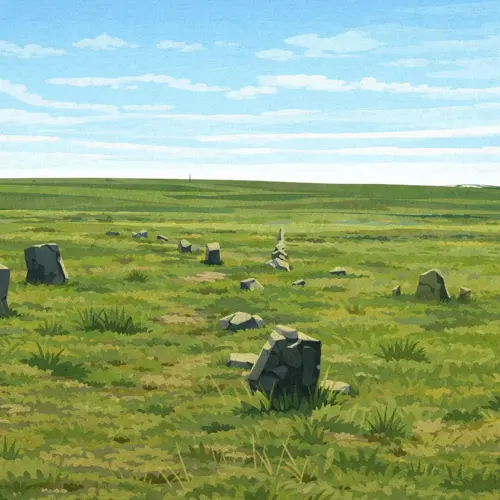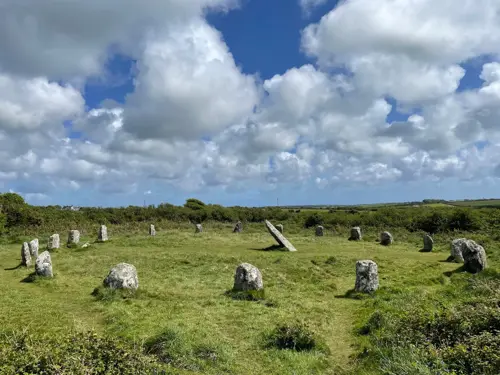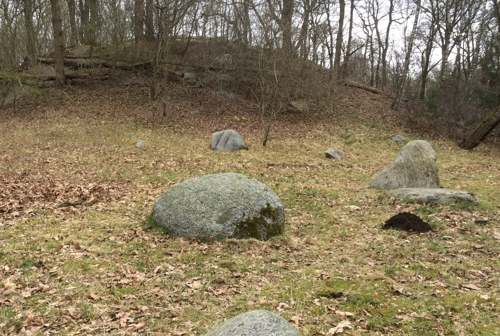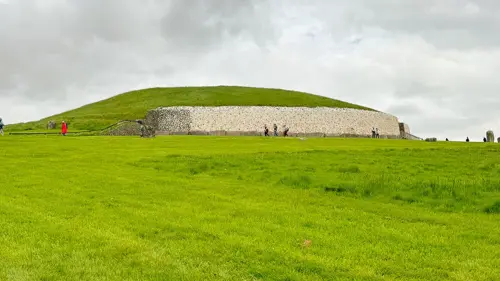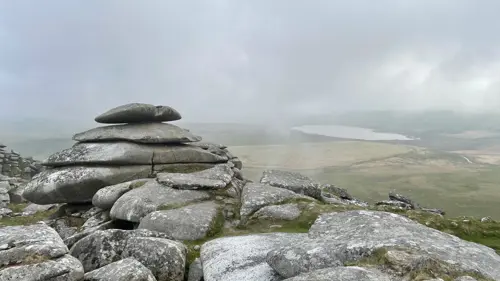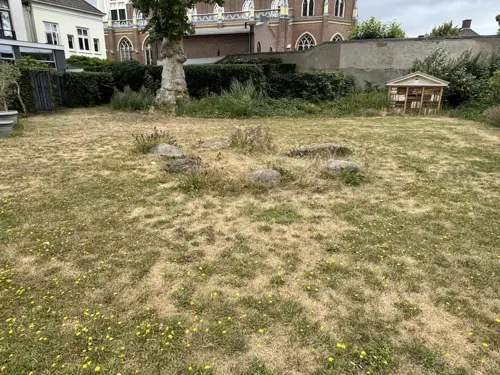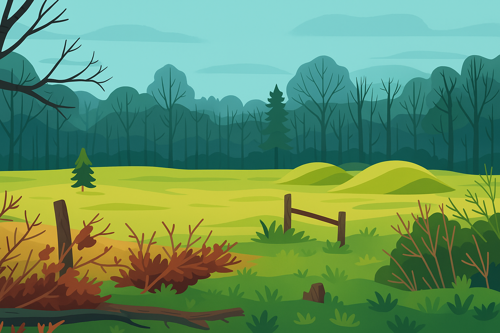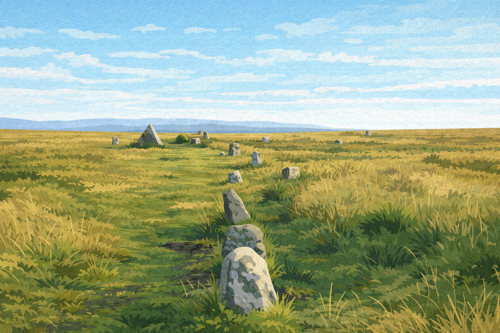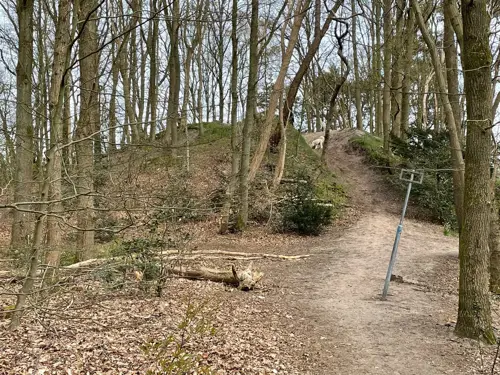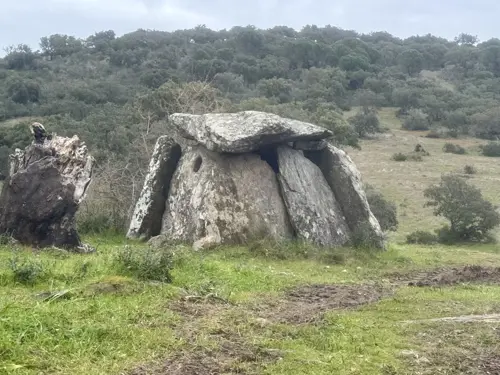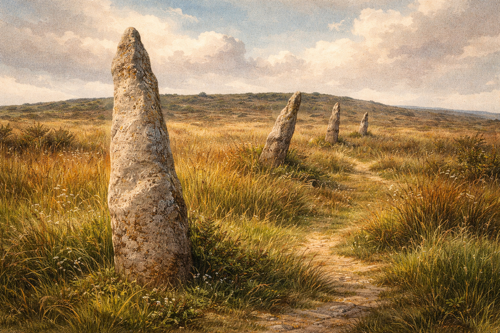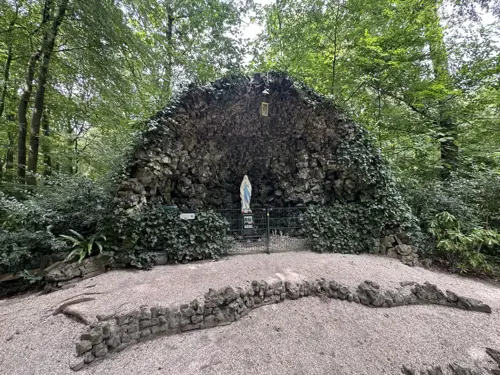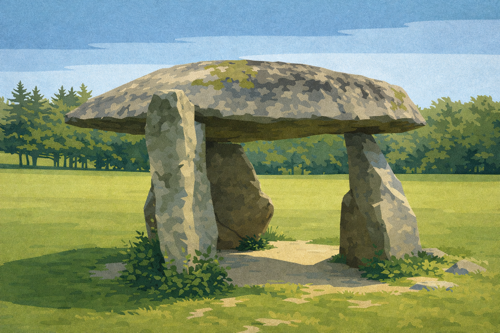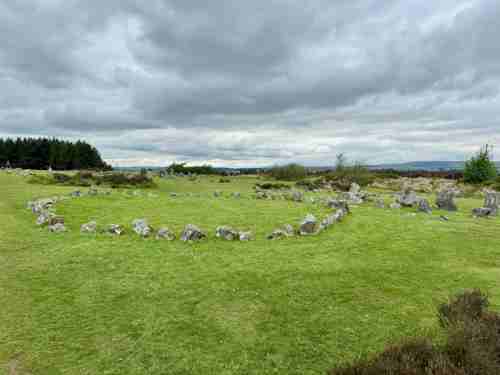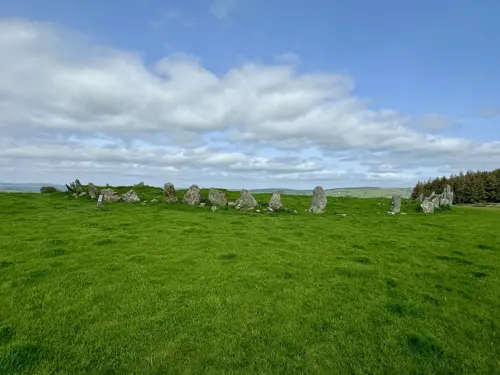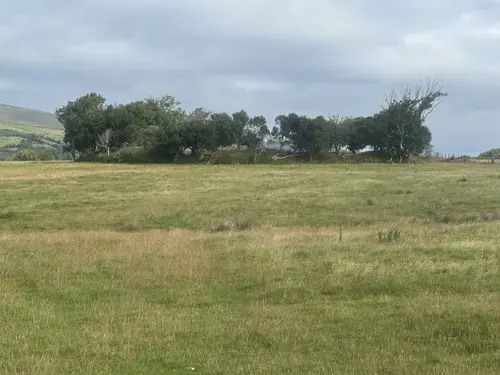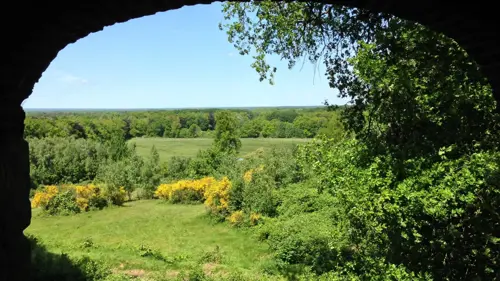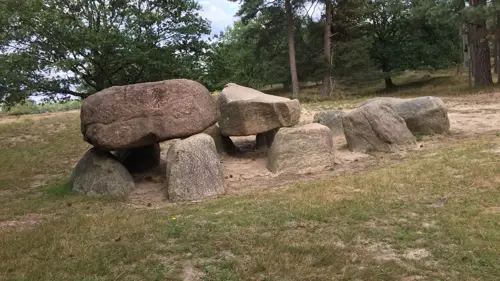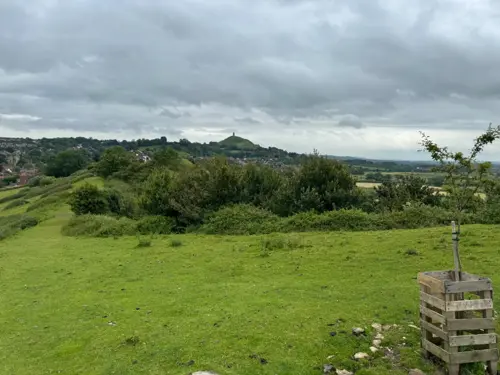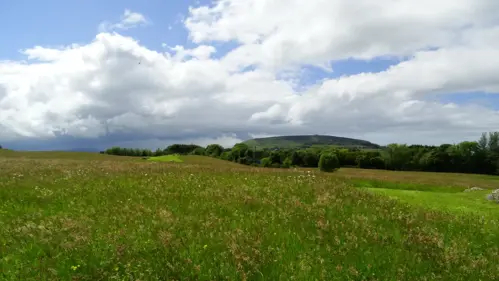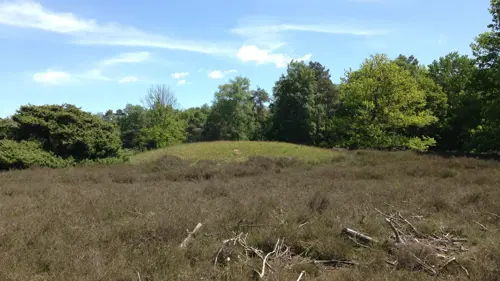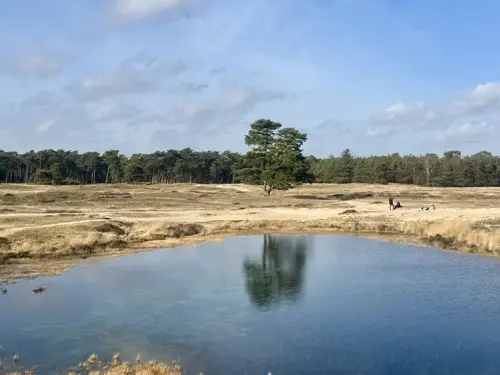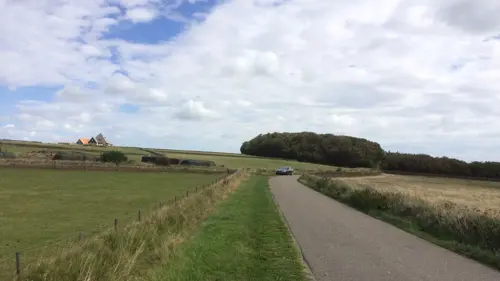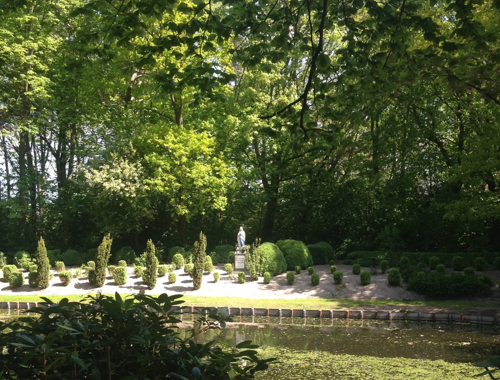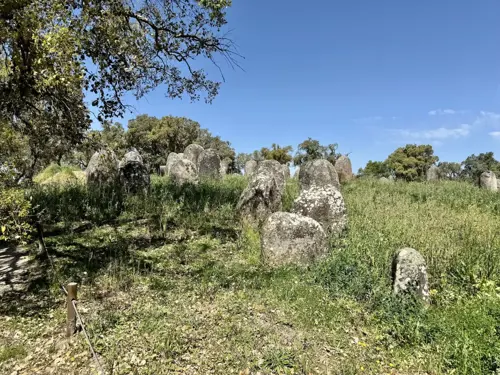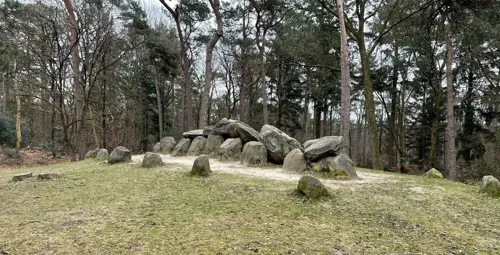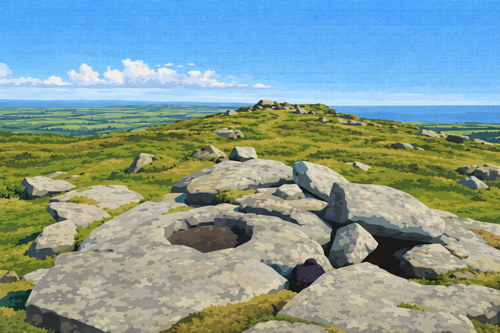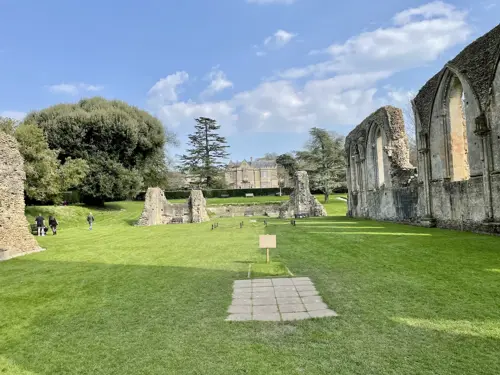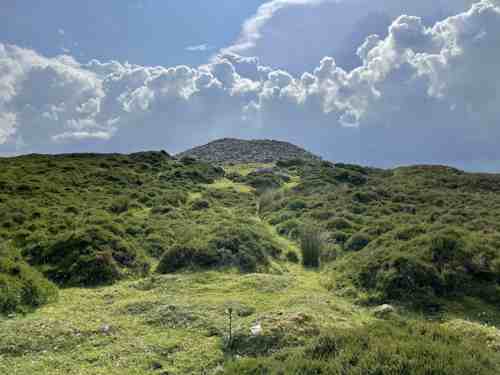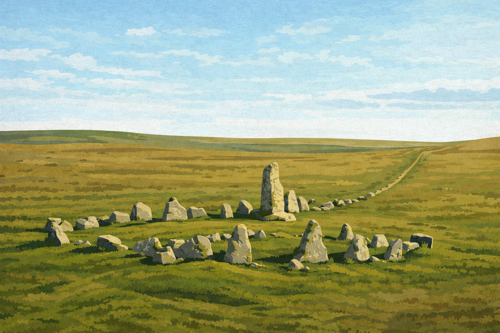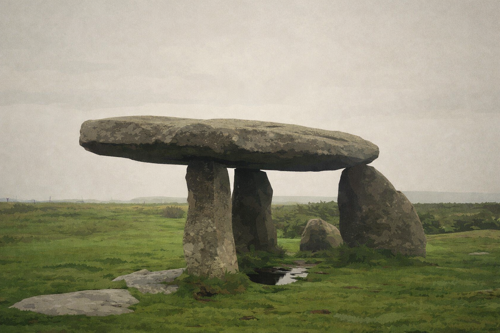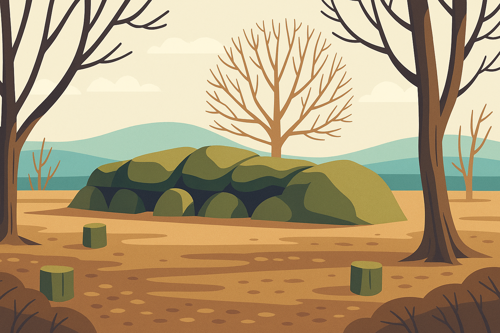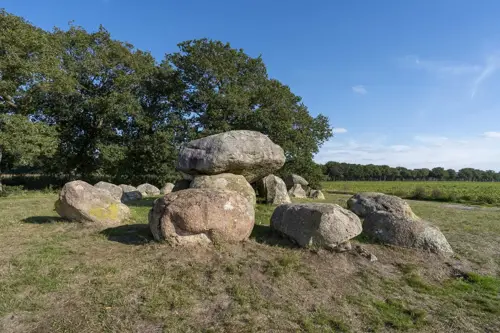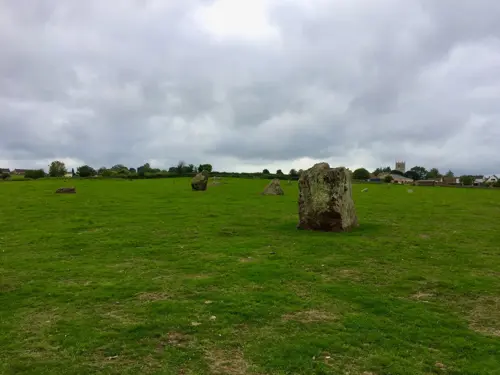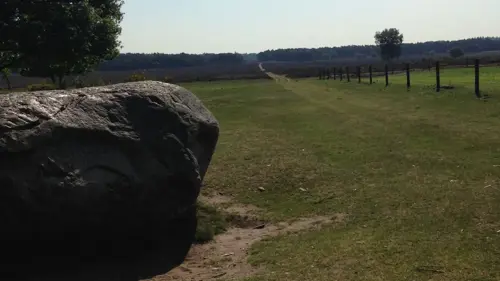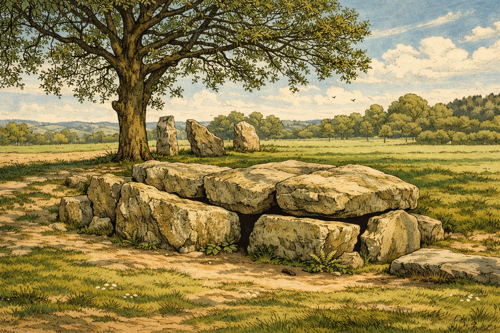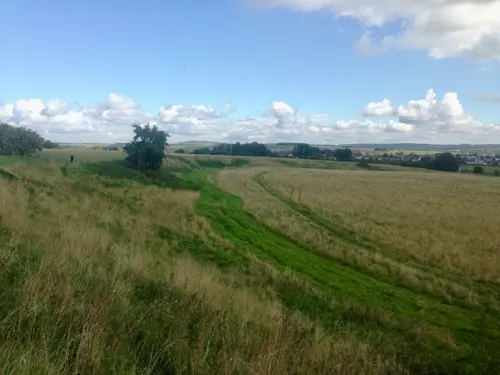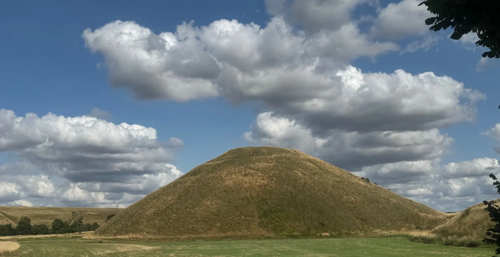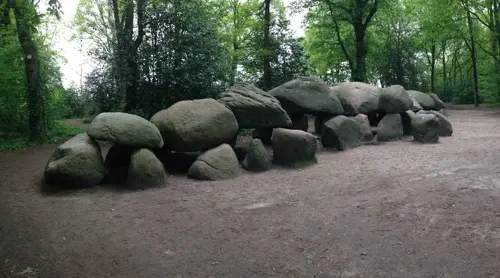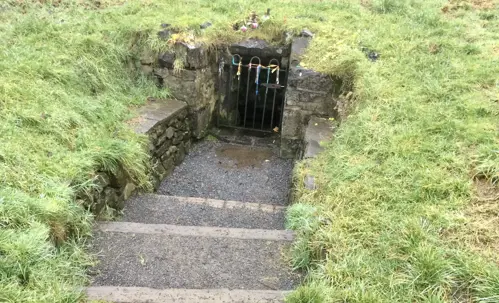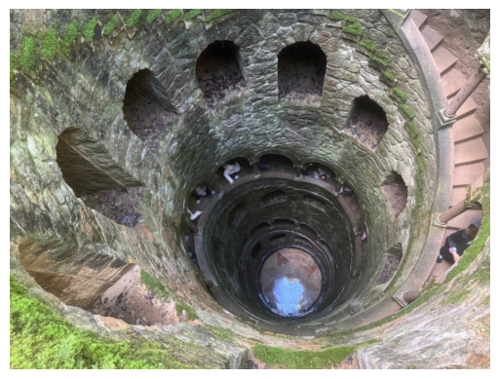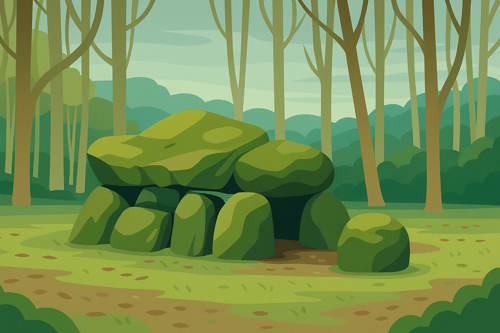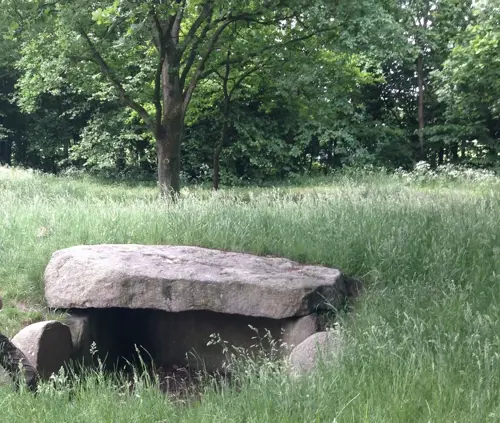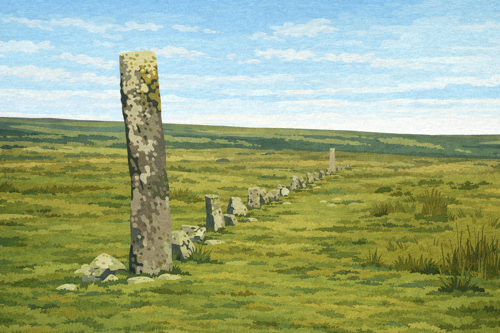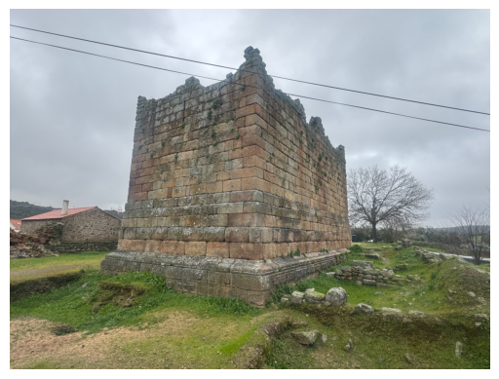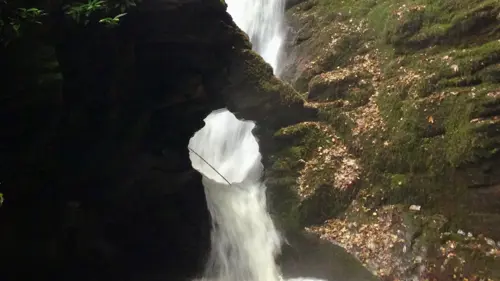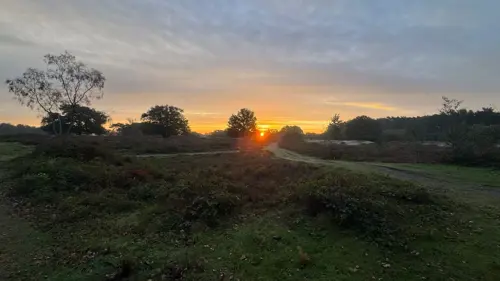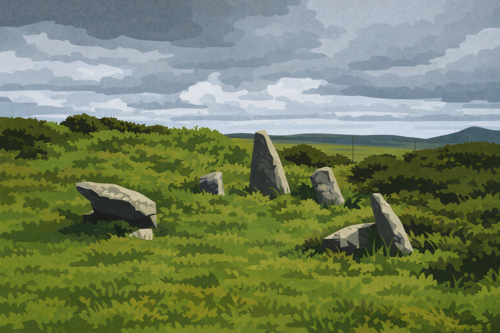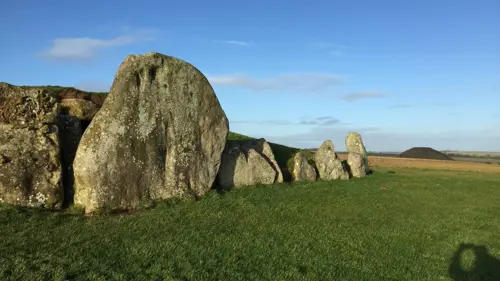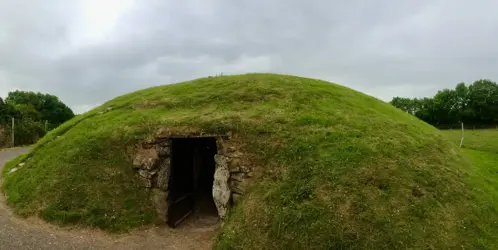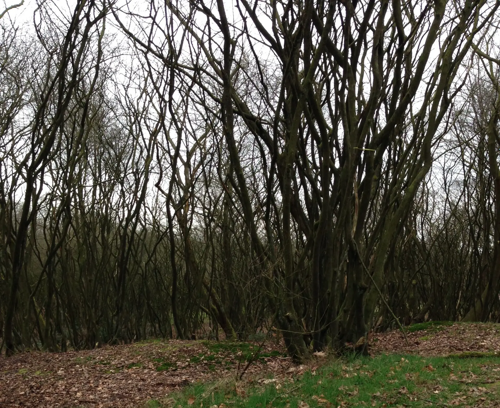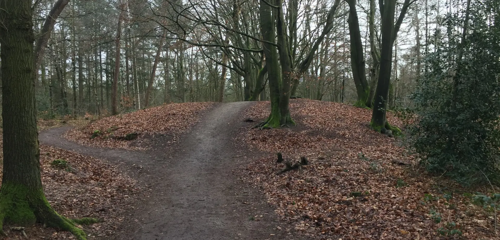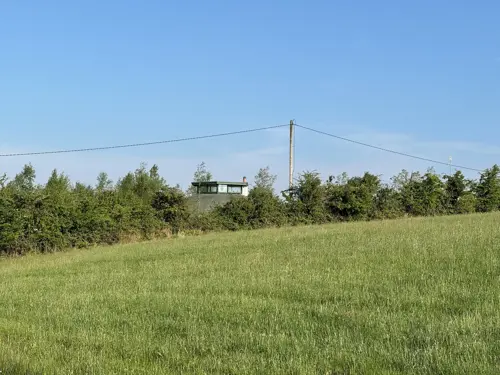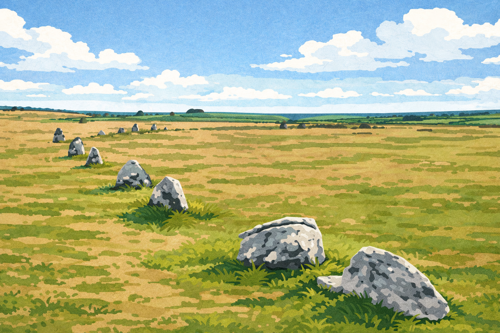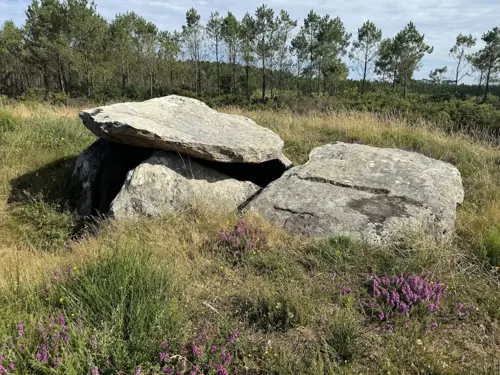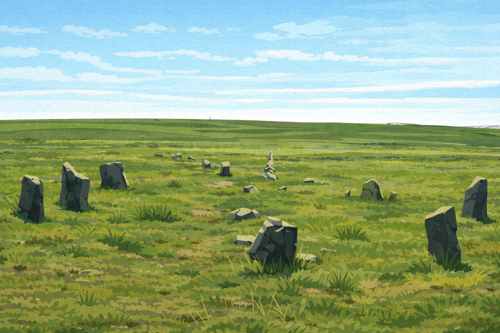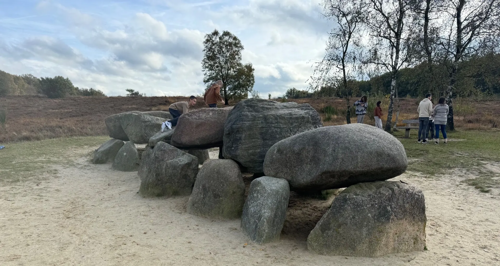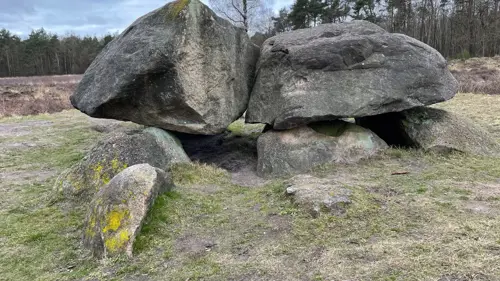




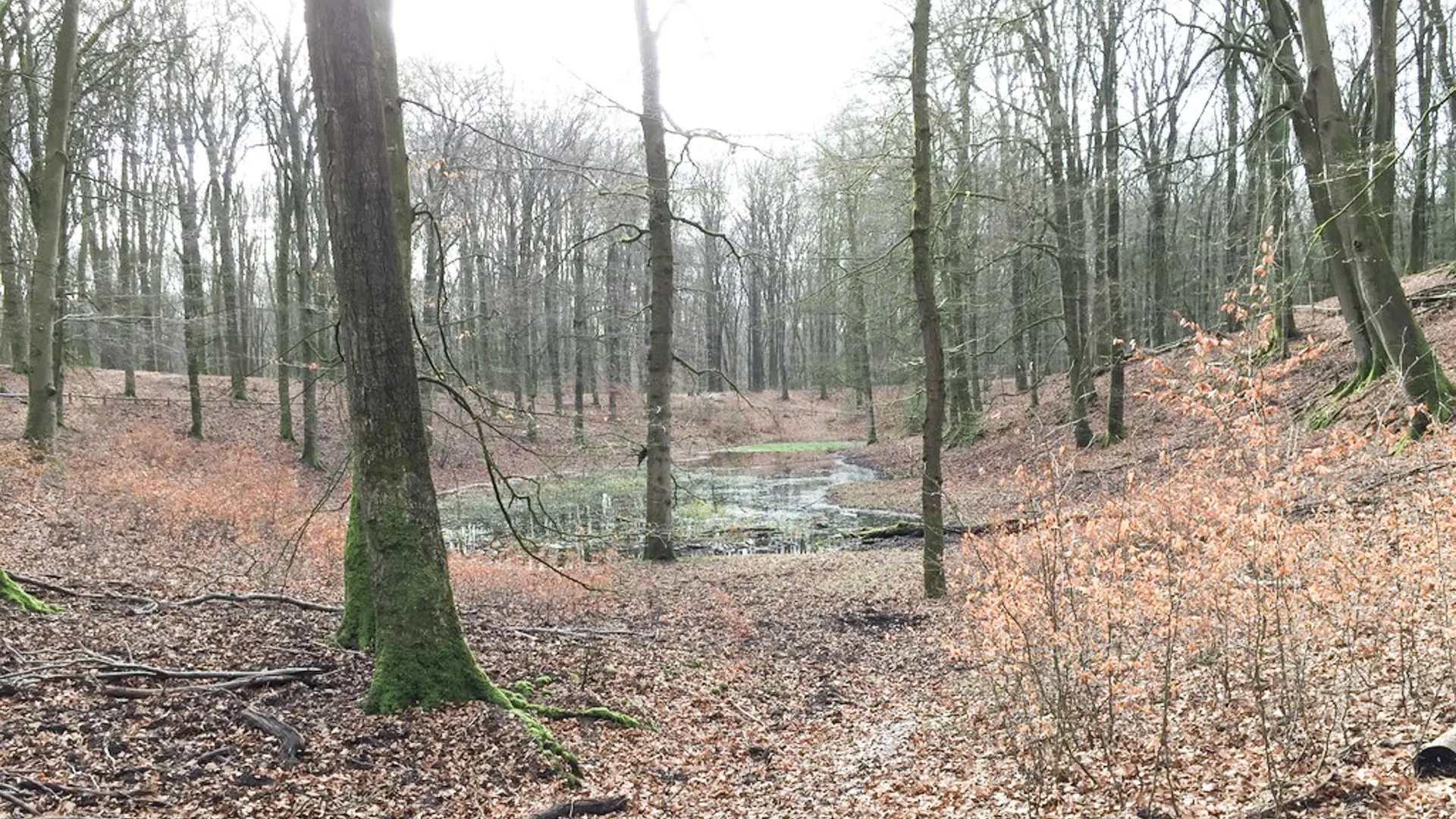







Solsche Gat is a natural depression, possibly a pingo, located in the dense Sprielderbos forest near Putten. It is enveloped by lush woodland, moss-covered clearings, and the forest’s characteristic twisted oak trees. The landscape around Solsche Gat blends tranquility and striking features: gentle slopes formed by the hollow contrast with stretches of flat forest floor. Nearby, several burial mounds dating from the Bronze Age highlight the area’s long-standing significance to human inhabitants. While the site is a popular destination for outdoor walks, the earthen hollow of Solsche Gat itself has both cultural lore and scientific interest attached to it.
Archaeological and Historical Findings
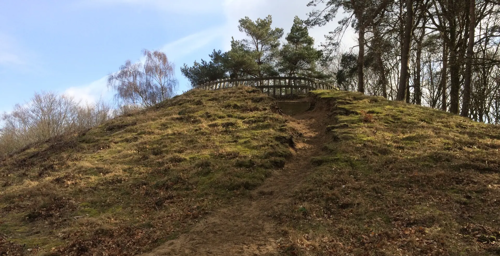
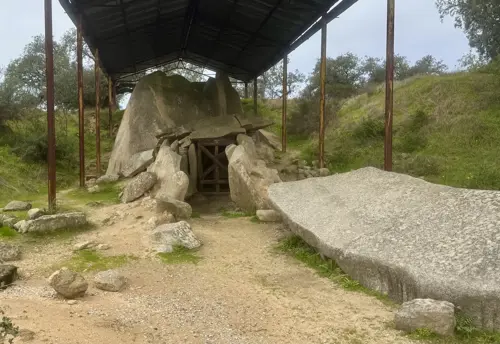
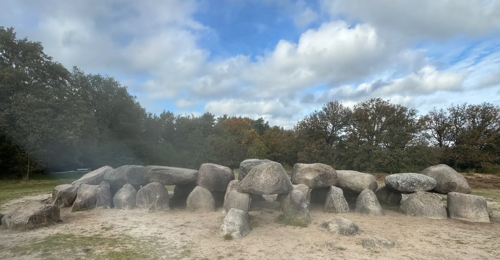
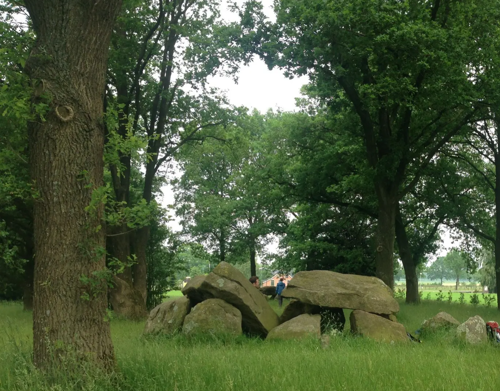
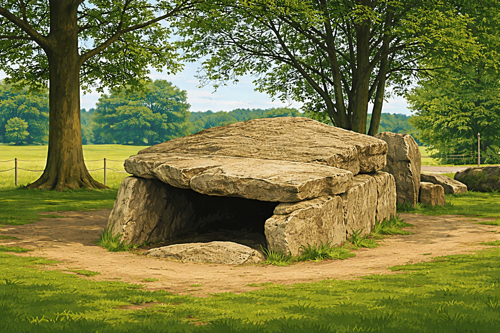
The surrounding forest is known for its archaeological importance due to the presence of prehistoric burial mounds. However, Solsche Gat itself is a naturally formed sandy depression created by the collapse of underlying layers, a glacial relict (pingo ruin), rather than a man-made structure. Despite local legends, no archaeological evidence of any ancient buildings or monasteries exists at the site. The nearby burial mounds demonstrate that the wider Sprielderbos area served as a burial ground from the Late Neolithic through the Bronze Age (approximately 2850–1100 BCE). Archaeological research has found no structural remains within Solsche Gat, confirming it as a natural feature rather than a relic of human construction.
Legends, Folklore and Myths
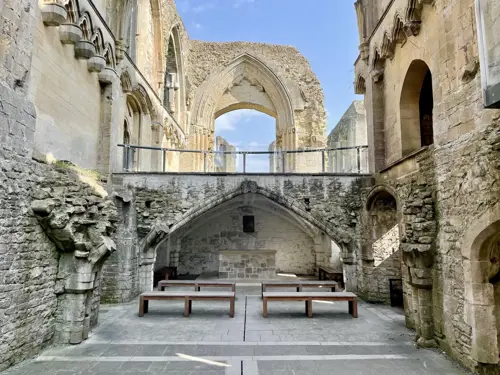
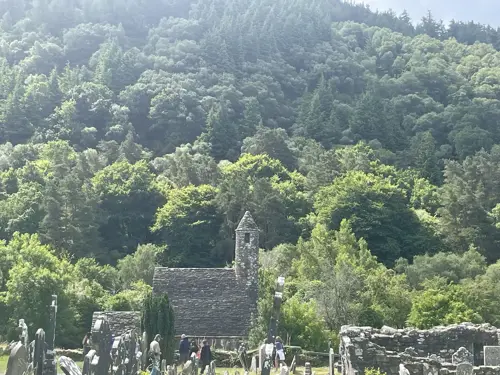
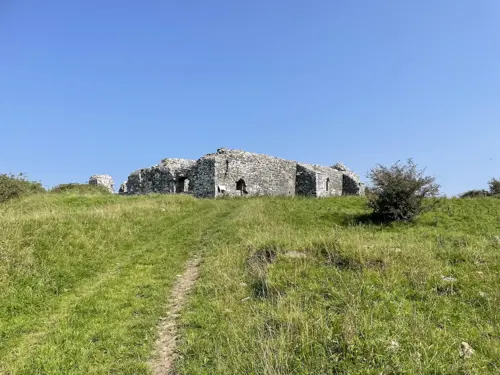
Solsche Gat is linked to several regional legends. The most well-known story tells of a large and wealthy monastery that once stood here but vanished overnight as punishment for the wrongdoing of its inhabitants. According to these tales, the hollow marks the place of this dramatic event, with some suggesting that faint sounds of bells or chanting can occasionally be heard. Though these accounts are deeply embedded in local tradition and frequently recounted, no historical or archaeological evidence confirms the existence of the monastery. Similar stories of sunken religious sites appear in other Dutch folklore but are uniquely tied to Solsche Gat in this region’s cultural narratives.
Accessibility and Visitor Information
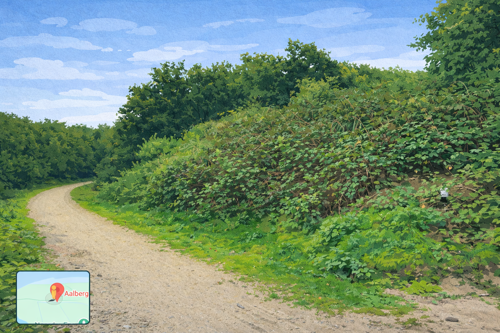
Visitors can reach Solsche Gat easily via several marked trailheads around Putten. The most popular path begins at a parking area near the forest on the Sprielderweg, leading approximately 1.5 kilometers through mostly flat, unpaved woodland trails with gentle inclines at times. The route crosses forested terrain that can be uneven or muddy after rainfall. While the path has no stairs or steep climbs and is accessible to many walkers, it is not fully suitable for wheelchair users. Entry to Solsche Gat and the Sprielderbos is free of charge.