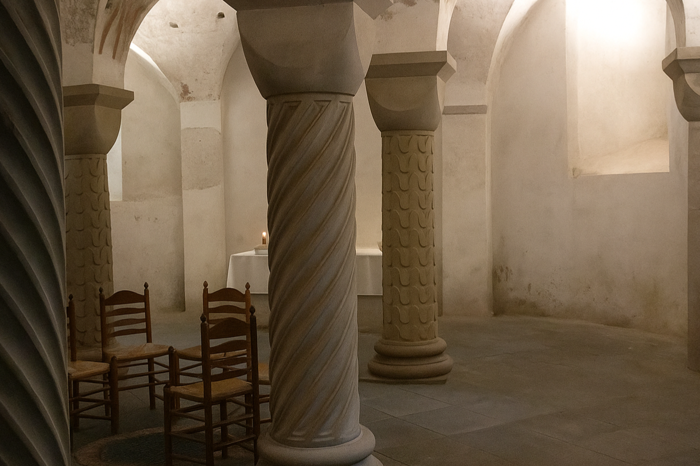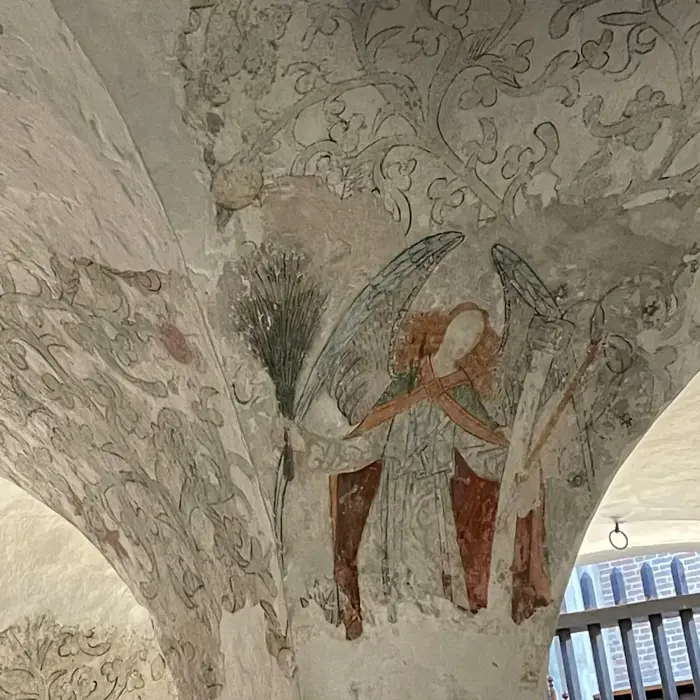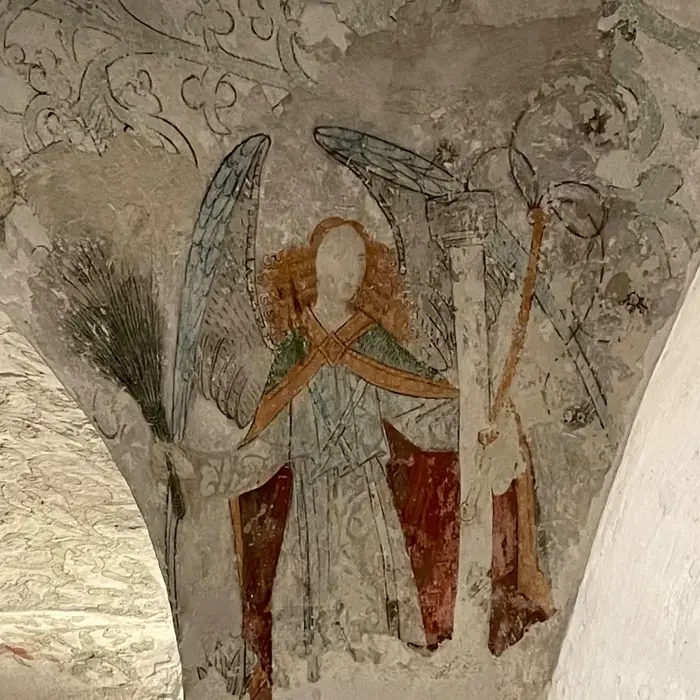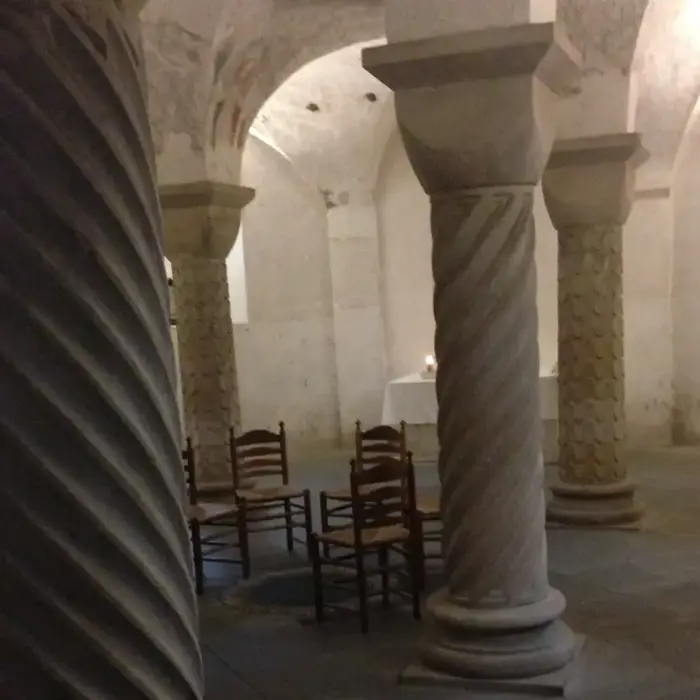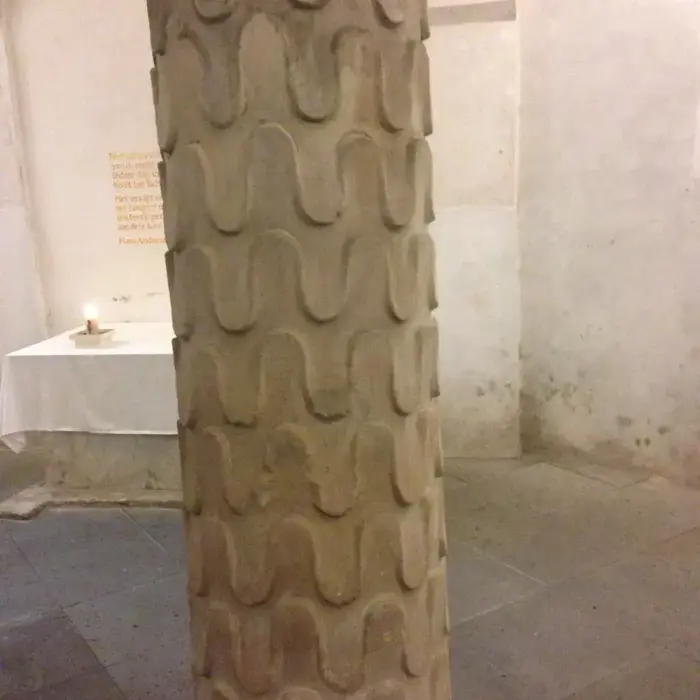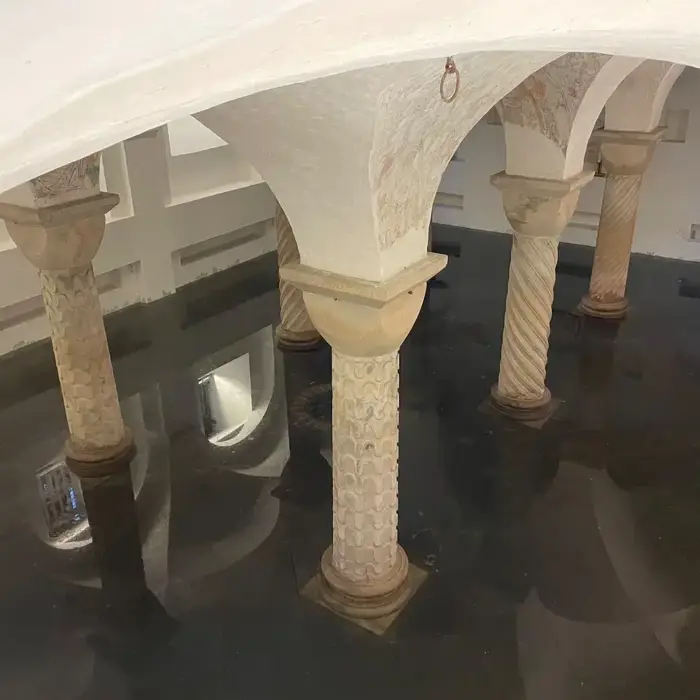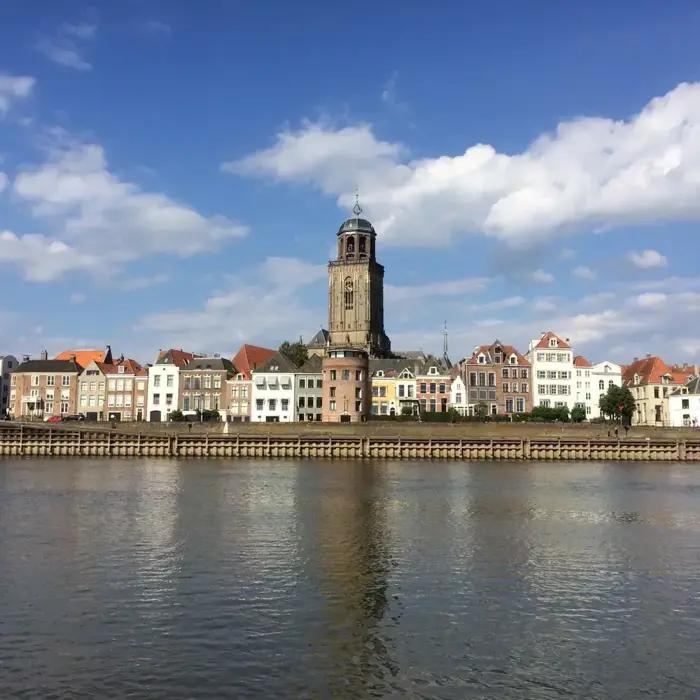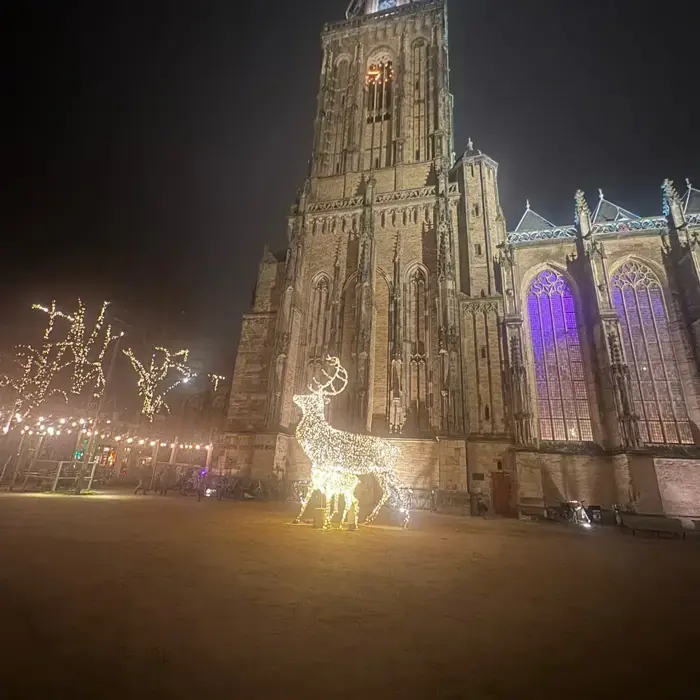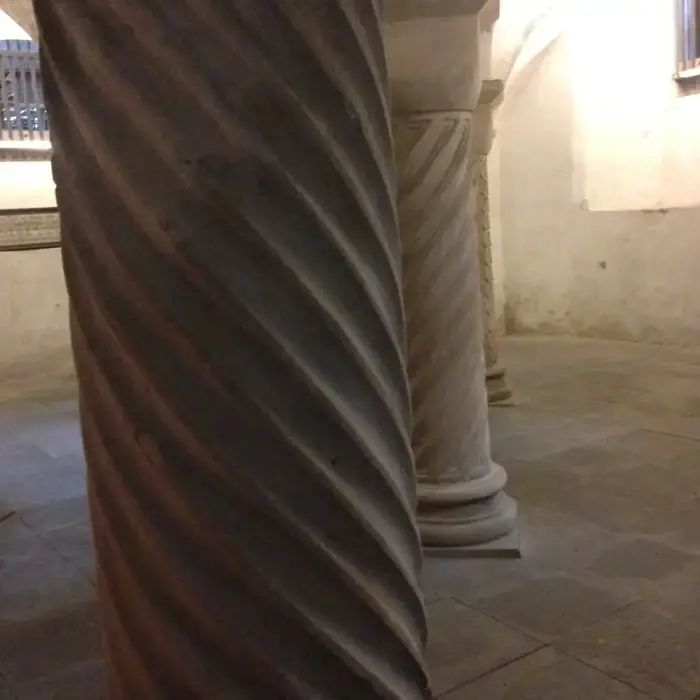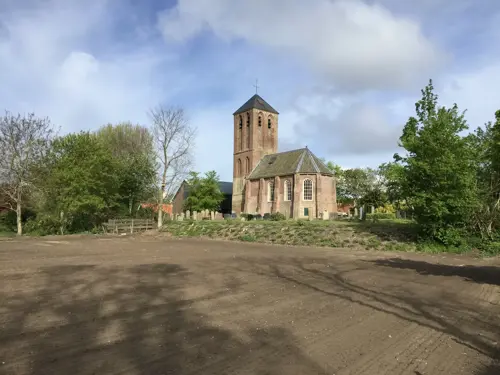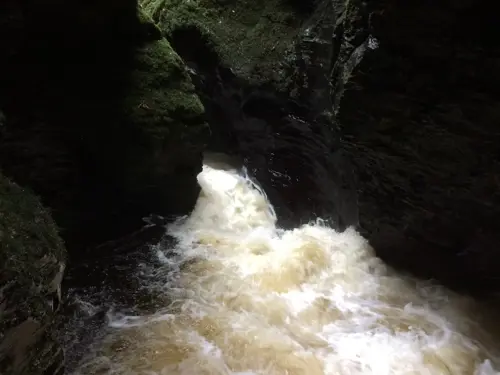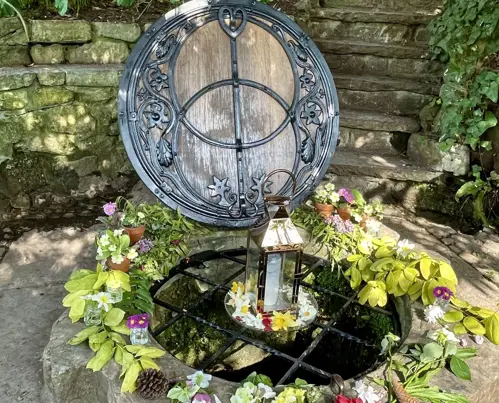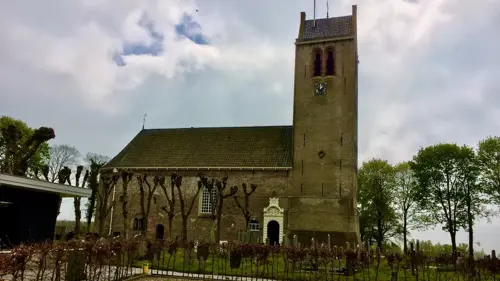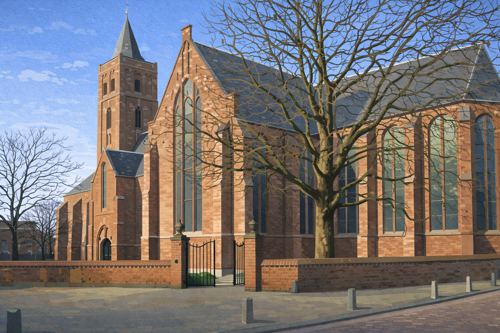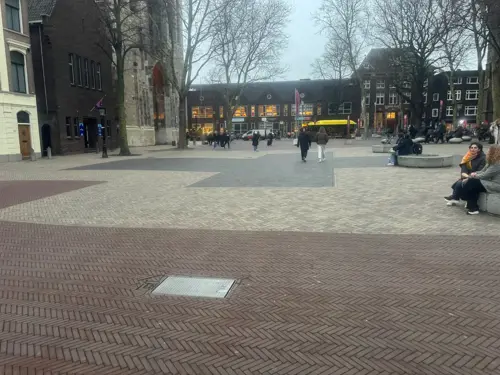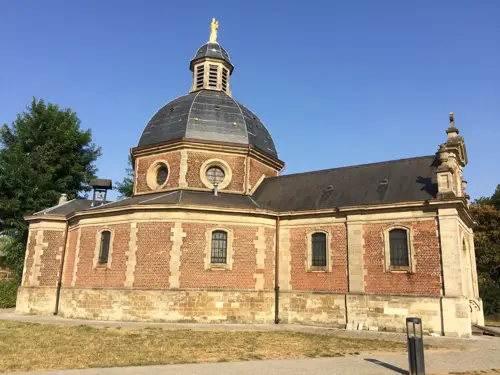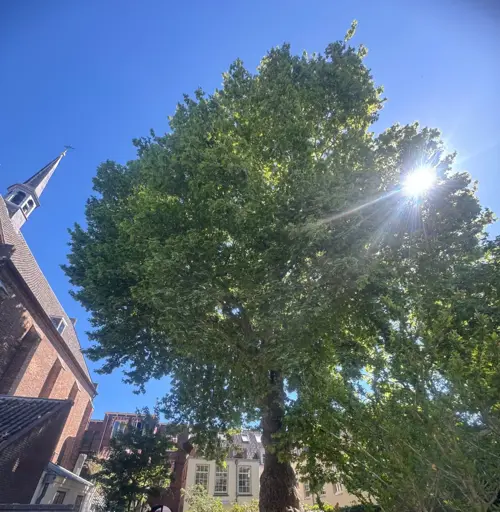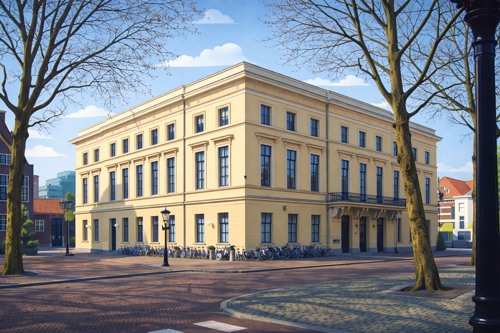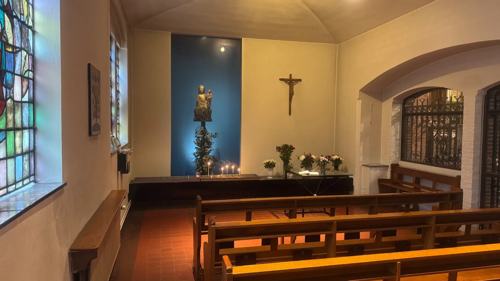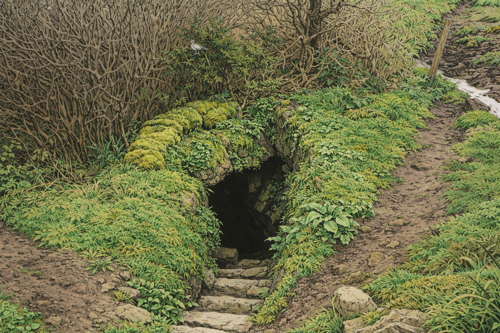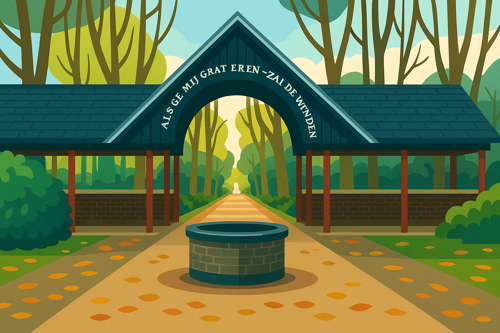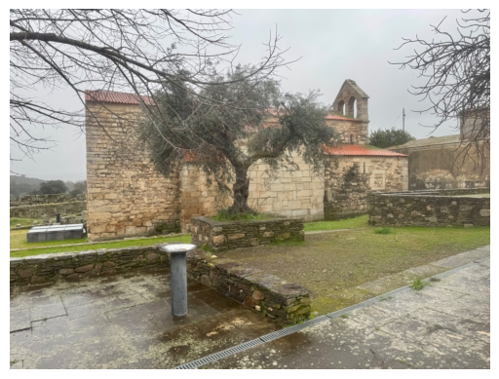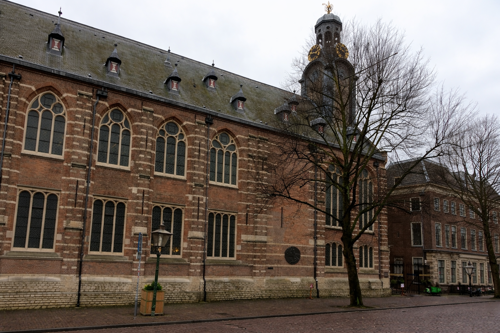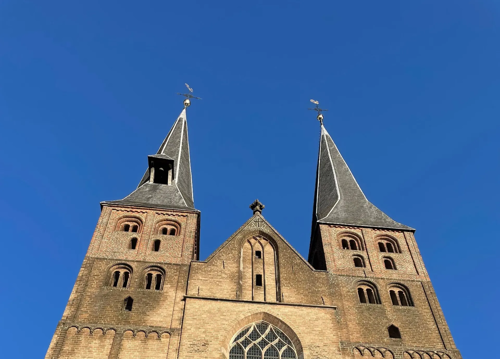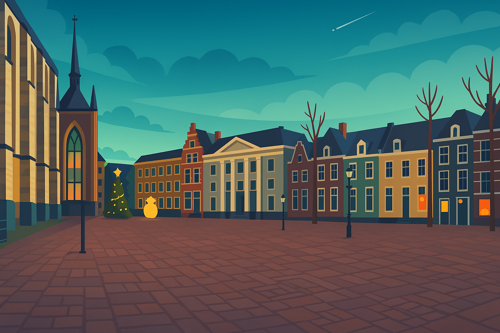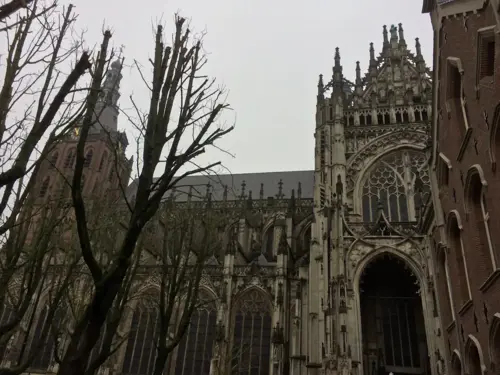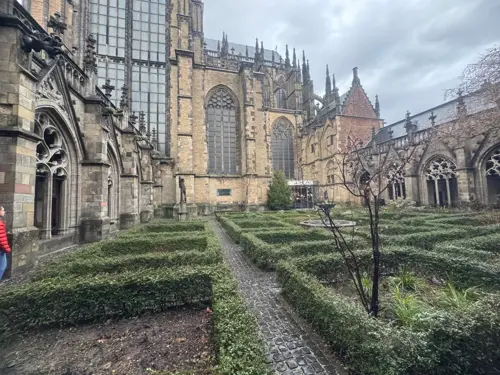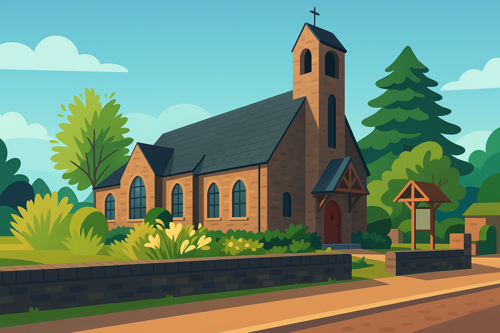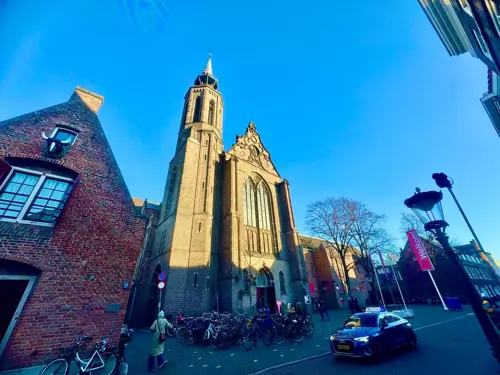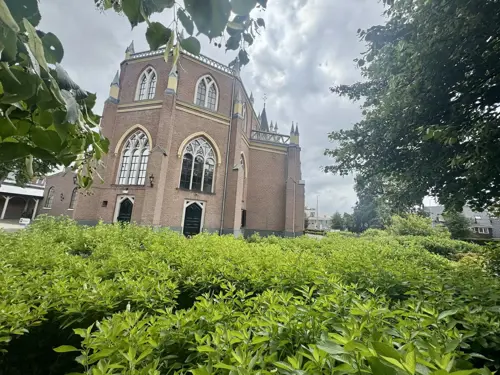




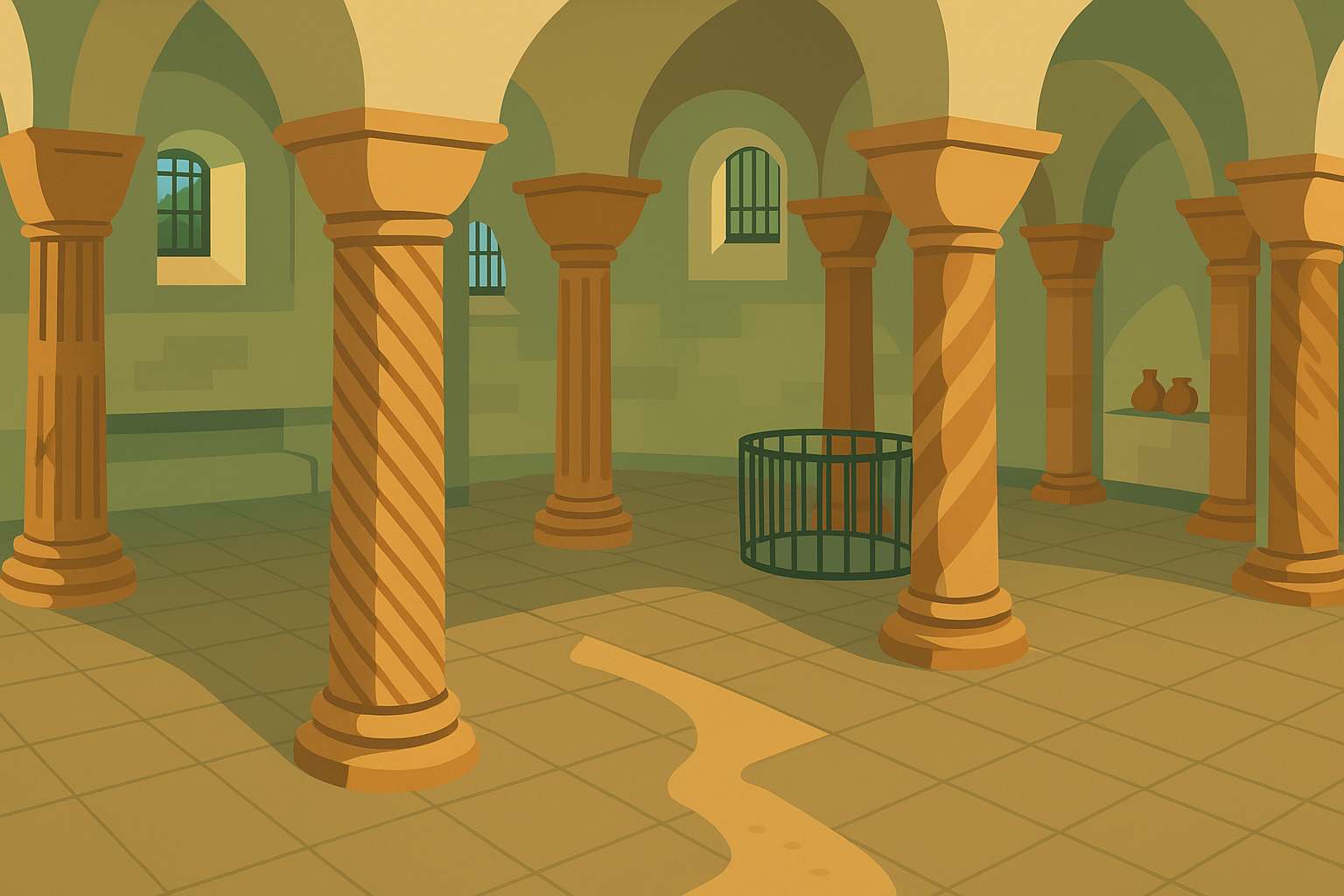








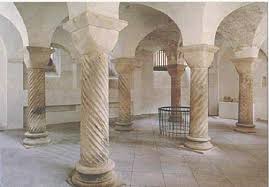
The crypt is situated underneath the impressive Lebuïnuskerk in the heart of Deventer’s historic center. This low vaulted chamber, built from sturdy tuff stone, showcases characteristic Romanesque design elements such as rounded arches, thick walls, and six decorated sandstone columns. Among these columns, three feature grooves while the other three display a scaled pattern, each exhibiting intricate craftsmanship. Traces of wall paintings and remains of a medieval altar can be seen, along with niches framed by rounded arches. A special feature is the well that is connected to the nearby IJssel river. When the river is high, this place is flooded!. The Lebuïnuskerk today is known both for its tall Gothic nave and this oldest preserved section, the crypt, which dates back to the early 11th century. Although much of the original Romanesque church was lost during later renovations, the crypt remains as a key link to its earliest phase.
Archaeological and Historical Findings
Dating from around 1040, the crypt is among Deventer’s oldest surviving structures. It was part of a former Romanesque basilica dedicated to St. Lebuinus, a missionary integral to the city's founding. The crypt’s construction materials reveal much about period building techniques: rough tuff stones compose most of the walls, while the six columns are crafted from softer sandstone, their detailed ornamentation offering insight into 11th-century ecclesiastical artistry. The crypt was probably intended for burial or commemoration of important individuals, although no direct burial evidence remains. It is confirmed, however, that the space housed and honored relics, small remains of saints, attracting pilgrims in medieval times. A stone sarcophagus once stood here but has since been moved to the church’s rear. Fragmentary medieval wall paintings and modest architectural alterations trace various phases of change, yet the basic structure remains intact. The well offers a rare physical link to the IJssel river’s wetlands, perhaps serving ritual or practical functions. Architectural features such as the rounded niches and heavy vaulting provide vital clues for historians piecing together the early Romanesque church now obscured beneath the later Gothic construction.
Accessibility and Visitor Information
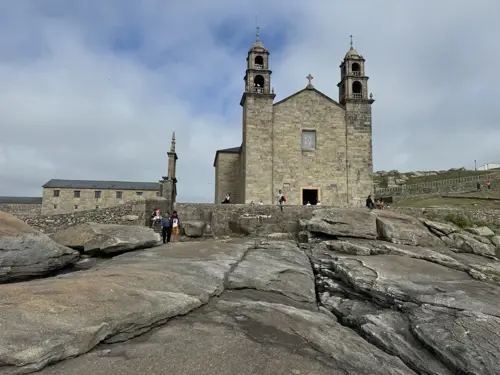
Visitors enter the Lebuïnuskerk through the main doorway at Grote Kerkhof. The crypt is located inside the church and is reached by a short internal stairway. Entry to the church building itself is free of charge. As of the latest information, the church and crypt are free to visit without admission costs.