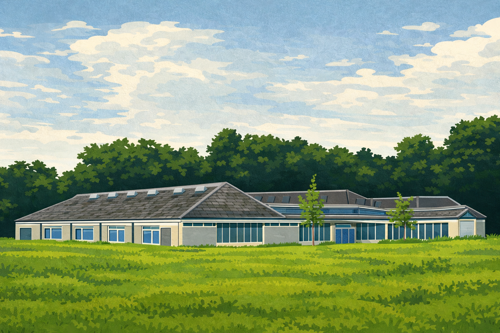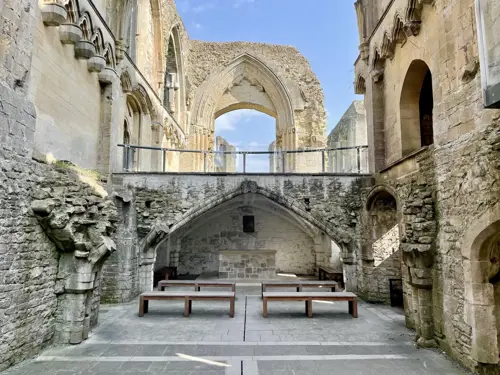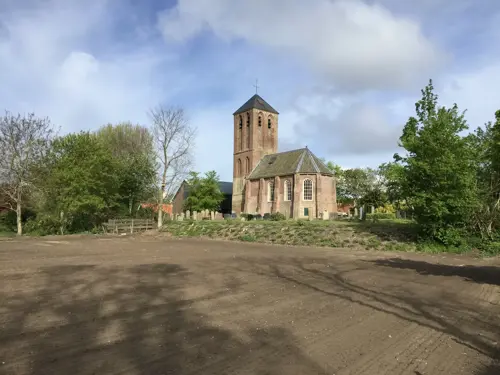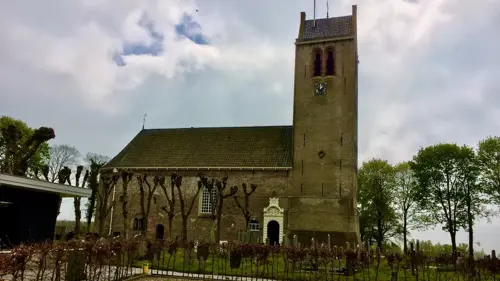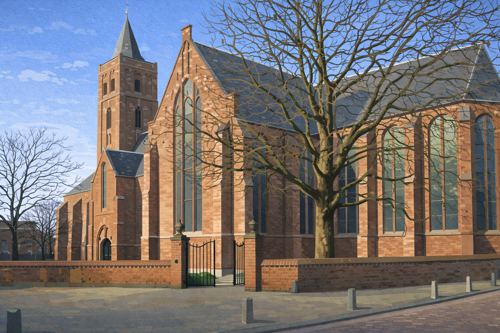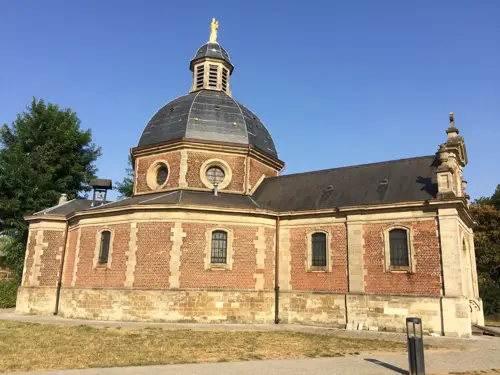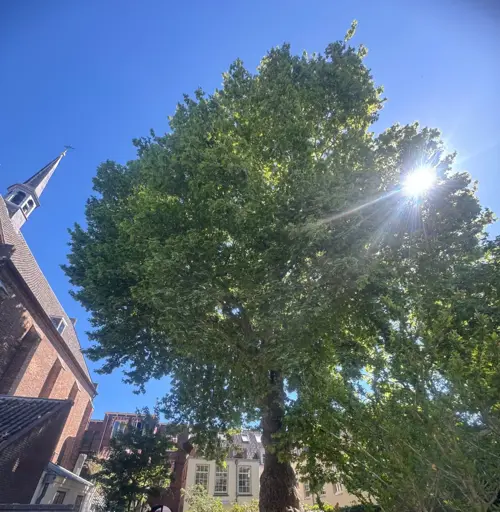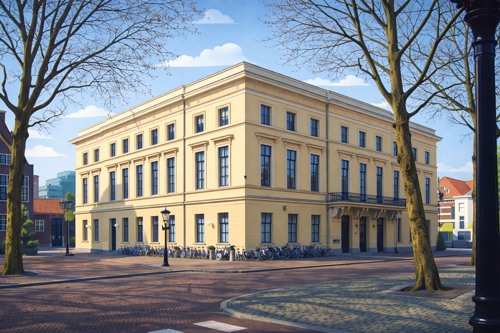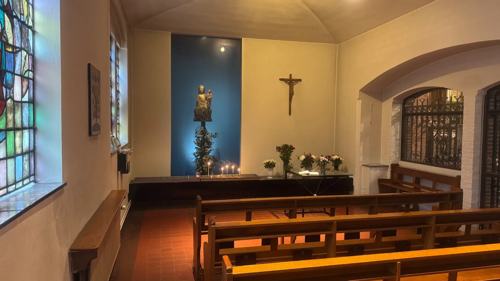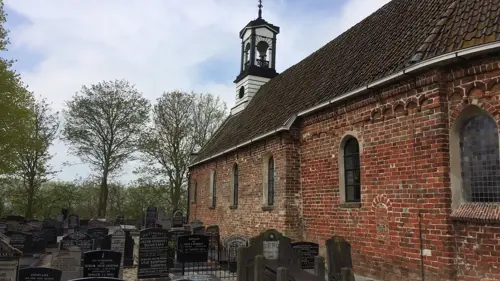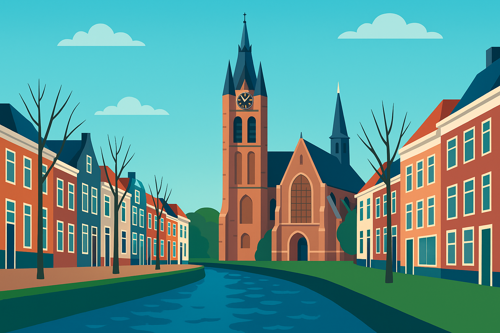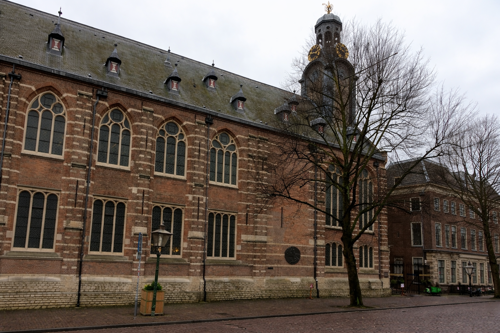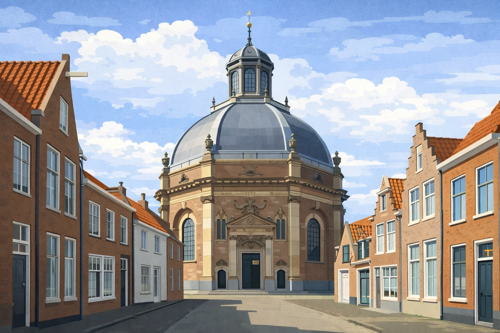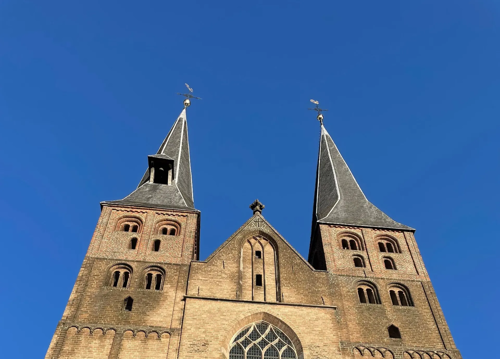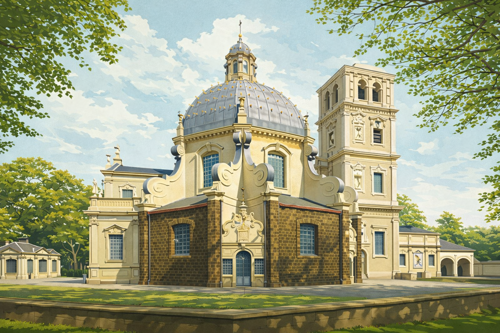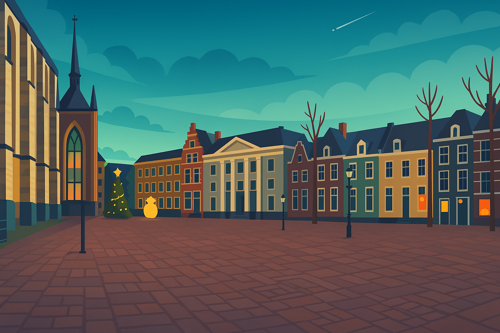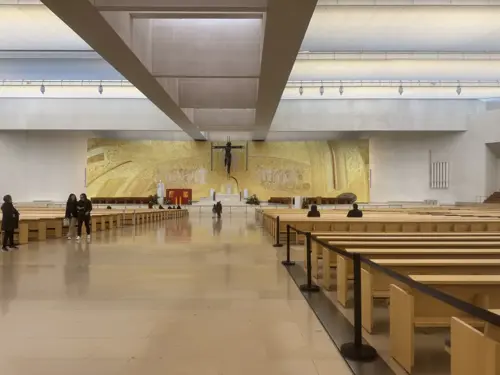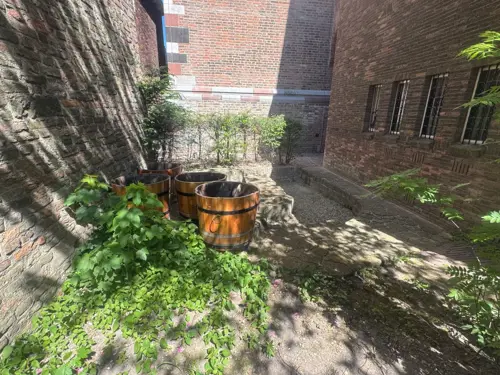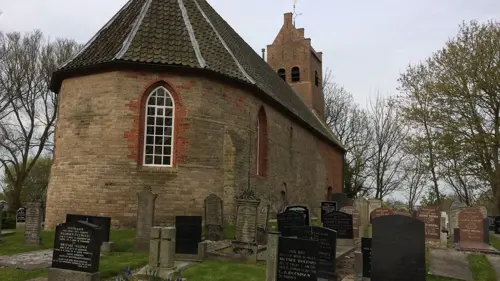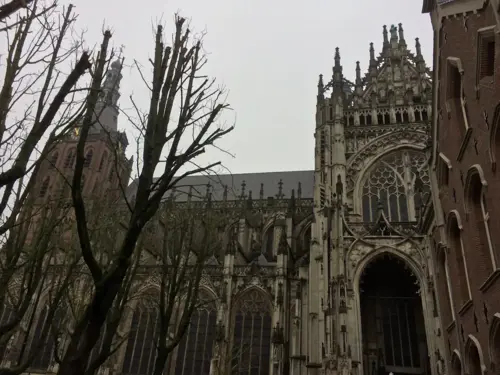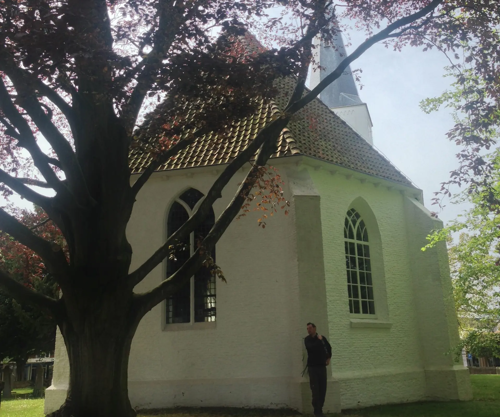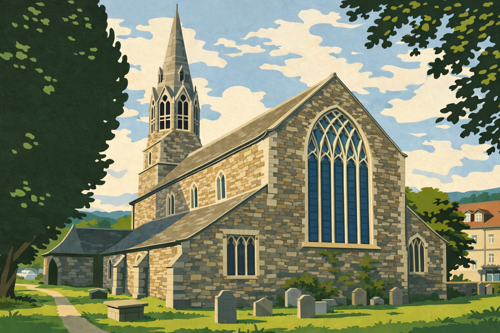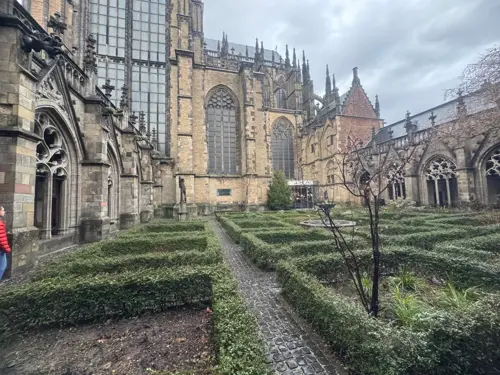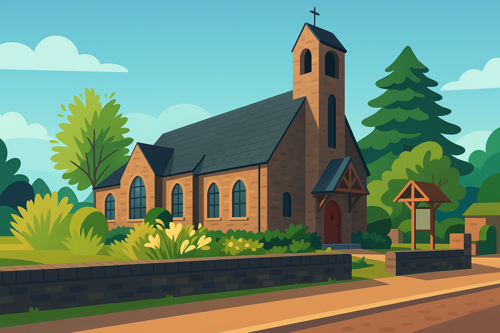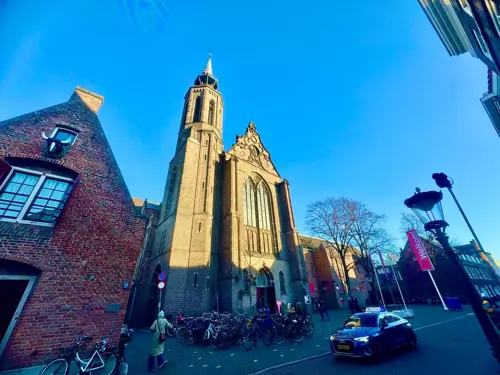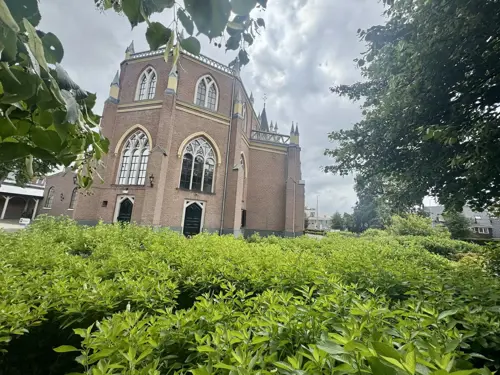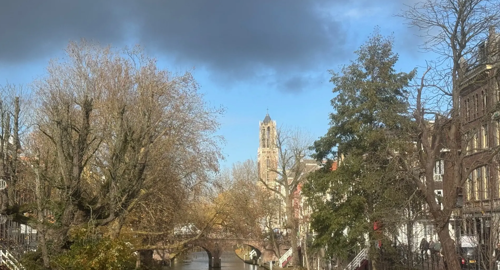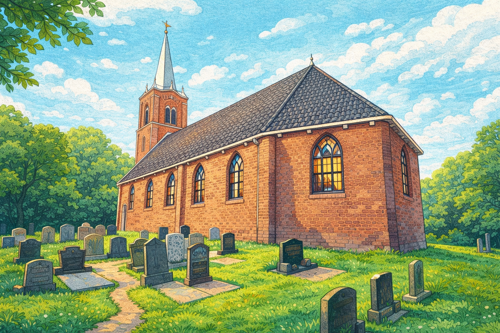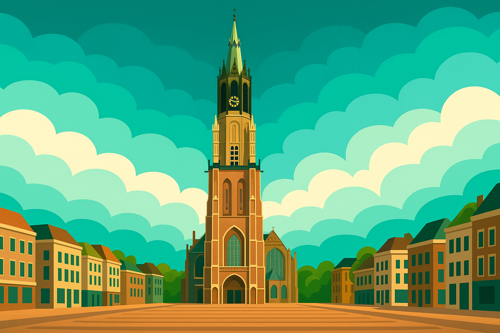












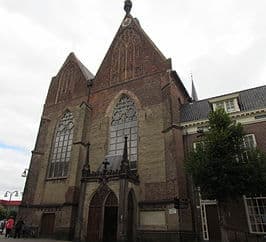
Broederenkerk is one of many of Deventer’s prominent historical landmarks, located just a short walk from busy streets yet maintaining an aura shaped by centuries of spiritual significance. The church’s architecture showcases a blend of 14th-century Gothic design with 19th-century neo-Gothic renovations, visible in its pointed arches, tall columns, and carefully restored interiors. Its understated but graceful exterior and central position make it a notable part of Deventer’s medieval urban landscape, alongside other historic sites such as the Grote Kerk (Lebuinuskerk).
Archaeological and Historical Findings
Construction of Broederenkerk began between 1335 and 1338, originally serving as the convent church for the Dominican order known as the “Broederen” (Brothers), a name still associated with the building. Throughout its history, the church shifted from Catholic to Protestant use during the Reformation, resulting in the removal of many original decorative elements and religious objects. From 1579 to 1799, it functioned as a Protestant church before being returned to the Catholic community, which prompted restoration efforts. The 19th-century refurbishments introduced neo-Gothic features such as new stained glass windows and elaborate altars. Despite various modifications, the church retains essential medieval characteristics, including thick stone walls, a soaring nave, and pointed Gothic windows. These successive changes reflect the evolving religious and cultural context of Deventer over the centuries.
Accessibility and Visitor Information
Broederenkerk is situated on Broederenstraat in central Deventer, making it easily reachable from nearby streets and main squares within the old town. Visitors enter directly from Broederenstraat without encountering slopes or steps, as the terrain is level and paved, ensuring convenient access for all, including those with mobility challenges. Entry is free. Please check the opening hours before you organize your visit.