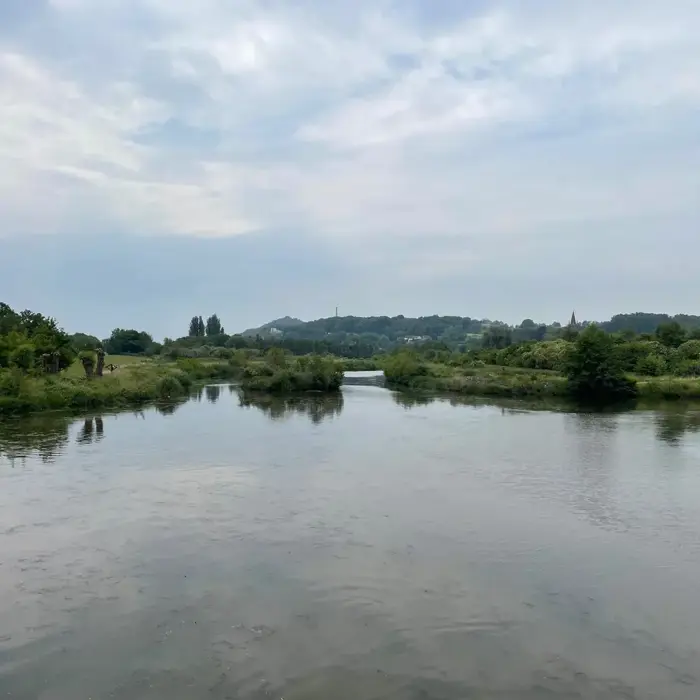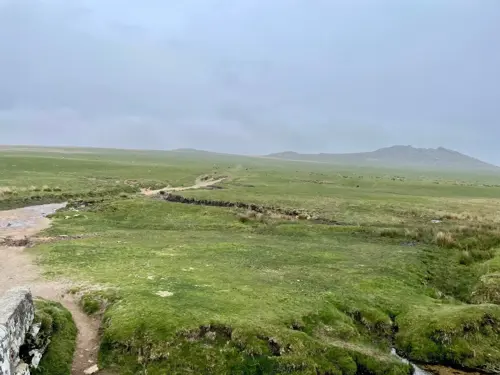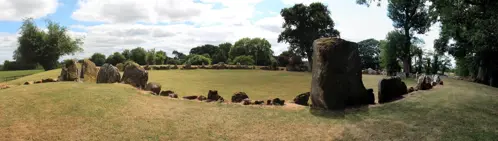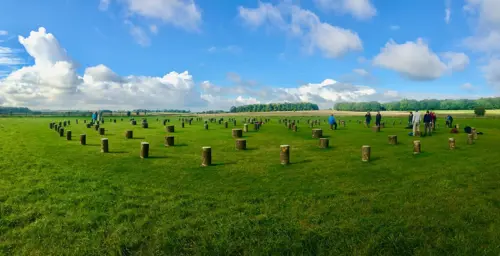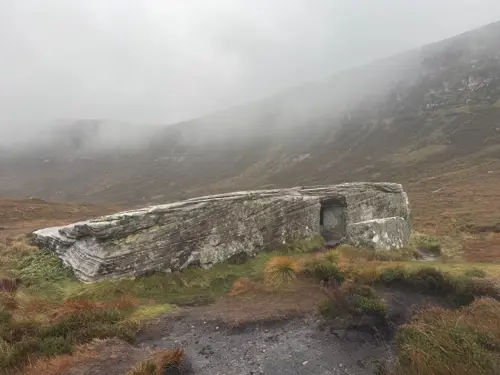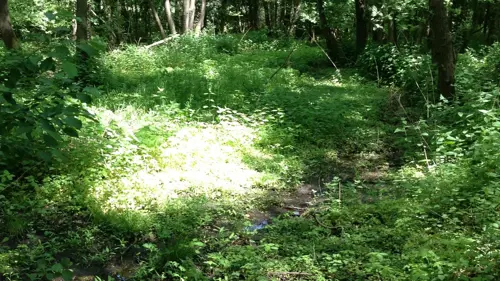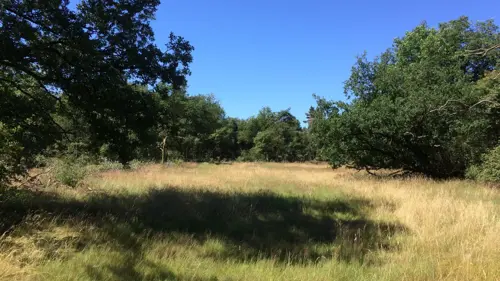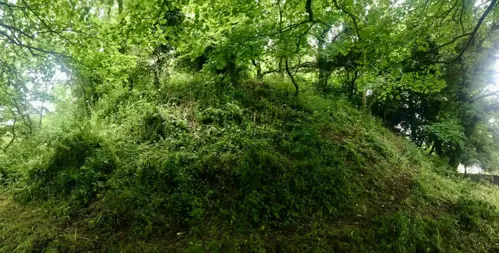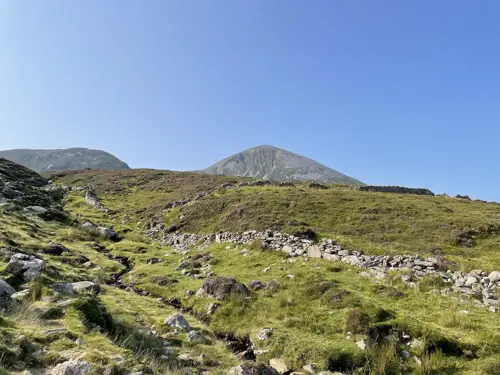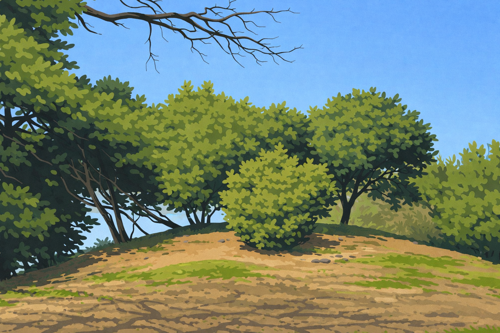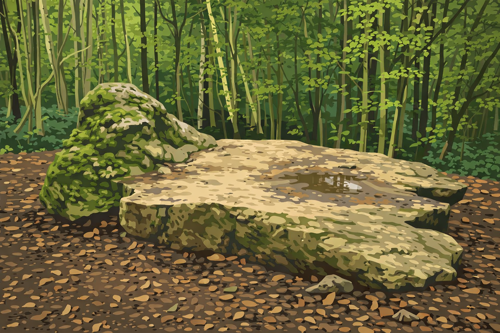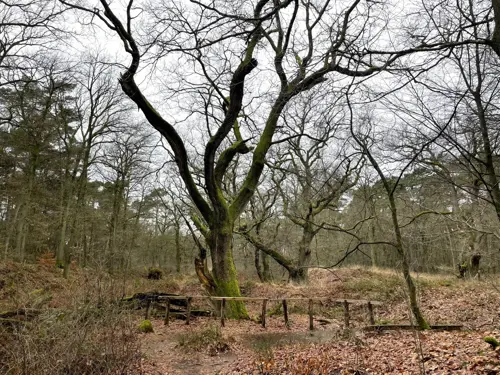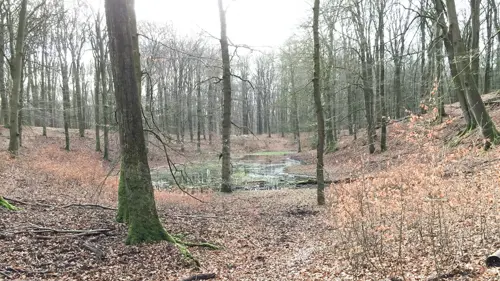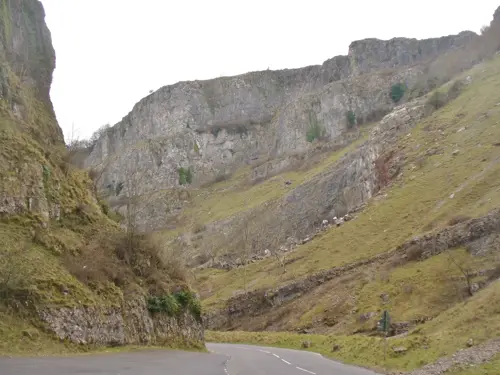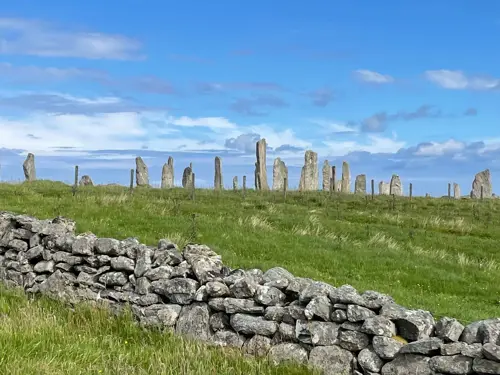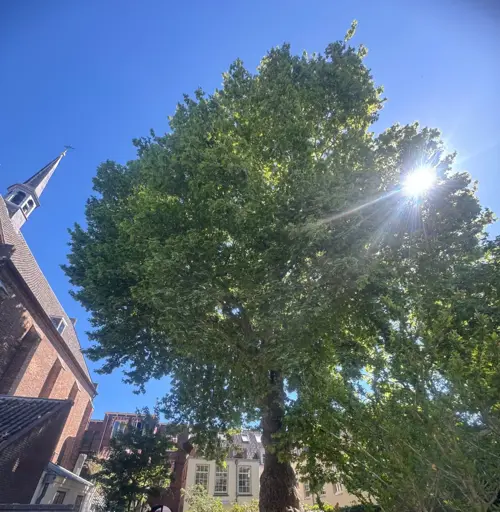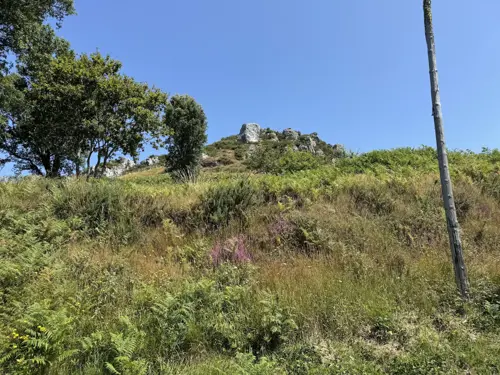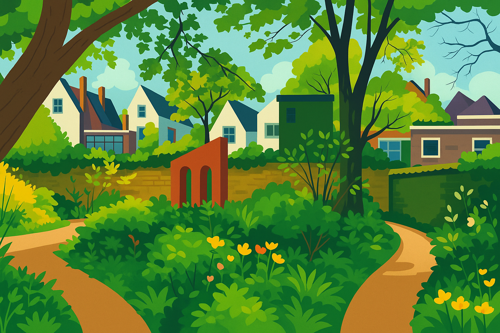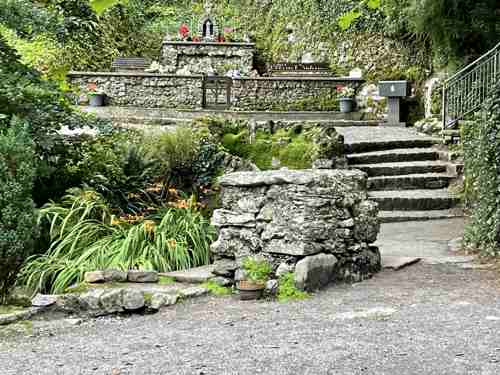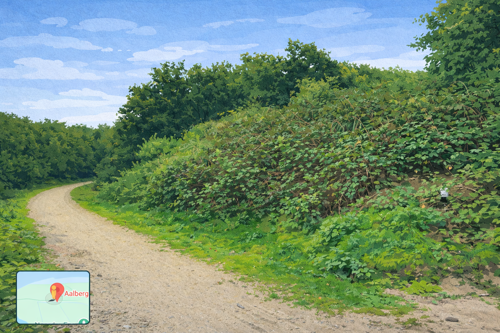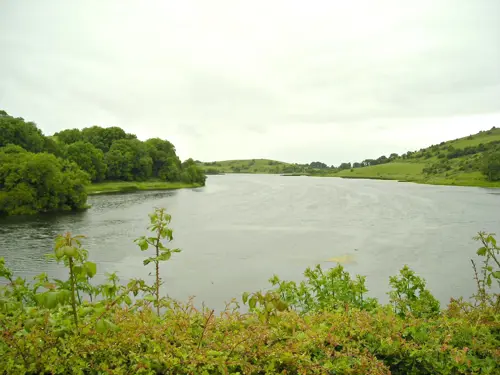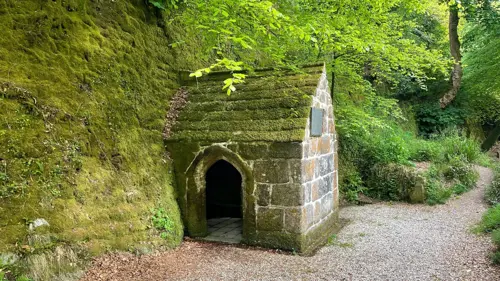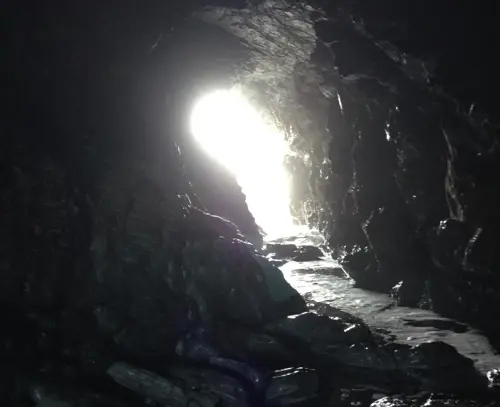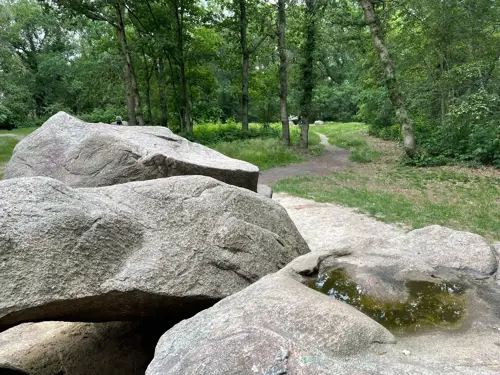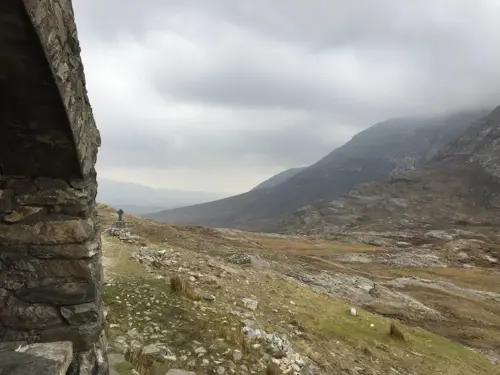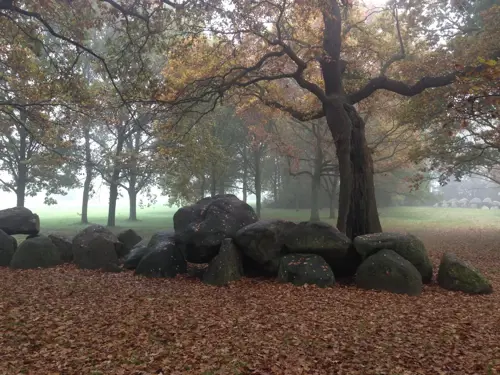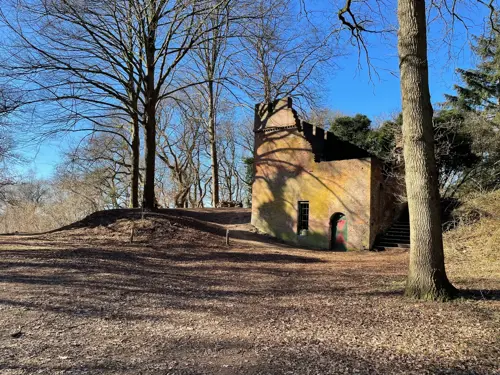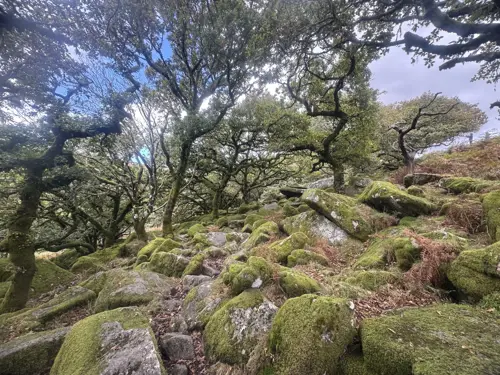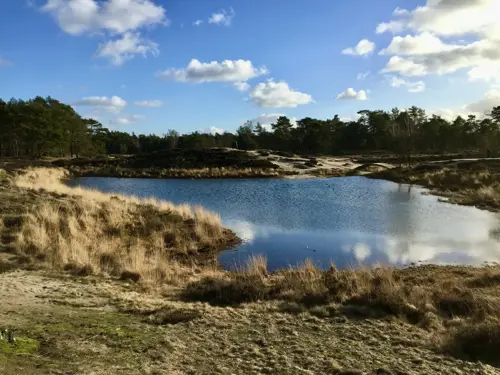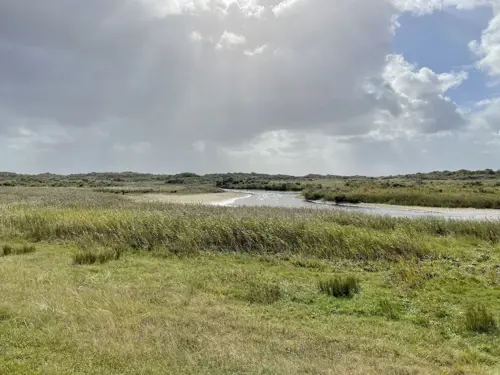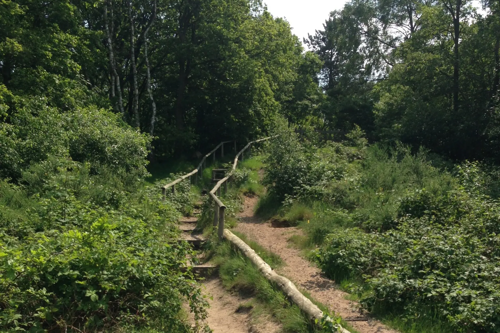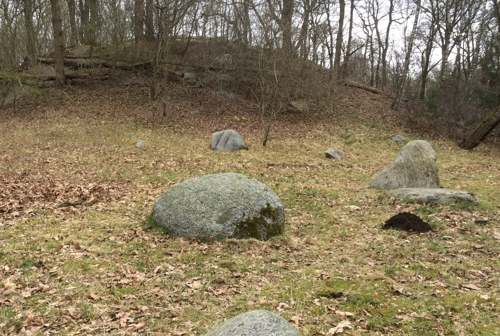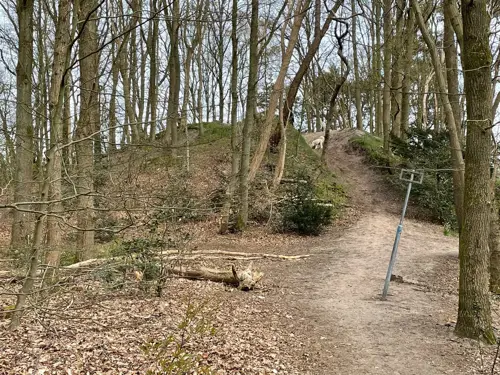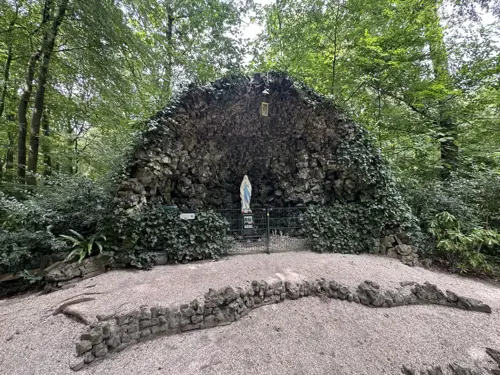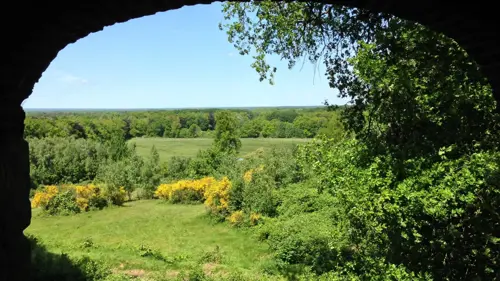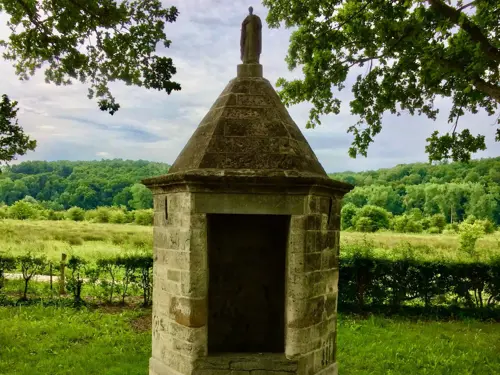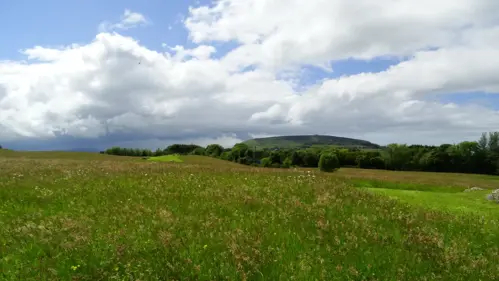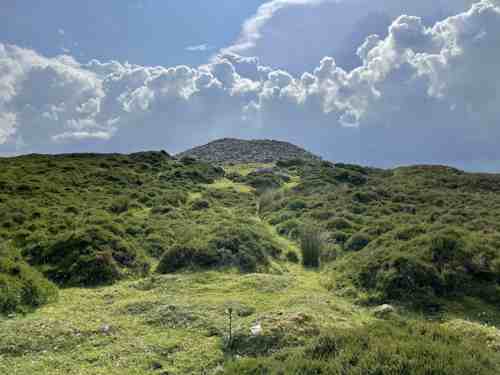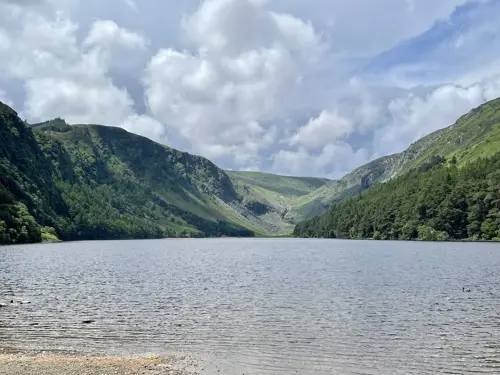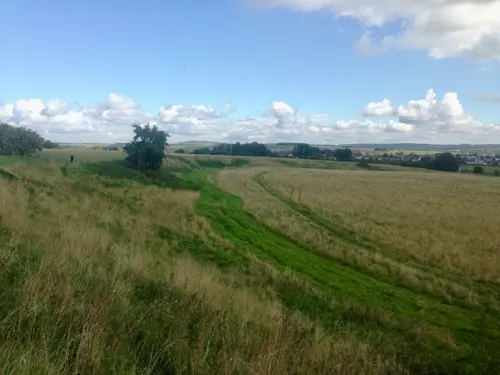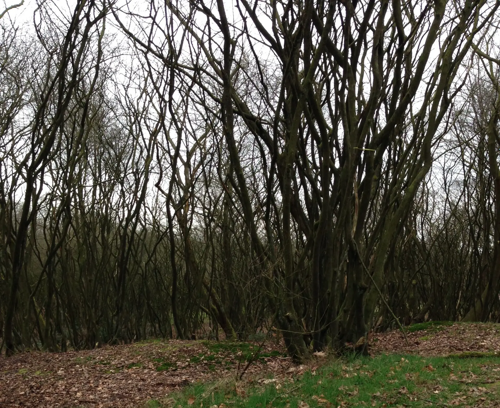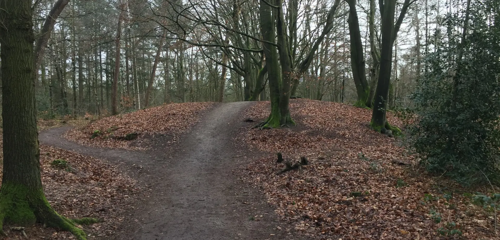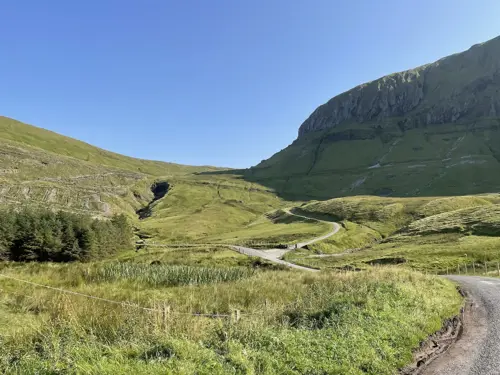




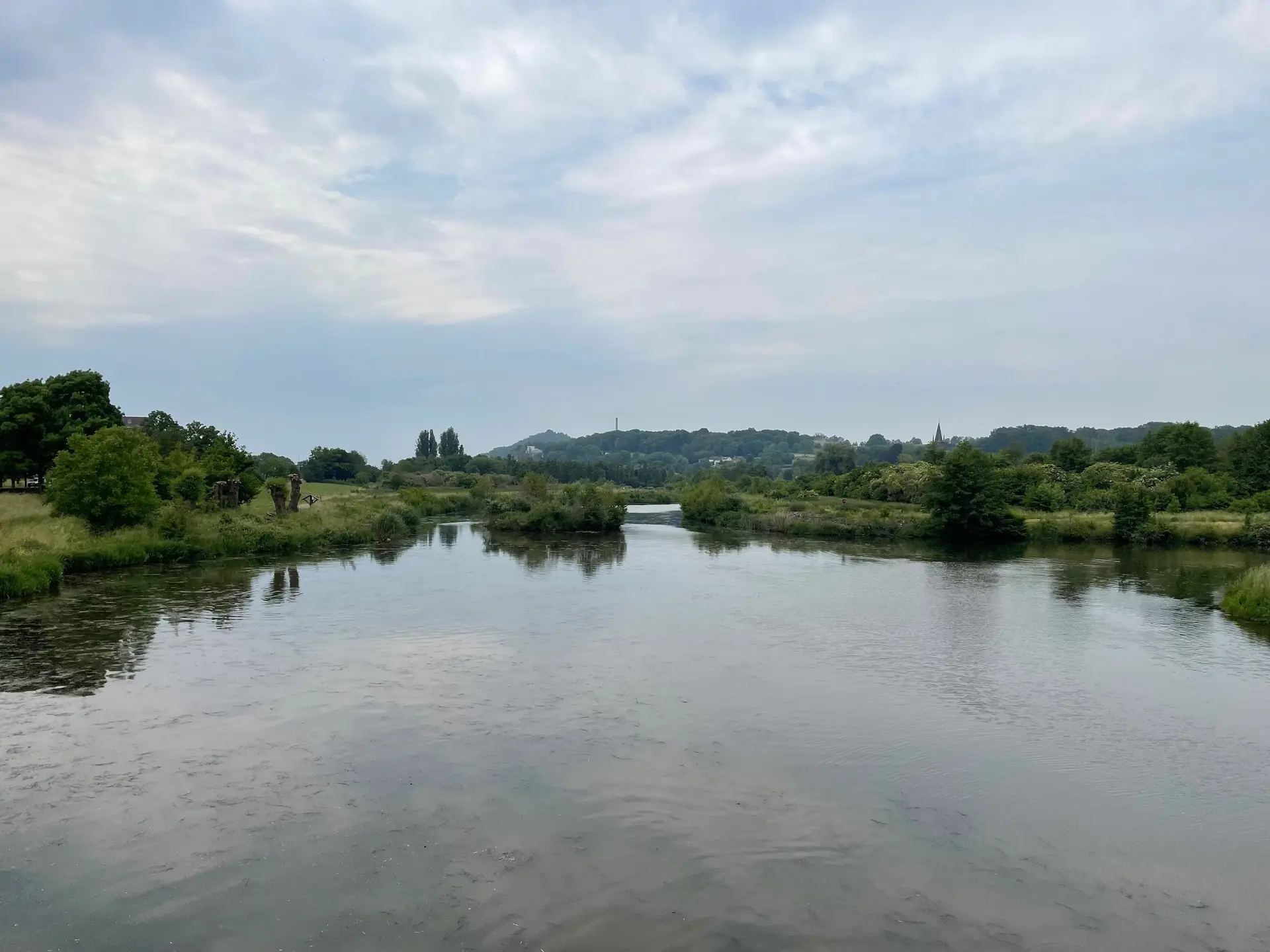








This woodland, characterized by its steep slopes, lies along the valley of the Maas River, situated between the villages of Bunde and Elsloo. The terrain is notably hilly compared to much of the country, with dense forest covering the valley’s sides. The Geulle and Bunde Forests are part of a wider forest network that includes the nearby Elslooërbos. The forest floor bursts with wildflowers in spring and provides a habitat for uncommon species such as the fire salamander and the Spanish Flag moth. Its diverse aquatic and terrestrial ecosystems attract nature enthusiasts and hikers alike. Surrounding this forest are other heritage-rich landscapes and hill forests typical of Zuid-Limburg’s picturesque countryside.
Archaeological and Historical Findings
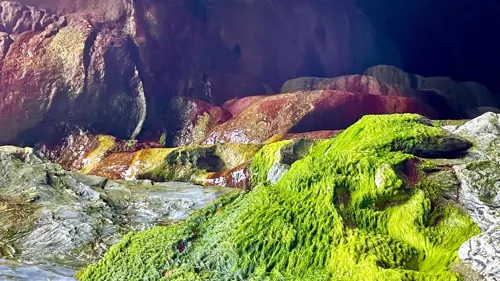
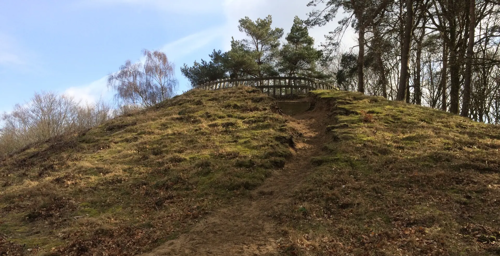
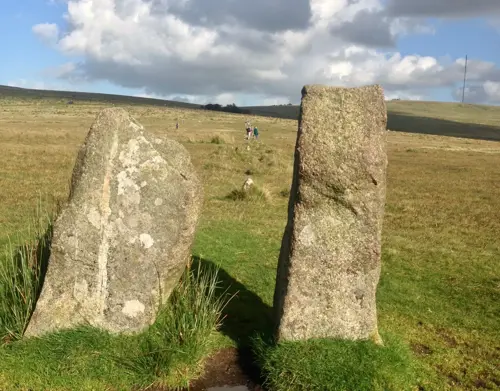
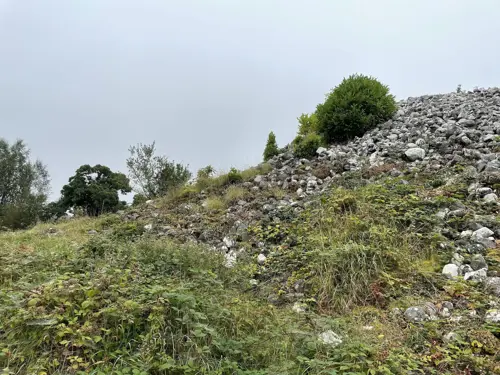
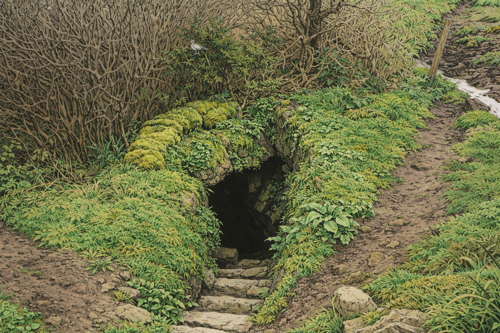
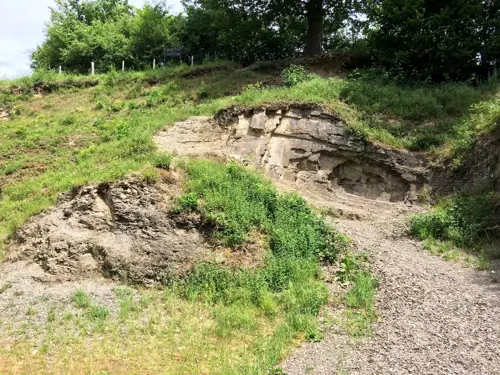
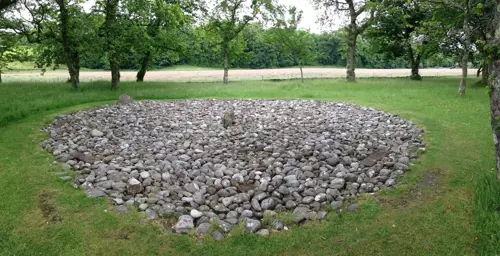
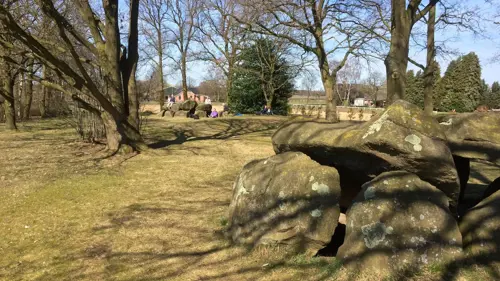
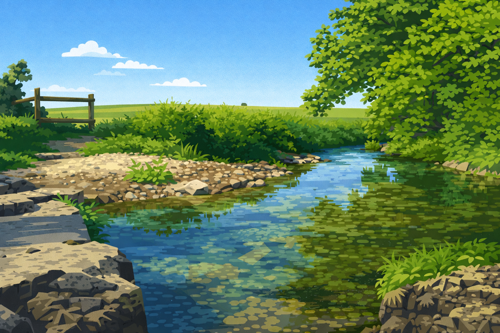
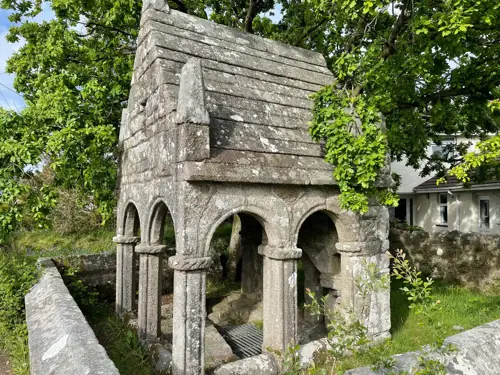
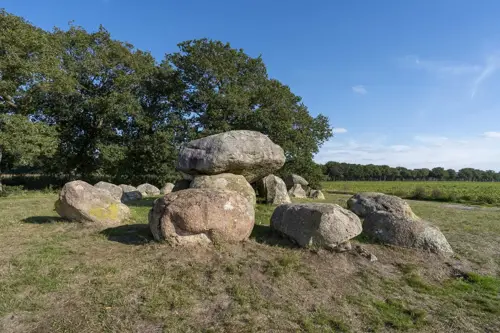
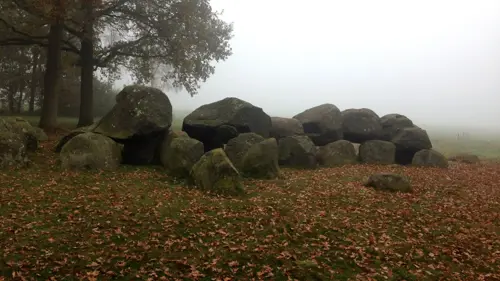
Studies indicate that the Geulle and Bunde Forests are located at the geological junction where the rolling hills of the Heuvelland meet the Maas valley floor. This varied landscape reflects a long history of human interaction, shown in an intricate network of ancient pathways and remnants of past land management, including terraces and old water control structures developed by local inhabitants. While there are no standing monuments or large archaeological remains within the forest itself, the abundant natural springs have historically influenced settlement and land use patterns. Historical records confirm the sustained use of these water sources for farming and daily living since medieval times. The presence of chalky soils and deposits of tufa characterize the geology here, enhancing the quality and biodiversity of the springs.
Accessibility and Visitor Information
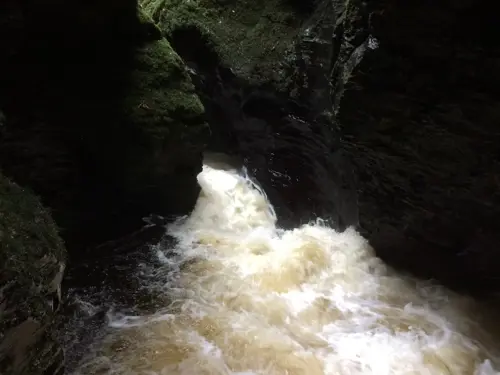
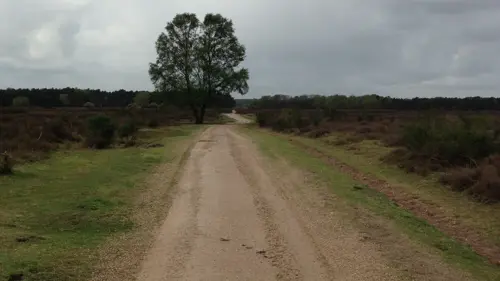
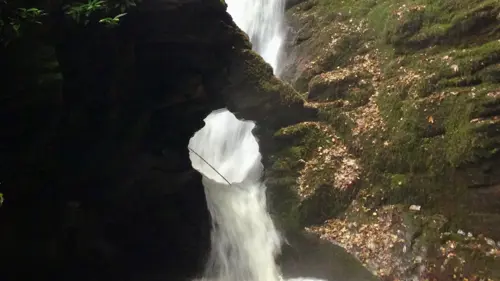
Entrances to the Geulle and Bunde Forests are accessible via marked forest edges near Bunde or Elsloo. From these starting points, visitors can follow unpaved trails through the woods to visit main natural landmarks such as springs and streams. Depending on the chosen path, walking distances typically range from 0.5 to 2 kilometers. The landscape features hills with some steep sections and uneven terrain caused by natural erosion and exposed tree roots. Paths may be slippery or muddy in wet weather. While most trails are suitable for regular hikers, they might present challenges for those with limited mobility. Access to the forest is free of charge.