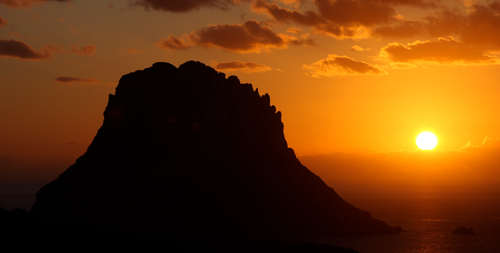
Mount Errigal stands out with its sharp pyramidal form and shimmering quartzite slopes shaped by ancient glaciers.
Head for the ridge and discover how far the view can stretch.
Part of a designated Natural Heritage Area (Derryveagh Mountains)
Era:
Paleozoic Era, approximately 400 million years old
(Sacred) mountain - where heaven and earth meet
The accessibility of this location is good (green) or somewhat limited (red)
Is the location still in good condition, or has it deteriorated due to the passage of time.
Is the location very atmospheric (red), neutral (orange), or rather raw and cold (green).
View map
Switch between map view and image view to choose how you want to explore the locations.
2
Mount Errigal
Mount Errigal is the highest mountain in County Donegal, rising to 751 metres above sea level and forming part of the Derryveagh Mountains in the northwest of Ireland. Its distinctive pyramidal shape and pale quartzite surface make it one of the most recognisable peaks in the region. Depending on light and weather conditions, the mountain can appear to shift in colour, from soft grey to pink or golden tones. The surrounding landscape includes glacial valleys, lakes such as Dunlewy Lough, and nearby peaks like Mackoght and Aghla More. The mountain dominates the skyline and is a key natural landmark within Glenveagh National Park’s wider setting.
Continue reading — for members
Archaeological and historical findings
Legends, folklore and myths
Accessibility and visitor information
Area guides
Read the full story of Mount Errigal
Get access to the full story, practical information and deeper experiences.
Discover all exclusive locations and in-depth content from Gofinestera.
Brotherhood Church - Broederenkerk
Broederenkerk bridges 700 years, from its Dominican foundation to its neo-Gothic revival.
Cross the threshold and let the centuries unfold around you.
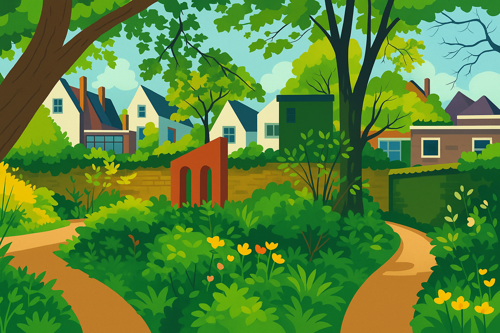
Deventer Monastery Garden
The 'kloostertuin' blends medieval monastic 'roots' with blossoming flower beds and shady trees.
Follow the paths, explore the old cloister foundations, and imagine the monks and residents who shaped this space.
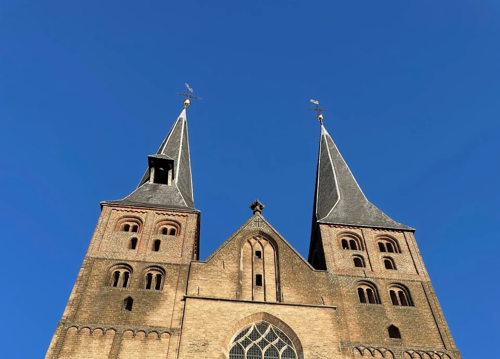
Mountain Church - Bergkerk
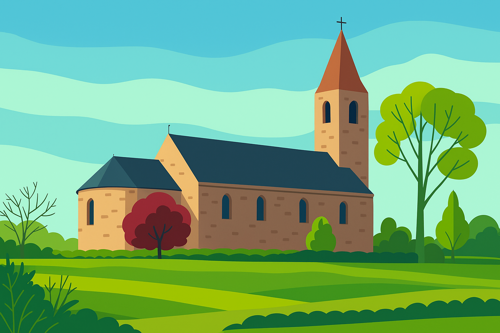
From medieval monks to modern artists, its Romanesque walls have seen it all.
Follow the cobbled path uphill and find a church that never stopped reinventing itself.
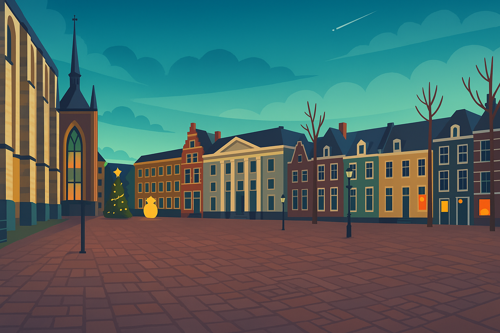
Former Cult Site Grote Kerkhof
The Grote Kerkhof blends medieval graves, Romanesque foundations, and Gothic elegance into a living city space.
Explore the square, pause by the church, and feel the layers of history all around you. And... Go on a puzzle hunt...
The Crypt of the Lebuinus Church
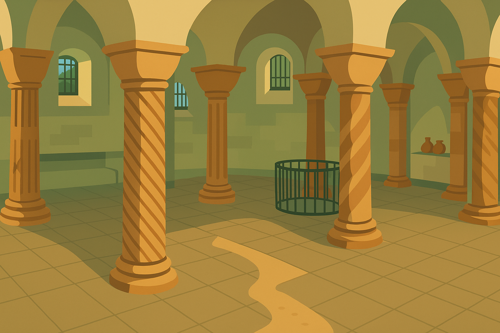
Under the Lebuïnuskerk’s Gothic vaults hides a Romanesque gem: ancient tuff walls, six carved pillars, and a well that nods to the IJssel.
This place draws you in!
Michaëlskerk Oosterland
Michaëlskerk still keeps watch from its terp, stone walls steady against the Wieringen wind.
Walk up the mound and see how the Dutch mastered high ground living!
Chapel of Mary of Jesse
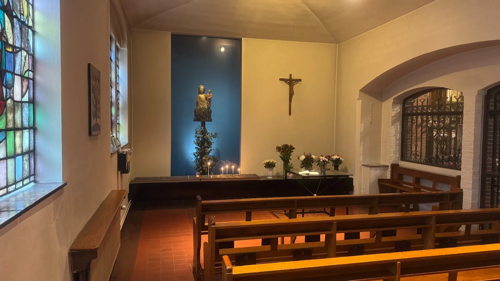
Kapel Maria van Jesse keeps it simple: soft light, stone curves, steady calm.
Take a seat, reset, and let the city slow down around you!
Dolmens D19 and D20
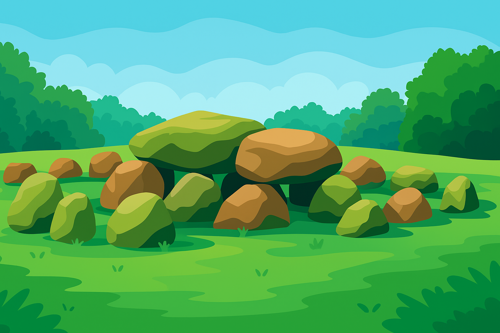
D19 and D20 stretch across a grassy rise near Drouwen, showing off massive Ice Age boulders arranged with striking precision.
Walk between them, feel their power, and enjoy these impressive prehistoric spots!
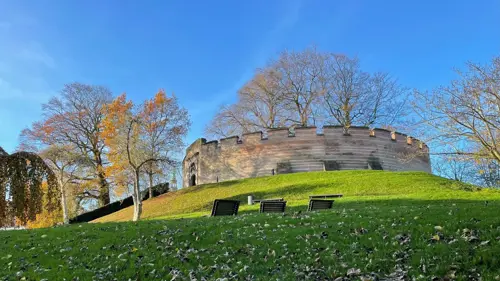
Leiden Castle
What was once built for battle now welcomes picnics and afternoon sun.
Perfect for a quick climb, enjoy a view or a quiet break!
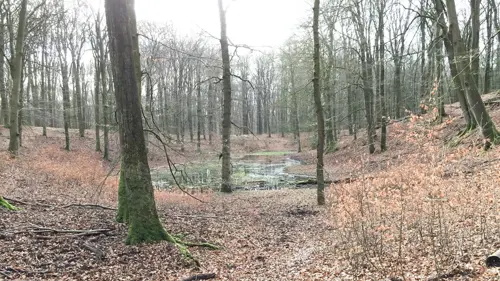
Solsche Gat
Solsche Gat’s sandy hollow and surrounding burial mounds reveal a mix of folklore and Bronze Age history.
Follow the path and see where geology meets folklore!