Built as a Neolithic burial mound, later reused as a Roman shrine to Venus, and finally folded into a WWII bunker network, the Petit Mont has never stopped being important.
Step inside and follow its story from prehistory to the 20th century.
Classified Historical Monument (Classé Monument historique); National Heritage Site (Monument d'Intérêt national); part of the Megalithic Sites of the Gulf of Morbihan UNESCO World Heritage ensemble.
Era:
Middle to Late Neolithic, approximately 4600–2600 BCE (circa 4,600–6,600 years old)
Legenda Description
The accessibility of this location is good (green) or somewhat limited (red)
Is the location still in good condition, or has it deteriorated due to the passage of time.
View map
Switch between map view and image view to choose how you want to explore the locations.
2
Cairn de Petit Mont
Rising 36 metres above sea level, the monument owns its spot on a coastal promontory right at the entrance to the Gulf of Morbihan. It's an imposing dry-stone mound, roughly 60 metres long, 46 metres wide and up to 6 metres high, built from an estimated 10,000 cubic metres of stone. From its terraces, you get views across Quiberon Bay to the islands of Houat, Hoëdic and Belle-Île-en-Mer. The surrounding coastline is rich in prehistoric heritage, with the Tumulus de Tumiac on the Rhuys Peninsula and the celebrated passage tombs of Gavrinis.
Continue reading — for members
Archaeological and historical findings
Legends, folklore and myths
Accessibility and visitor information
Area guides
Read the full story of Cairn de Petit Mont
Get access to the full story, practical information and deeper experiences.
Discover all exclusive locations and in-depth content from Gofinestera.
Brotherhood Church - Broederenkerk
Broederenkerk bridges 700 years, from its Dominican foundation to its neo-Gothic revival.
Cross the threshold and let the centuries unfold around you.
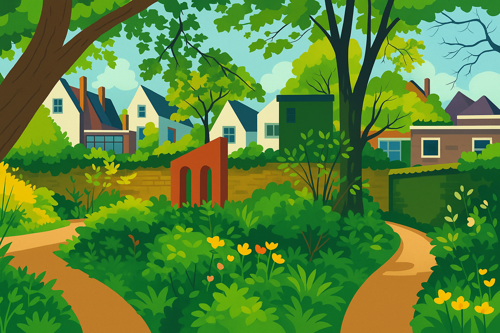
Deventer Monastery Garden
The 'kloostertuin' blends medieval monastic 'roots' with blossoming flower beds and shady trees.
Follow the paths, explore the old cloister foundations, and imagine the monks and residents who shaped this space.
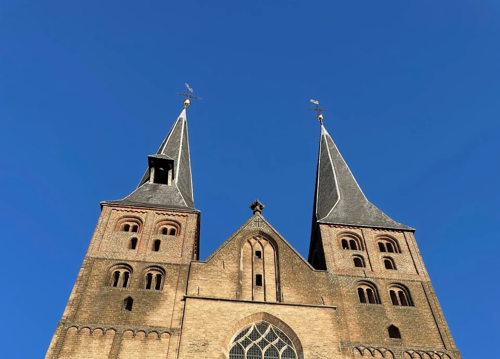
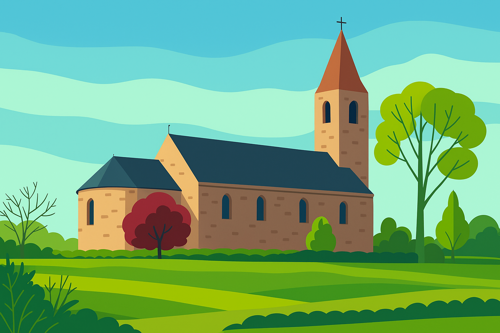
Mountain Church - Bergkerk
From medieval monks to modern artists, its Romanesque walls have seen it all.
Follow the cobbled path uphill and find a church that never stopped reinventing itself.
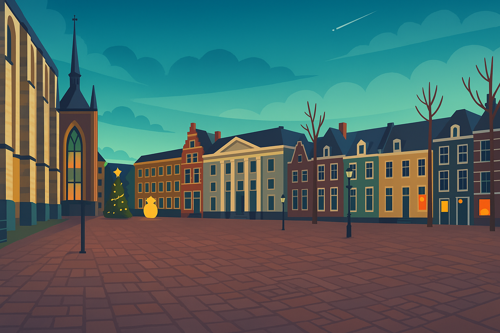
Former Cult Site Grote Kerkhof
The Grote Kerkhof blends medieval graves, Romanesque foundations, and Gothic elegance into a living city space.
Explore the square, pause by the church, and feel the layers of history all around you. And... Go on a puzzle hunt...
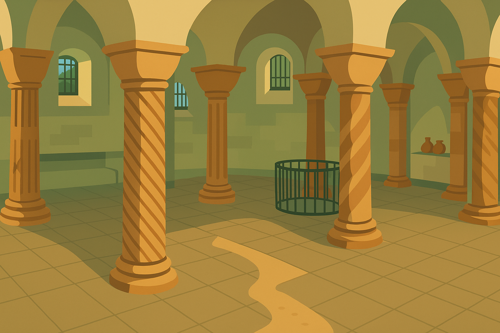
The Crypt of the Lebuinus Church
Under the Lebuïnuskerk’s Gothic vaults hides a Romanesque gem: ancient tuff walls, six carved pillars, and a well that nods to the IJssel.
This place draws you in!
Tankenberg
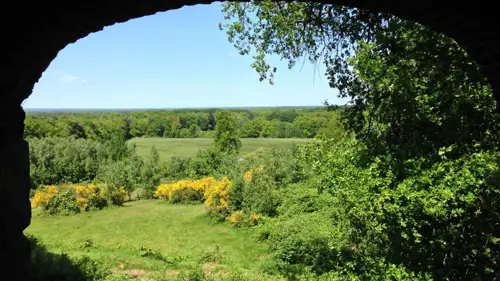
The trail to the top of the Tankenberg takes you through ancient forests steeped in myths of goddesses and phantom creatures.
Enjoy the journey to the top, breathe in the amazing views, and let your imagination do the rest.
Michaëlskerk Oosterland
Michaëlskerk still keeps watch from its terp, stone walls steady against the Wieringen wind.
Walk up the mound and see how the Dutch mastered high ground living!
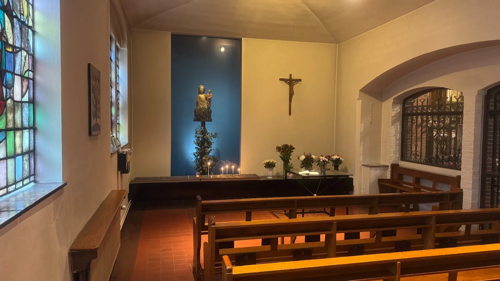
Chapel of Mary of Jesse
Kapel Maria van Jesse keeps it simple: soft light, stone curves, steady calm.
Take a seat, reset, and let the city slow down around you!
Dolmens D19 and D20
D19 and D20 stretch across a grassy rise near Drouwen, showing off massive Ice Age boulders arranged with striking precision.
Walk between them, feel their power, and enjoy these impressive prehistoric spots!
Leiden Castle
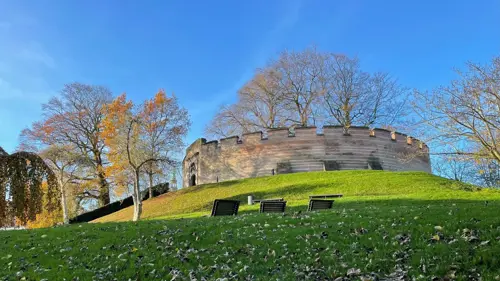
What was once built for battle now welcomes picnics and afternoon sun.
Perfect for a quick climb, enjoy a view or a quiet break!